Virtual Reality Previews of Top Destinations
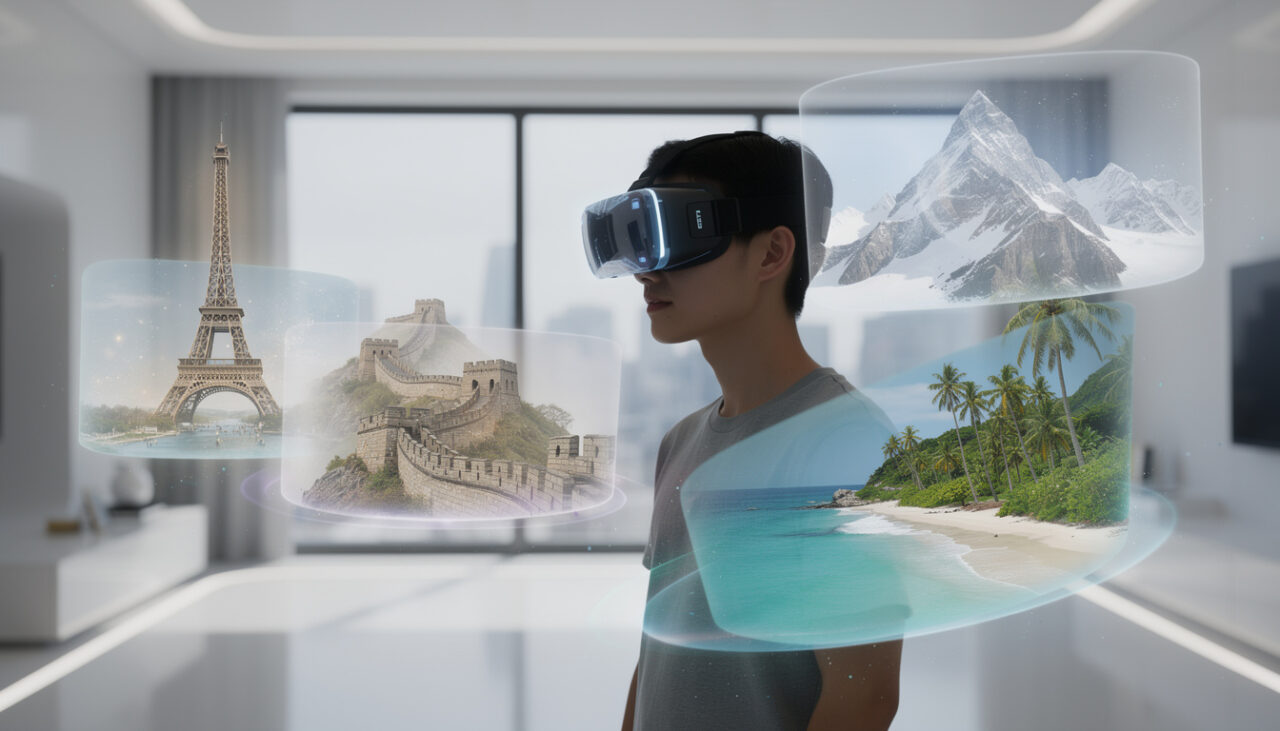
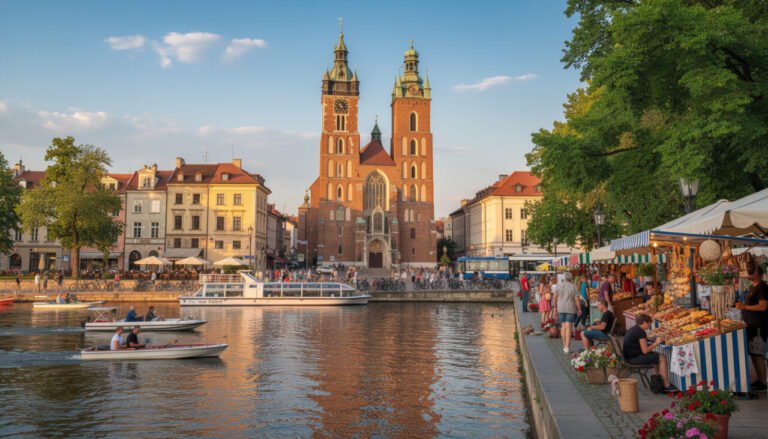
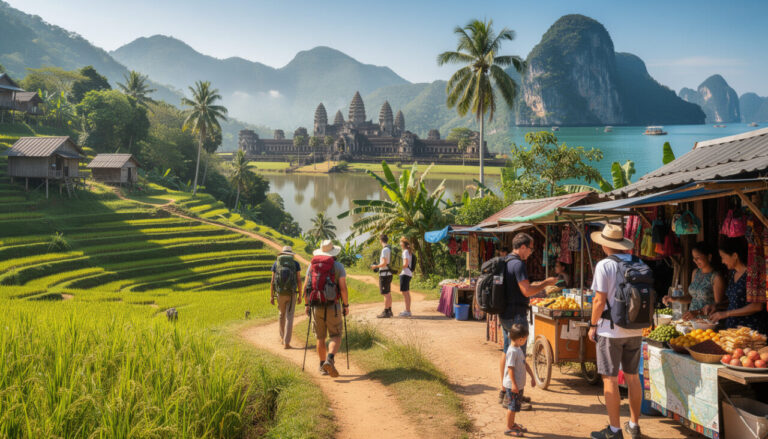
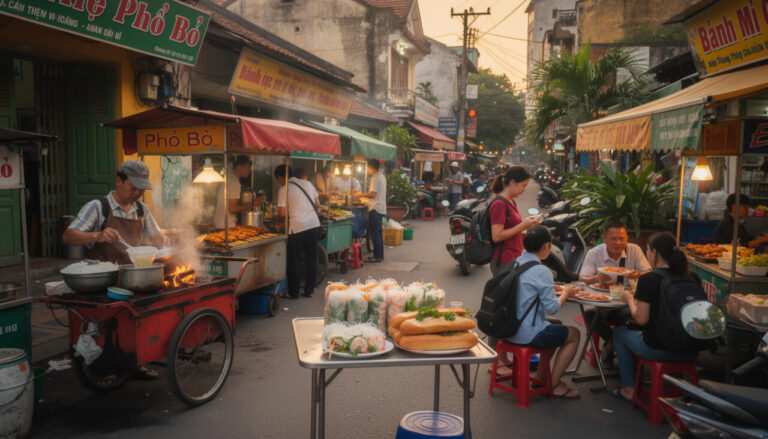
Virtual Reality previews of top destinations are quietly reshaping how people dream, plan, and even remember their journeys. Instead of scrolling through flat photos and polished brochures, travelers slip on a headset, step inside Virtual Tours, and walk through hotel lobbies, float above coral reefs, or stand in the middle of Shibuya Crossing at rush hour. This new wave of Travel Technology doesn’t replace the rush of a real departure board or the scent of sea salt on the wind, yet it gives travelers something powerful: confidence, clarity, and a taste of that longed‑for escape long before the suitcase is zipped. From bucket‑list locations like the Maldives and Antarctica to national parks and sacred temples, VR Travel unlocks a deeply Immersive Experience that blurs the line between dreaming and deciding, and turns “maybe, one day” into “yes, this one.”
Key points about Virtual Reality previews of top destinations
- 🧭 Virtual Reality Travel Previews let travelers “test‑drive” Top Destinations with lifelike Degree Views of hotels, cities, and landscapes before committing money and vacation time.
- 🏝️ Virtual Vacation experiences bring far‑flung places like the Maldives or Antarctica into the living room, helping people decide where to go or simply escape their routine.
- 🏨 Travel brands now use Virtual Tours for hotel rooms, wellness retreats, and excursions, giving guests honest expectations and fewer booking regrets.
- 🌍 Destination Exploration via apps like FLY, BRINK Traveler, and National Geographic’s VR expeditions mixes play, education, and wanderlust on one platform.
- 🌱 VR Travel can ease overtourism and carbon impact while opening doors for students and travelers with limited mobility, even as it raises new questions about human connection and local economies.
- 🚀 The article explores current apps, behind‑the‑scenes cultural stories, pros and cons, and a near‑future where Travel Previews become as normal as checking reviews.
Virtual Reality Travel Previews: From Daydream to Decision
Virtual Reality has slipped into the travel world like a quiet back‑door guest and quickly made itself indispensable. Instead of static images and vague marketing lines, travelers now stand at the edge of cliffside infinity pools, inspect room layouts, and stroll through historic squares in real time, all via Virtual Reality Travel Previews. The headset becomes a kind of teleportation device, transforming “research” into a sensory‑rich ritual that sets the tone for an entire trip.
Consider someone weighing a splurge on an overwater villa in the Maldives. A glossy brochure promises turquoise perfection, but questions linger: How private is the deck? Is the lagoon actually that blue? With a well‑produced VR Travel preview, those doubts dissolve. The viewer can step into the villa, swivel through full Degree Views, walk out to the edge of the deck, and even peek back toward neighboring villas. That honest, visceral preview saves plenty of second‑guessing—and sometimes redirects the choice to a quieter resort that feels like a better personal fit. ✅
Something similar happens with big‑ticket adventures. Antarctica has always sat on the far, shimmery edge of the bucket list, blocked by cost, logistics, and the sheer remoteness of the ice. Virtual Reality changes that equation. A traveler can now “land” on the frozen continent, stand in a colony of penguins, and feel the scale of the landscape through 360‑degree video. Maybe that experience becomes a satisfying Virtual Vacation on its own. Or it becomes the push someone needs to start saving in earnest because the emotional connection has already formed.
Behind these moments sits a wider shift in Travel Technology. The term Virtual Reality was popularized in the 1980s, but only in the last decade have headsets become lightweight and powerful enough for everyday homes and schools. With analysts projecting strong market growth over the next several years, VR headsets are beginning to feel as familiar as game consoles. Travel brands have noticed. Hotel groups, tour operators, even city tourism boards now treat Travel Previews as a new language: show, don’t just tell.
That language matters because attention is scarce. Travelers scroll fast, compare endlessly, and bounce between dozens of tabs. Virtual Reality breaks that pattern. The moment the headset slides on, distractions fall away. No notifications, no ads hovering around the edges—just the interior of a Balinese spa, the glow of Tokyo at night, or the hush of a red rock canyon. Those focused minutes of Destination Exploration create what traditional marketing rarely manages: a felt sense of place.
Behind the headset, many travelers follow a similar emotional arc. Curiosity draws them in: “What does this city really feel like?” Awe hits as unexpected details appear, from reflections in shop windows to the hum of local traffic. Finally, clarity arrives. A beachfront that looked perfect in 2D turns out to be crowded and narrow; a lesser‑known coastal town, glimpsed via Virtual Tours, suddenly feels like the right match. The beauty of VR Travel is that it respects the traveler’s intuition and gives it better raw material.
The early adopters in hospitality already see the payoff. Guests who use Virtual Reality previews tend to book faster, complain less, and arrive feeling confident instead of anxious. They know where the spa is, how big the gym feels, and which side of the property catches sunset light. That sense of pre‑familiarity turns the first day of a trip from a scavenger hunt into a gentle settling‑in. For stressed‑out workers, parents, or solo travelers, that’s gold.
The most telling sign that VR Travel Previews are here to stay is how quickly they sneak into everyday conversations. People don’t just say, “A friend recommended this hotel” anymore. They say, “Tried it in VR last night—looks perfect.” For travel lovers, that shift unlocks a new rhythm: dream with a headset, decide with a booking engine, and arrive with a head full of already‑lived fragments of the journey.
How Virtual Tours Change Trip Planning
Once travelers get a taste of truly Immersive Experience previews, the old way of planning starts to feel flat. Instead of juggling maps, slide shows, and text‑heavy reviews, they slip into a single Virtual Tour that ties everything together. Streets are walked, distances are felt, and hotel “vibes” are sensed rather than guessed.
A fictional example: Maya, a wellness‑obsessed professional in her thirties, wants a restorative week “somewhere warm with great sleep and zero party noise.” She shortlists three retreats. In one preview, she explores serene villas backed by jungle and notices meditation pavilions tucked away from the pool. In another, the resort looks sleek but the public areas feel echoey and crowded. The third? Gorgeous on Instagram, but the VR preview reveals its rooms face a busy road. Maya books the first option, not because the brochure screamed the loudest, but because the Virtual Reality experience quietly aligned with what her nervous system craves.
This is where VR feels less like a gadget and more like a tuning fork for deeply personal choices. The destination that “rings true” in Virtual Reality often turns out to be the one that nourishes travelers the most when they arrive.
Best Virtual Reality Travel Experiences and Apps for Destination Exploration
Once travelers understand what Virtual Reality previews can do, the next question comes fast: which experiences are actually worth their time? The VR landscape is crowded, but a handful of apps have carved out reputations for genuinely transporting Destination Exploration. They don’t just show places; they invite viewers to feel the rhythm, texture, and stories behind them.
One standout is FLY, a Google Earth flight simulator. Instead of passively watching a fly‑over video, users become a sort of human drone, swooping through canyons, circling skyscrapers, and threading narrow city streets. The app taps into the massive Google Earth database and layers it with a smooth, intuitive flight mechanic. That mix turns research into play: travelers zoom from their own neighborhood to potential Top Destinations, checking whether that “beachfront” property is actually beachfront and how remote that “secluded” cabin truly is. 🏙️✈️
For those craving narrative, National Geographic Explore VR offers expedition‑style journeys. One moment, viewers are on assignment at Machu Picchu, framing iconic terraces in their camera viewfinder. The next, they’re crossing Antarctic ice with the wind howling in their ears. These aren’t just visual tours; they’re structured adventures that echo the work of real explorers. Travelers come away with a mental map of the terrain and the emotional weight of the stories tied to each spot.
Nature lovers often gravitate toward apps like BRINK Traveler. With its regularly refreshed library of landscapes, this experience drops visitors into sculpted canyons, alpine lakes, and vast desert vistas. Viewers can move around freely, soak up the atmosphere, and listen to short, thoughtful commentary about each location. A small but meaningful detail: at least 1% of every sale supports environmental charities, so every Virtual Vacation session quietly helps protect the real‑world wonders on screen. 🌲💚
For a broader menu of locations, blueplanetVR EXPLORE blends dramatic wild places with culturally significant sites. One moment might be dedicated to a remote volcanic crater; the next might take place in a sacred temple where visitors are encouraged to linger and learn. These experiences treat heritage sites with care, offering respectful access without the wear and tear of foot traffic.
To help compare different VR Travel apps used as Travel Previews, this quick overview highlights what each one brings to the couch‑based explorer.
| App 🕶️ | Main Focus 🌍 | Best For 🙌 |
|---|---|---|
| FLY (Google Earth Flight Sim) | Global Degree Views of cities, coasts, and landmarks | Checking locations, distances, and “vibe” of Top Destinations |
| National Geographic Explore VR | Story‑driven expeditions (Machu Picchu, Antarctica) | Curious travelers who want narrative‑rich Destination Exploration |
| BRINK Traveler | Iconic nature spots and national‑park style landscapes | Nature lovers seeking calm, awe, and light education 🌄 |
| blueplanetVR EXPLORE | Wild landscapes plus cultural and sacred sites | Travelers drawn to heritage, architecture, and reflection 🛕 |
Each of these experiences highlights a different strength of Virtual Reality. FLY excels at scale and orientation, making it ideal for evaluating “where” questions: How busy is this bay? How far is that hotel from the center? National Geographic’s VR work answers “why” questions, revealing why certain places carry such mythic weight. BRINK Traveler and blueplanetVR EXPLORE lean toward the “how does it feel” dimension, perfect for travelers who prioritize atmosphere over nightlife listings.
Beyond these marquee apps, smaller projects are quietly reshaping how travelers explore specific niches. Some focus on train journeys, letting users sit in a virtual carriage crossing alpine passes. Others re‑create scuba dives, pairing reef footage with surround sound so realistic that many viewers instinctively hold their breath. That breadth hints at an emerging pattern: whatever someone’s travel style—urban explorer, slow hiker, cultural sponge—there is a Virtual Tour that speaks their language.
The real magic arrives when these experiences are used not just as entertainment but as filters. Travelers can quickly feel whether a destination gives them energy or drains it, whether a bustling market feels exhilarating or exhausting. Those reactions, captured in the quiet of a living room headset session, often become the most trustworthy compass in the entire planning process.
Tips for Using VR Travel Apps as Smart Travel Previews
To squeeze real value out of VR Travel experiences, a few simple habits go a long way. Treat each session like a mini scouting mission rather than a random wander. That means answering specific questions while inside the headset: How walkable does this neighborhood feel? Are there green spaces nearby? Does the nightlife look like something that supports or sabotages sleep?
Many seasoned travelers build a quick ritual using Travel Technology before booking:
- 🌐 Shortlist 3–5 destinations or neighborhoods based on budget and season.
- 🕶️ Use Virtual Reality apps to “visit” each one, paying attention to sound, scale, and street layout.
- 🛏️ Explore Virtual Tours of at least two hotels or rentals in the favorite area.
- 📝 Take quick notes on each experience, especially gut reactions.
- ✅ Book the option that consistently feels good across both research and VR previews.
This simple loop blends logic with emotion, leaving less space for regret and more room for excitement.
Behind-the-Scenes Cultural Access: VR Tours of Iconic Places
Not every destination can handle an endless stream of visitors. Some are fragile, sacred, or simply too popular for their own good. Virtual Reality quietly opens doors to these spaces without eroding what makes them special. Instead of jostling for a glimpse or hoping for a ticket lottery, travelers slip into Immersive Experience stories that reveal layers most guided tours can’t access.
A powerful example is the Emmy‑nominated VR film Rebuilding Notre Dame. After the 2019 fire, cameras and storytellers documented the cathedral’s wounds and the painstaking restoration that followed. The VR version doesn’t stop at the nave. Viewers accompany architects, artisans, and historians, exploring rooftops, scaffolding, and tucked‑away galleries usually barred to the public. Using Virtual Reality here doesn’t just re‑create a tourist visit; it turns the cathedral into a living workshop and a shared responsibility.
Another moving project, Anne Frank House VR, re‑creates the Amsterdam home where Anne and her family hid. Tickets for the physical museum are famously hard to obtain, with limited time slots released weeks in advance. The virtual experience isn’t a replacement for standing inside those real rooms, but it brings the space into classrooms and living rooms worldwide. Walking through the secret annex in VR, seeing the small details Anne described, has left many users quietly speechless. VR Travel here becomes an ethical tool, preserving memory and encouraging reflection rather than distraction.
Tokyo offers a different flavor of behind‑the‑scenes storytelling. With tens of millions of visitors weaving through its streets each year, the city can feel overwhelming. The VR series Tokyo Origami takes a different angle, introducing viewers to local hosts who guide them through specific corners of the metropolis. Instead of just neon lights and crowded crossings, users meet craftspeople, café owners, and neighborhood characters. The experience turns a vast city into a mosaic of human‑scale stories.
This kind of curated Destination Exploration matters for a simple reason: time on the ground is always limited. Travelers might have three days in Tokyo or one afternoon in Paris. When VR previews have already framed the context—how certain districts feel, which museums resonate, which historic moments linger—the on‑site experience becomes more intentional. People arrive primed with curiosity instead of overwhelmed by choice.
At the same time, VR cultural experiences challenge creators to handle sensitive topics with care. Projects centered on war memorials, indigenous sites, or spiritual spaces require deep collaboration with local communities. The best experiences treat Virtual Reality as a medium for listening rather than extraction. When done well, they encourage viewers to ask better questions, seek out respectful in‑person tours, and support local guides whose knowledge runs far deeper than any script.
For educators, these behind‑the‑scenes VR Travel narratives are a gift. A high‑school history class might pair a textbook chapter on World War II with a shared session in Anne Frank House VR, followed by discussion. University architecture students can study the structural challenges of Notre Dame’s restoration while “standing” on a virtual scaffold. This is Travel Technology as a bridge between theory and lived space.
The quiet thread running through all these experiences is empathy. VR Travel doesn’t just move viewers through space; it nudges them into someone else’s perspective for a few minutes. Whether that “someone” is a restorer balancing on cathedral beams, a teenager in hiding, or a shop owner in Tokyo, that shift in viewpoint often lingers long after the headset powers down.
Using VR Cultural Tours to Shape Real‑World Itineraries
For travelers, cultural VR tours are more than moving stories—they’re practical filters. Someone preparing a short trip to Europe might watch several experiences: a VR walk through Roman ruins, an interior of a Spanish cathedral, and the restoration journey of Notre Dame. By noticing which scenes resonate most, they can design a route that feels not only photogenic but personally meaningful.
That approach turns Travel Previews into a form of self‑discovery. The churches that leave someone cold in VR probably won’t suddenly ignite their interest in person; the unexpected fascination with street food markets or traditional crafts might deserve extra space in the real‑world itinerary. When used this way, Virtual Reality becomes a tuning mechanism, helping travelers invest precious days in places that truly move them.
Pros and Cons of VR Travel vs. Real-World Trips
For all its magic, Virtual Reality Travel isn’t a perfect substitute for getting on a plane or train. Instead, it behaves like a powerful complement—one that shines in some areas and falls short in others. Knowing where those strengths and limits lie helps travelers use VR wisely rather than blindly.
On the positive side, VR Travel can ease pressure on fragile places. Famous viewpoints, overrun hiking trails, and ancient ruins all suffer when crowds swell far beyond what the landscape or masonry can bear. Letting a portion of would‑be visitors experience these sites via Virtual Vacation reduces footfall while keeping curiosity alive. Students can walk the steps of Machu Picchu without wearing them down; nature lovers can contemplate canyon vistas without leaving new tire tracks in the desert.
Accessibility is another quiet superpower of Virtual Reality. Physical limitations, health issues, or tight budgets can place certain destinations out of reach. VR cracks that ceiling. A traveler who uses a wheelchair can wander cobbled historic centers that remain challenging in person, gaining at least partial access to their atmosphere and architecture. A classroom full of kids whose families can’t afford international trips can still gaze across the Antarctic ice or trace the Amazon River’s curves in 360 degrees.
There are financial upsides as well. While quality headsets represent a significant initial cost, the ability to repeatedly explore multiple Top Destinations without airfare or accommodation quickly becomes compelling. For planners, every session of Destination Exploration shrinks the risk of misaligned trips. That means fewer last‑minute cancellations, fewer “this place looked different in pictures” disappointments, and smarter allocation of travel savings.
But VR Travel has shadows, too. Headsets remain expensive, and the best apps often sit behind paywalls or subscriptions. Some experiences require extra controllers, sensors, or a powerful gaming computer. That tech stack can create a new digital divide: those with access get lush, responsive VR; those without rely on traditional photos and videos. For an industry that often talks about inclusivity, this gap deserves attention.
More deeply, Virtual Reality can’t replicate the full spectrum of human connection. The warmth of a café owner who slips an extra biscuit onto a saucer, the awkward hilarity of trying a new phrase in a local language, the subtle way a city smells just after rain—these live in the messy, unscripted realm beyond any headset. Travelers who value serendipity often treat VR as a teaser, not a replacement, using it to sharpen anticipation rather than satisfy it.
There’s also the economic question. Global tourism supports millions of jobs, from women‑run guesthouses in rural valleys to food stalls lining urban night markets. The World Tourism Organization has noted that more than half of the tourism workforce is female, and many of those roles provide first steps out of poverty. If too many would‑be travelers decide that virtual experiences are “good enough,” local incomes can shrink.
The sweet spot likely lies in balance. For some, VR Travel stays mostly in the realm of preview and education—an emotion‑rich way to choose where to spend real‑world time and money. For others, especially those blocked by physical or financial constraints, it becomes a parallel form of travel, valid in its own right. The travel community’s task is to wield this new Travel Technology so it supports, rather than undermines, the communities and ecosystems that make travel worthwhile.
Finding a Personal Balance Between VR and Physical Travel
One helpful mindset treats VR as a three‑phase companion: preview before a trip, enhance learning during planning, and revisit memories afterward. Before departure, Virtual Tours help narrow choices and set expectations. During the planning phase, deep‑dive VR experiences around history, culture, or nature amplify understanding. After returning, re‑walking familiar streets in VR becomes a surprisingly moving way to process and relive the journey.
Used this way, Virtual Reality doesn’t dilute travel; it stretches the emotional life of each journey, from distant dream to glowing memory.
The Future of Virtual Reality Travel Previews and Booking Journeys
The current wave of VR Travel already feels impressive, yet it still sits near the beginning of its arc. Over the next few years, Virtual Reality previews are likely to blend seamlessly into every stage of the booking journey. The days of flipping between a booking platform, a map tab, and a separate VR app look numbered.
Picture a near‑future booking flow: a traveler opens a major travel site and searches for Bali. Instead of grid after grid of static thumbnails, the site offers a “Step Inside” button. With one click, a Virtual Tour launches for the top‑rated wellness retreats. Viewers can move from reception to spa to oceanfront cabanas in real time, check light at sunrise and sunset, and even toggle peak and off‑season crowd levels simulated from real data. When one property feels right, a subtle panel slides into view with live prices and dates. Click, and the headset fades out as the confirmation lands in the inbox. ✨
Hotels and airlines are already experimenting with such integrated Travel Technology. Cabin previews show legroom, window height, and lighting schemes. Resort chains build connected scenes where potential guests can test different room categories, upgrade options, and even pillow menus in VR. These previews reduce friction in the booking process and speak to travelers who crave certainty before spending heavily.
Beyond visuals, future VR Travel Previews will lean harder into interactivity. Instead of just walking through a digital model, travelers may test sample itineraries inside the headset. A wellness traveler could stack a morning yoga class, a beachfront brunch, a reef‑safe snorkel, and a sunset sound bath, then experience a sped‑up day in VR to see if the pace feels mellow or rushed. City explorers might simulate a day of museum visits and café hopping, adjusting neighborhoods on the fly.
On the back end, smarter recommendations will quietly tailor experiences. If a viewer lingers near rooftop pools and rooftop bars in several different previews, algorithms can highlight cities and hotels with strong rooftop cultures. If they gravitate toward quiet hiking trails and thermal springs, future suggestions will naturally tilt toward mountains and spa towns. Done transparently and ethically, this kind of personalization can help travelers discover off‑the‑beaten‑path Top Destinations that match their inner compass.
There’s another frontier waiting: shared Virtual Reality Travel. Siblings living in different countries could meet inside the same 360‑degree scene to plan a reunion trip. A group of friends might tour a villa together in VR, pointing out favorite corners and deciding on room assignments before they ever step on a plane. For long‑distance couples, a Virtual Vacation night wandering the lantern‑lit alleys of Kyoto or lying beneath a digital Milky Way can become a surprisingly tender ritual.
As these experiences mature, the line between “preview” and “experience” blurs. Travelers will log hours in virtual Dubai fountains or Icelandic lagoons, then debate whether the physical version is necessary, or perhaps plan shorter, more targeted visits with less idle wandering. That shift could nudge the industry toward higher‑quality, lower‑quantity trips, where each real‑world journey is more intentional and better prepared.
For destinations and communities, the opportunity lies in owning their VR stories. Cities that partner with local filmmakers, historians, and residents to build rich, layered Virtual Reality experiences will attract travelers whose expectations are aligned with reality. Those visitors arrive more respectful, more informed, and more likely to seek out the kinds of experiences—local food, authentic crafts, knowledgeable guides—that keep culture alive rather than flattening it.
In the end, the rise of Virtual Reality previews of top destinations isn’t just a tech trend. It’s part of a wider re‑imagining of what it means to travel: to prepare with care, to choose with intention, and to savor both the journey and the quiet, headset‑lit moments that precede it.