Road Trip Ideas Across the USA
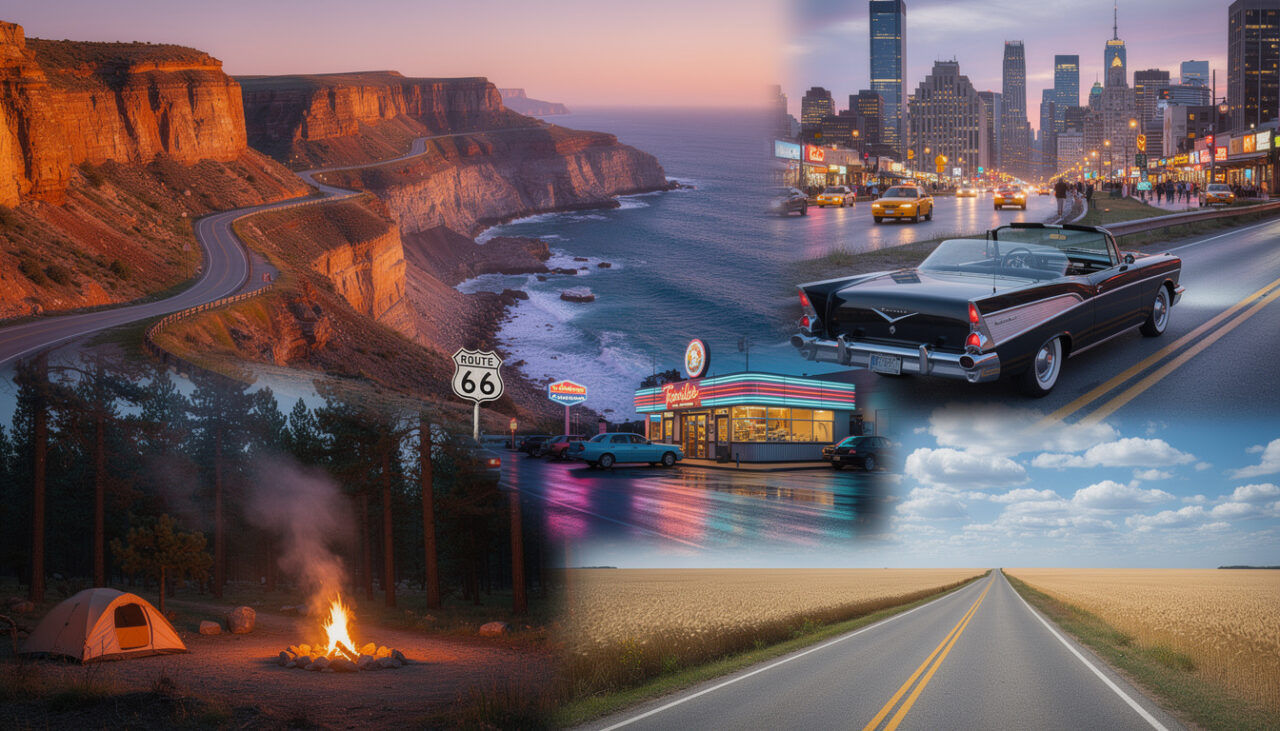
The open road in the USA has a way of resetting the rhythm of life. A well-planned road trip blends wide highways with narrow scenic routes, big-city energy with quiet national parks, and classic roadside attractions with unexpected detours that only appear when maps meet curiosity. From the Pacific Coast Highway’s cliffs to the Appalachian foothills, each region offers a distinct flavor of travel: surf towns, red rock deserts, bourbon country, neon-lit deserts, and moss-draped Southern byways. A single itinerary can carry travelers from ocean spray to alpine air in a matter of days, with roadside diners, boutique motels, design-forward hotels, and peaceful camping spots as familiar punctuation marks along the way. The real magic appears in the moments between destinations: a sunrise over a forgotten lake, a late-night conversation at a small-town bar, a random hike discovered on a faded sign.
Key points about road trip ideas across the USA
- 🚗 A USA road trip can be shaped around themes: national parks, food, music history, coastal scenery, or wellness retreats.
- 🗺️ Flexible itinerary planning keeps the adventure spontaneous while still covering iconic highlights and hidden backroads.
- 🌄 Regions like the Pacific Coast, Southwest deserts, Rocky Mountains, Deep South, and New England all offer unique scenic routes.
- 🏕️ Mixing camping, boutique hotels, and wellness stays turns long highways into a restorative travel experience.
- 📸 Classic roadside attractions—quirky museums, neon motels, giant statues—add personality and local color to any journey.
- 🧭 This guide moves region by region, sharing suggested routes, distances, and trip types to match different adventure styles.
Pacific Coast Highway road trip ideas: coastal USA adventure
Few routes carry as much mythology as California’s Highway 1, often called the Pacific Coast Highway. It threads along cliffs, beaches, and small coastal towns, presenting a constant tug-of-war between the urge to stop for every overlook and the desire to chase the horizon. For travelers hungry for ocean air and cinematic scenery, this stretch feels tailor‑made for slow travel, convertible roofs down, playlists up, and an open eye for those unmarked viewpoints that steal the show. 🏖️
A classic coastal itinerary runs from San Diego to San Francisco, with about a week leaving room for long lunches and detours. San Diego’s laid-back beach neighborhoods warm travelers up with surf culture and tacos before the route climbs toward Los Angeles. The drive north along the Pacific feels like a highlight reel of Southern California: Malibu’s laid‑back luxury, Ventura’s quiet charm, and Santa Barbara’s Mediterranean-style waterfront blending seamlessly into one long sun-drenched day on the road.
Between Santa Barbara and Big Sur, the highway takes on a more rugged personality. Vineyards spill down toward the ocean near San Luis Obispo, where travelers can detour inland to taste pinot noir or soak in natural hot springs. Those who love wellness-oriented travel sometimes build a whole day around an ocean-view yoga class in a boutique hotel, followed by a coastal hike where whales occasionally breach offshore. This mix of indulgence and nature has the same retreat-like atmosphere that inspires people to look at far‑flung escapes like affordable wellness stays in Bali, only here the retreat is reached by car rather than plane.
Big Sur is where the Pacific Coast Highway turns unforgettable. Bridges cling to cliffs, fog slides over redwood forests, and the road curves enough to keep drivers vigilant and passengers in awe. Pullouts appear like invitations: one leads to a trail into towering redwoods, another drops toward a sheltered cove, another simply opens to an enormous view of waves smashing into rock. Spending a night or two here, perhaps at a small lodge or cozy campsite, allows sunsets and starry nights to sink in rather than flash past a windshield.
North of Big Sur, the coastline softens near Monterey and Santa Cruz, where sea otters float in kelp beds and surfers chase cold‑water waves. By the time San Francisco appears, with its steep streets and layered history, the road trip feels like a slow crescendo from sandy beaches to cultural powerhouse. Some travelers continue past the Golden Gate Bridge, tracing Highway 1 toward Point Reyes and Mendocino, where coastal fog, lighthouses, and farm‑to‑table eateries reward anyone who resists the urge to end the trip too soon.
For a quick snapshot of how a week could unfold, consider this simple overview:
| Day 🚗 | Segment 🌊 | Approx. Drive Time ⏱️ | Trip Vibe ✨ |
|---|---|---|---|
| 1–2 | San Diego ➜ Los Angeles | 3–4 hours | Beaches, nightlife, coastal walks |
| 3 | Los Angeles ➜ Santa Barbara | 2–3 hours | Wine tasting, relaxed luxury 🥂 |
| 4–5 | Santa Barbara ➜ Big Sur | 4–5 hours | Cliffside vistas, hiking, photography 📸 |
| 6 | Big Sur ➜ Monterey/Santa Cruz | 2–3 hours | Wildlife watching, boardwalk fun |
| 7 | Santa Cruz ➜ San Francisco | 1.5–2 hours | Urban exploration, Golden Gate views 🌉 |
This coastal drive shows how highways can feel like moving wellness studios: sea air for the lungs, views for the mind, and plenty of space to reset personal priorities before turning inland toward desert or mountain adventures.
Southwest USA road trip: red rocks, desert skies, and national parks
No road trip across the USA feels quite as otherworldly as a sweep through the desert Southwest. Here the landscape becomes the main character: towering sandstone arches, endless mesas, and skies that hold sunsets long past the moment the sun drops. Freed from coastal crowds, travelers trade surfboards for hiking boots and move through a patchwork of legendary national parks and lesser‑known state parks linked by long straight highways. 🌵
A popular loop starts and ends in Las Vegas, a city that doubles as both neon playground and practical hub. Leaving the Strip, the road toward Zion National Park becomes a moving meditation on color, shifting from beige desert to rusty canyons. Zion’s towering walls and riverside trails make an ideal first stop, with hikes like Angels Landing and the Narrows testing comfort zones. Many travelers split their stay between a stylish lodge just outside the park and a riverside camping spot, a combination that keeps the trip rooted in nature without sacrificing sleep quality.
From Zion, the drive to Bryce Canyon feels short but transformative. Hoodoos rise in intricate clusters, glowing pink and orange at sunrise. The scenic routes around the park are packed with overlooks, yet quiet side trails still offer solitude. Long-distance travelers often talk about the emotional effect of these silent amphitheaters: something about staring into rock formations that have watched countless generations pass tends to recalibrate daily worries.
The classic itinerary continues toward Page, Arizona, for Horseshoe Bend and Antelope Canyon, before unfolding into Monument Valley’s silhouette‑rich horizon. These iconic landmarks earn their reputations, but a well-rounded road trip keeps one eye on lesser-known corners too: Valley of the Gods, Goblin Valley, or Snow Canyon offer shorter walks, picnic spots, and fewer tour buses. A balanced mix of headliners and quieter parks keeps the adventure from turning into a rush of photo stops.
As the loop curves toward the Grand Canyon, travelers often feel the scale of the region more acutely. The South Rim’s viewpoints create a feeling of suspension between earth and sky, especially at dusk. Those who camp along the rim or stay in historic lodges experience the canyon across multiple moods: hazy mornings, bright midday, and deep purple evenings. Nights here are ideal for stargazing; the lack of light pollution turns the sky into a dome of constellations that easily rivals any city skyline. ⭐
For travelers who enjoy connecting one big road journey to another part of the world, there are parallels between these desert adventures and other rugged destinations. Someone who thrives on big landscapes and outdoor challenge in Utah might also be drawn to the energy of adventure sports in South Africa or to multi-day hiking trips in the Alps. The common thread is that long drives and wild views invite personal breakthroughs as much as physical exertion.
Anchoring a Southwest road adventure around these national parks offers a powerful blend of motion and stillness. Hours behind the wheel lead to trailheads where the only sound is wind across rock, and each new canyon reinforces the same message: sometimes the most memorable stretches of travel are the ones that make daily routines feel very small and very far away.
Watching a visual breakdown of drives and trail difficulty can help shape a route, especially for travelers balancing different fitness levels or traveling with kids eager for shorter walks between long drives.
Rocky Mountains road trip routes: peaks, lakes, and camping escapes
The Rocky Mountains turn a USA road trip into a vertical experience, trading ocean horizons for jagged skylines and glassy alpine lakes. As cars climb toward higher elevations, the air cools, pine scent sharpens, and roadside pullouts shift from beaches to viewpoints overlooking sprawling valleys. This kind of journey appeals to travelers who crave hiking, camping, and crisp mornings where breath hangs like mist. ⛰️
One classic route connects Denver to Yellowstone, weaving through Colorado and Wyoming on a tapestry of scenic routes. Leaving Denver, drivers can aim for Rocky Mountain National Park via Trail Ridge Road, one of the highest continuous paved roads in North America. The switchbacks and overlooks invite slow progress; wildlife sightings—elk, marmots, bighorn sheep—become part of the daily rhythm. Travelers often split their nights between established campgrounds and cozy cabins, an approach that keeps the trip outdoorsy without feeling rugged every single night.
Beyond Rocky Mountain National Park, the road north leads to Wyoming’s wide-open spaces. The climb toward Grand Teton National Park feels like an approach to a stone fortress, with the Tetons rising abruptly from flat valley floors. Here, kayaks and paddleboards share space with photography gear, as sunrise reflections on Jenny Lake or Jackson Lake reward early alarms. Those who love wellness-oriented routines often fold in gentle morning stretching sessions by the water or short meditative walks along lakeside paths before longer hikes.
Yellowstone, just beyond the Tetons, adds geothermal drama to the mountain scenery. Old Faithful and the Grand Prismatic Spring draw crowds, but quieter corners like Lamar Valley offer a sense of wilderness that matches the most remote corners of the range. Long driving days inside the park connect geyser basins, waterfalls, and wildlife meadows, turning the national park into a road trip playground in its own right. Bears, wolves, and herds of bison remind everyone that these mountains are not just scenic—they are alive with complex ecosystems.
For travelers stretched between the lure of camping and the appeal of comfort, the Rockies provide plenty of middle ground. Some plan alternating nights: one under canvas at a forested campground, one in a small mountain hotel with a hot tub and good coffee. Others coordinate multi-day basecamps in towns like Jackson, Bozeman, or Estes Park, using them as hubs for out-and-back day trips. The flexibility of these mountain itineraries keeps the trip adaptable to changing weather and energy levels.
A simple checklist helps keep a Rocky Mountain road journey low-stress and high-reward:
- 🏕️ Layered sleeping gear for chilly nights at high-altitude campgrounds.
- 🥾 Comfortable hiking shoes suitable for both rocky trails and casual town walks.
- 💧 Plenty of water storage for stretches between services on mountain passes.
- 🗺️ Offline maps for when cell service drops in remote valleys.
- 🔥 Compact stove or picnic kit to turn any viewpoint into a scenic lunch stop.
Travelers who love this mix of altitude, quiet nights, and sustainable stays often find themselves daydreaming about eco‑forward mountain destinations elsewhere, such as the kind of eco-friendly cabins in the Alps that echo the same spirit with different peaks. Whether in Europe or North America, the appeal remains constant: long days on the road framed by peaks and pine forests, anchored by moments of stillness that make the next stretch of highway feel welcome.
A Rocky Mountain road trip underlines a simple truth: when the road runs through high country, every bend becomes a new vantage point, and every overnight stop feels like a small retreat carved out of the clouds.
Deep South and Southern USA road trip: music, food, and backroads
Head southeast and a USA road trip trades peaks and deserts for magnolias, blues guitar riffs, and front-porch hospitality. The Deep South is made for slow driving: not because the roads demand it, but because the culture rewards lingering. From New Orleans to Nashville, small towns and mid-size cities stitch together stories of jazz, country, and civil rights, all backed by a soundtrack flowing from open bar doors and roadside barbecue pits. 🎷
A popular route starts in New Orleans, where travelers soak in live music on Frenchmen Street, sample beignets, and wander beneath wrought-iron balconies. Leaving the city, scenic routes along the Mississippi River encourage detours to plantation homes, small museums, and cafés serving gumbo that tastes like someone’s grandmother still stirs the pot. The pace of life shifts; conversations stretch longer, meals linger, and every gas station stop feels like a chance to hear another local story.
From there, the road angles north toward Jackson and on to Memphis. Here, roadside attractions take on a distinctly musical hue: Graceland, Sun Studio, and small juke joints where blues musicians still play late into the night. Travelers who value authentic experiences often bypass the biggest billboards in favor of smaller venues with hand-painted signs and mismatched chairs; these spots tend to deliver the rawest performances and warmest welcomes.
Continuing to Nashville, the itinerary transitions from blues to country and Americana. Broadway’s neon bars and honky tonks pulse with live acts day and night, but the real magic often lies in side streets and smaller stages where songwriters test new material. Long-distance road trippers learn quickly that an evening spent listening to music can be just as restorative as any spa treatment, especially after hours of highway noise earlier in the day.
Beyond the big-name cities, Southern byways reward those willing to meander. The Natchez Trace Parkway offers a particularly atmospheric drive, with gentle curves, lush greenery, and historical markers tracing Indigenous and early trade routes. Picnic spots and short walking paths dot the parkway, breaking up the drive with quiet moments under towering trees. Travelers who love photography often come away with albums full of Spanish moss, abandoned gas stations, and old churches glowing at golden hour.
Throughout the South, safety and confidence on the road matter, especially for those traveling solo or experimenting with their first extended drive away from home. Many of the same principles discussed in guides about solo travel safety apply here: share your rough route with a trusted friend, trust your instincts about where to stop for the night, and keep accommodations booked one or two days ahead when crossing remote areas. These simple habits allow the romance of backroads to shine without unnecessary stress.
The Deep South road trip experience hinges on the relationship between motion and community. Highways connect cities rich in history and culture, while the smaller roads between them reveal the everyday lives behind the legends. Travelers leave with playlists shaped by live shows, recipes scribbled in notebooks after conversations with cooks, and a renewed appreciation for the way regional identity can still shape the flavor of a journey.
This kind of musical and culinary pilgrimage pairs beautifully with other themed road journeys, forming part of a larger patchwork of American experiences stitched together one mile at a time.
New England and East Coast road trip: coastal towns, foliage, and historic highways
On the opposite side of the USA, the East Coast offers a different kind of road trip rhythm: shorter distances between towns, layers of colonial history, and compact landscapes that shift from city skylines to fishing villages in a single afternoon. New England in particular shines when fall foliage sets the hills ablaze, but the coastal routes and national parks here hold their allure long beyond a single season. 🍁
Many travelers begin in Boston, where historic walking routes, harbor views, and lively neighborhoods set a dynamic tone. Leaving the city, a car pointed north can track the shoreline through Salem, Gloucester, and up into Maine’s jagged coast. Roadside attractions here range from lighthouses and lobster shacks to small bookstores and local craft breweries. A simple lunch of fresh seafood at a picnic table overlooking the Atlantic often becomes one of the standout memories of the whole itinerary.
Acadia National Park near Bar Harbor serves as a crown jewel for this region. The Park Loop Road weaves through forests, along cliffs, and up to Cadillac Mountain, where sunrise over the Atlantic feels almost ceremonial. Some travelers wake before dawn, drive carefully along the dark road, and share thermos coffee as the horizon switches from inky blue to gold. Others explore the carriage roads by bike or lace up boots for coastal hikes where waves crash far below.
Turning inland, routes through New Hampshire and Vermont reveal postcard-worthy towns, covered bridges, and farm stands. In autumn, the colors become almost surreal, drawing drivers from around the world who want to experience “leaf peeping” at its source. Yet even at the height of the season, lesser-known byways allow moments of quiet: a small lake mirrored with orange trees, an empty dirt road leading to a random trailhead, a hillside cemetery overlooking rolling fields.
Further south, road trips along the Eastern Seaboard can extend to Rhode Island’s beaches, Connecticut’s coastal communities, and even down into New York’s Hudson Valley. Each region contributes its own version of charming main streets, art galleries, and historic sites. Because distances are shorter than cross‑country adventures, this part of the USA suits travelers who prefer more time exploring on foot and less time behind the wheel each day.
For those plotting a broader travel year, a New England drive pairs well with future voyages further afield, whether wandering historic streets in Europe or tracking down lesser‑known coastal gems similar to the ones found in articles about overlooked corners of Spain. The shared motif is clear: compact regions, rich with history and scenery, reward slow exploration and curiosity‑driven detours.
East Coast road trips highlight the softer side of adventure: instead of vast deserts or towering peaks, they offer a layered blend of culture, weathered architecture, and seasonal change. From lighthouses and lobster rolls to foliage‑lined highways, these routes prove that not every transformative journey requires driving thousands of miles—sometimes the most resonant shifts happen within a single day’s radius of a major city, provided the car points toward smaller roads and unhurried towns.