Family Camping Adventures in Germany
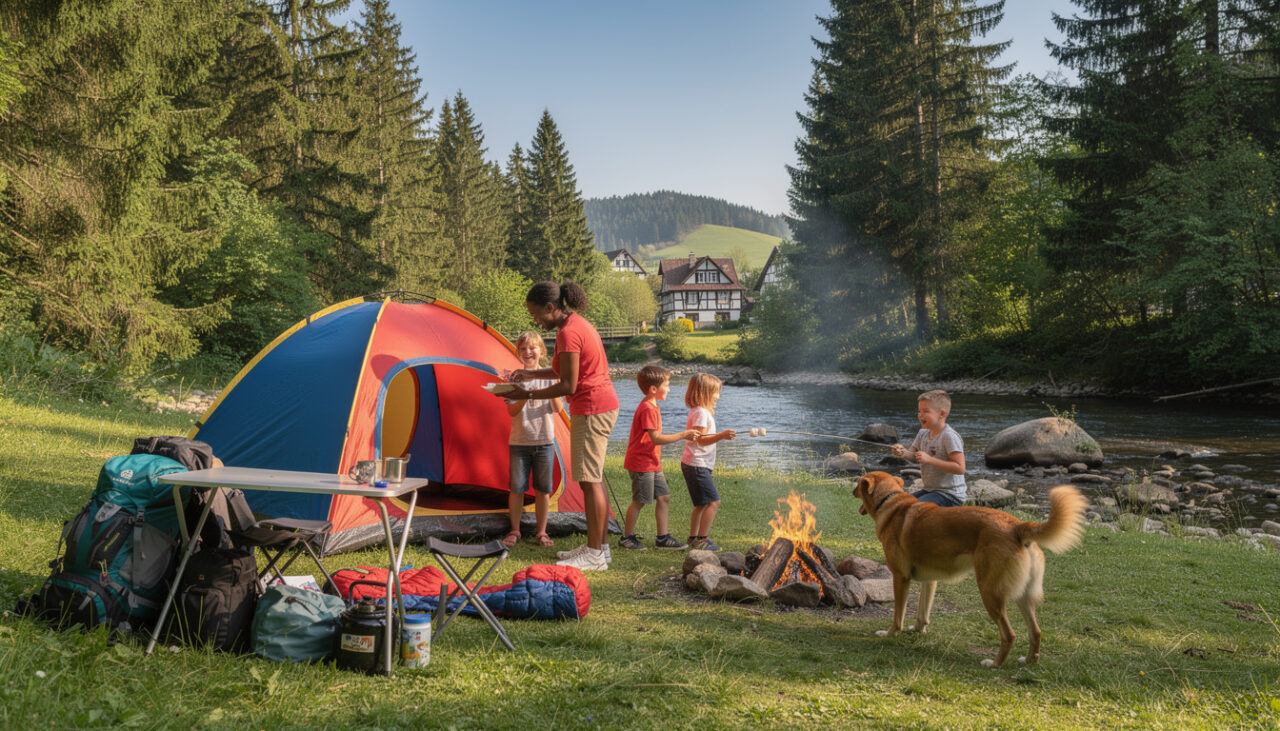
Family camping adventures in Germany have a way of turning ordinary weekends into vivid memories that linger for years. Between the Baltic breeze on the north coast, the deep green of the Black Forest and the jagged silhouettes of the Alps in the south, the country feels built for outdoor adventure with kids. Parents who usually gravitate to hotels and wellness retreats are increasingly discovering that a few nights on well-equipped camping sites can deliver the same level of comfort, with a thicker layer of authenticity. Germany’s campgrounds lean into this: spotless facilities, playgrounds, heated pools, lakes with shallow shores, and walking paths that start directly behind the tent. While the children chase ducks, build dens or race along hiking trails, adults get a rare chance to slow down, sip their coffee and watch the mist lift from the trees. That mix of ease, safety and wildness turns a simple tent camping trip into something that quietly transforms family routines and reconnects everyone to nature. 🔥
Key points about family camping adventures in Germany
- 🌲 Germany offers varied landscapes for family camping – from the North Sea and Baltic coastlines to river valleys, forests and the Alps – so every age group finds its own version of nature exploration.
- 🏕️ Most German camping sites are famously clean, well-organised and family-focused, combining playgrounds, pools and sports areas with easy access to hiking trails and wildlife watching spots.
- 🔥 Evenings around the fire invite classic campfire stories, shared meals and relaxed conversations that deepen family bonding away from screens and tight schedules.
- 🚲 From the Black Forest and Bavarian Alps to lakes in the north, specific regions cater especially well to kids with safe swimming areas, bike paths and adventure parks.
- 🎒 Practical planning – packing smart, choosing the right pitch, balancing comfort with spontaneity – helps hotel-loving parents enjoy tent camping without stress.
- 📸 Each section below digs into a different angle: landscapes, campsite types, everyday rhythms, regional highlights, and planning tips, so families can shape a German camping trip that fits their style.
Why Family Camping in Germany Creates Unforgettable Shared Memories
When families choose Germany for their next outdoor adventure, they step into a country that treats nature like a beloved living room. Forests are carefully protected, lakes remain swimmable, and paths through fields and hills are marked with almost obsessive precision. For parents travelling with children, that mix of wilderness and order brings relief: kids can roam, yet distances, safety and facilities are predictable. A family that usually books all-inclusive hotels can discover that German camping sites often feel like open-air resorts, with the added bonus of waking up to birdsong instead of elevator dings. 🌿
Consider a fictional family, the Müllers, from Hamburg. They decide to trade their annual beach hotel in Spain for a week of family camping on the Baltic Sea. The first morning, instead of queuing for a breakfast buffet, they unzip the tent and step straight onto soft dunes, the air cool and salty. The children run towards the water in their pyjamas, squealing at the chill, while the parents brew coffee on a small stove. That simple shift – direct contact with the elements, no lobby, no corridors – rewires the atmosphere of the holiday. Time feels slower, yet every moment is packed with small discoveries.
There is also something about the German attitude to rules that curiously benefits campers. Quiet hours are respected, which means toddlers sleep despite the cluster of caravans nearby. Recycling areas are clearly labelled; kids start separating waste almost like a game. Paths leading to nearby villages or viewpoints are detailed on boards at reception, often with kid-friendly suggestions and estimated walking times. This careful structure gives parents the freedom to say “yes” more often. Yes, you can ride your bike to the playground. Yes, you can explore the small forest by the lake, as long as you stay on the path. Responsibility is shared between families and the environment, which kids sense and mirror.
Even the weather plays its part. German summers are rarely scorching, so days tend to alternate between sunny warmth and cooler, cloudier intervals. That rhythm encourages varied activities: swimming and sandcastles when the sun shines, board games in the awning, card tournaments and campfire stories when raindrops drum on the canvas. Some of the strongest memories form in those “imperfect” moments – laughing together as everyone squeezes under one tarp while a short storm passes, or running together to rescue towels from an unexpected shower. Those shared mishaps often become family legends retold for years.
Another reason these trips stick in children’s minds lies in the sensory intensity of tent camping. Nights are genuinely dark, apart from the glow of nearby lanterns and distant bathrooms. Sounds travel differently: the hoot of an owl, the rustle of leaves, muffled conversations blended with the crackle of firewood. Breakfasts taste fresher, and everyone notices small details like the smell of pine needles or the texture of damp sand between toes. Families who usually rush through their days begin to tune into these textures, and kids, especially, thrive when their environment invites curiosity from morning to night.
When parents look back on a German camping holiday, they rarely describe a single big attraction as the highlight. Instead, they recall a pattern of small, meaningful moments: teaching a child to light a safe campfire, watching a teenager sit quietly by the lake without headphones, or seeing siblings cooperate while pitching the tent. This everyday magic, amplified by the country’s care for nature and its culture of organised leisure, turns family camping in Germany into a powerful tool for family bonding.
Those memories formed under the open sky prepare the ground for future adventures, making it easier next time to choose forests and lakes over crowded resorts.
Shared Routines That Strengthen Family Bonds
Daily life on a campsite looks deceptively simple: cooking, washing dishes, brushing teeth in a shared bathroom, airing out sleeping bags. Yet these tasks are rarely done alone. Families plan meals together, carry water together, decide who holds the torch on the way back from the showers. Chores that at home might trigger arguments become part of the adventure narrative. Who volunteers to fetch fresh bread rolls from the camp shop at dawn? Who becomes the official “peg supervisor” for the tent?
The Müllers quickly discover that their children enjoy taking on specific roles. One child might become the master of the breakfast table, arranging bowls and fruit, while another proudly reads the campground map and helps navigate to the beach. Every contribution feels visible and meaningful, fostering a sense of competence. Parents, too, step into different versions of themselves: more patient, more playful, less tethered to emails and errands. That shift in family dynamics leaves its trace long after the tent is packed away.
Evenings are where the magic peaks. As light fades, background noise drops, and small rituals form: a walk to watch the sunset, hot chocolate boiled on a small stove, marshmallows skewered over low flames. Children, who during the day dart from activity to activity, suddenly slow down and lean closer, entranced by campfire stories. Old family tales resurface, stories from grandparents’ camping days, or even local legends picked up from the campsite noticeboard. These moments, where everyone listens to the same story under the same sky, reinforce the feeling of belonging more effectively than any scheduled “family activity” in a resort.
By the time the stars appear, the day’s highlights have already shifted from “We went to the pool” to “We made our own little home under the trees.” That perspective is what gives family camping in Germany its quiet, enduring power.
Best Regions in Germany for Family Camping and Outdoor Adventure
Families searching for the perfect outdoor adventure in Germany quickly realise the country behaves like a continent in miniature. Each region carries a distinct mood, from breezy coastal plains where kites dance against North Sea winds to serene mountain lakes that mirror Alpine peaks. The art lies in matching a family’s personality to a landscape: restless kids might crave rolling dunes, budding naturalists may prefer calm lakes with reed belts, and hiking-obsessed parents often lean towards forested hills criss-crossed by hiking trails. Germany’s strength lies in offering all of these within a day’s train ride or drive.
The northern coasts, along the North Sea and Baltic Sea, call to families who want sand between their toes and a horizon that seems to stretch indefinitely. Campsites here often sit right behind dykes or dunes, so children can walk from their tent to the water’s edge in minutes. Shallow sandbanks invite paddling, kite flying and long walks at low tide. Small harbour towns nearby sell smoked fish and ice cream, while boats depart for seal watching trips – a gentle form of wildlife watching that fascinates younger children. ⛵
Further south, the lake regions and river valleys come into their own. The Moselle and Rhine valleys, for instance, combine vineyards with easily accessible camping sites along the water. Families can rent kayaks, cycle along flat river paths, or join boat cruises that pass medieval castles. The evenings there feel dreamy: lights from small towns twinkle on the water, and the scent of barbecues mingles with the sweet smell of grapes. In these areas, family bonding grows almost automatically from shared activities that are relaxed yet full of gentle adventure.
The central uplands – think Eifel, Harz or the various Mittelgebirge ranges – offer a different kind of thrill. Forested hills roll away in all directions, riddled with well-marked hiking trails, bike routes and nature reserves. Kids can search for wild blueberries, follow streams to small waterfalls, or explore themed paths with information boards about local animals. Many family-oriented camping sites in these regions add ropes courses, climbing walls or mini high-ropes parks, so energy finds safe outlets even after a day of walking.
And then there is the south: the Black Forest and the Bavarian Alps, where the landscapes look like they leapt straight from picture books. Dark spruce woods, bright green meadows and peaks that catch the evening light form a dramatic backdrop to family camping. Lakes like Titisee or Forggensee invite swimming and paddle boarding, while cable cars whisk families up to panoramic viewpoints and high-altitude playgrounds. The combination of mountain panoramas and accessible infrastructure means even younger children can taste the high-altitude experience without exhausting climbs.
Wherever the region, German planning culture ensures that families rarely feel lost. Tourist information offices and campsite receptions provide maps highlighting loop walks suitable for strollers, kid-friendly attractions, and rainy-day museums nearby. This regional richness gives families permission to choose a theme: coastal discovery, lake relaxation, forest immersion or mountain adventure, tailoring their camping holiday to the mood they want to create.
Regional Highlights for Family Camping Adventures
To make the contrasts between regions easier to grasp, parents often like to compare their options side by side. Each area shines in its own way, from wind-swept beaches to quiet pine forests. A quick overview helps match each family’s preferences with the right setting.
| Region 🌍 | Main vibe for families 😄 | Typical activities 🏕️ |
|---|---|---|
| North Sea & Baltic Sea | Breezy beach days, long tidal flats, laid-back seaside towns | Sandcastle building, kite flying, seal-watching boat trips 🦭 |
| Lake districts & river valleys | Calm water, gentle landscapes, small historic towns | Kayaking, riverside cycling, castle visits 🏰 |
| Central uplands | Endless forests, rolling hills, cooler summer air | Forest hiking trails, berry picking, ropes courses 🌲 |
| Black Forest & Bavarian Alps | Mountain views, alpine lakes, fairy-tale villages | Panoramic hikes, lake swimming, cable car rides 🚡 |
Families like the Müllers, who first tried the Baltic coast, often find themselves planning the next trip further south to sample another flavour of outdoor adventure. The variety keeps Germany feeling fresh, even for those who return year after year. As children grow, preferences shift from gentle beaches to wilder hikes and mountain challenges, yet the same country continues to provide fitting backdrops for each new phase.
By treating Germany not as a single destination but as a patchwork of distinct “worlds,” families open the door to a lifetime of evolving family camping stories.
Types of Family-Friendly Camping Sites in Germany
Not all camping sites in Germany feel the same, and that variety allows families to pick a style that matches their comfort zone. Some resemble small, buzzing villages with pools, restaurants and daily entertainment for kids. Others lean towards quiet, nature-first experiences where birds and crickets provide the soundtrack. This spectrum opens the door even for parents who usually prefer plush hotels and wellness retreats. When they realise they can have clean bathrooms, cosy rental cabins and perhaps even a small spa alongside tent camping, the step into canvas and fresh air feels far less daunting.
On one end sit the full-service “holiday parks.” These campgrounds feature heated swimming pools, slides, mini-golf, indoor playrooms and dedicated children’s clubs. Animators organise treasure hunts, crafts sessions and sports tournaments, which gives parents a window for reading, napping or enjoying a drink in the on-site café. Wifi coverage is often strong, and pitches may include private bathrooms. For families dipping their toes into family camping for the first time, this hybrid format strikes a reassuring balance between structure and freedom. 🎡
Moving along the spectrum leads to smaller, family-run campgrounds by lakes, rivers or at the edge of forests. These places tend to focus more on direct nature exploration. The main attractions might be a shallow swimming area, a wooden playground and a fire pit for shared campfire stories. Children here spend more time on improvised games: building rafts from sticks, collecting stones, or following animal tracks. Parents appreciate the slower rhythm and the chance to chat with owners who often live on-site and know every tree, path and viewpoint in the area.
At the quieter end are eco-focused sites, sometimes attached to farms or nature reserves. Facilities remain clean but more minimal, and engines are often restricted in certain zones, creating near-silent nights. These settings suit families who crave genuine wildlife watching and low light pollution. Owls, bats and deer sometimes wander close to the pitches, and dawn can bring a surprising chorus of birdsong. Children quickly learn to lower their voices and tune into the surroundings, which can feel like an adventure all on its own.
In recent years, “glamping” has gained momentum in Germany, offering safari tents, treehouses, barrels and tiny houses already set up with mattresses, linens and sometimes private bathrooms. For parents who love stylish hotels, these options offer a bridge between design-conscious comfort and tree-framed views. Families arrive to find beds made, fairy lights strung along decking, and sometimes even a small wood-burning stove waiting. That means more energy for walks, swimming and playing, less time worrying about gear.
Whichever style families choose, the shared thread across German sites is a clear focus on children. Play areas are almost standard, often fenced and filled with climbing structures made from natural materials. Some sites host small petting zoos, others provide go-karts or bike rentals. There is an unspoken understanding that younger campers are honoured guests who should feel safe, entertained and welcome from morning to night.
How Families Choose the Right Type of Site
The Müllers, now seasoned campers after their first Baltic trip, face a familiar question when planning the next holiday: repeat the lively holiday park or switch to a quieter lakeside site? They sit together at the kitchen table, laptop open, comparing pictures and reading reviews. The children beg for another big pool; the parents secretly long for fewer loudspeakers and more fireflies.
To break the tie, they create a playful checklist. Do they want organised kids’ programmes, or do they prefer self-directed play? How far should the nearest supermarket be? Does everyone feel excited about trying a glamping hut, or does the family tent already feel like a beloved travelling home? These questions help them articulate what kind of family bonding they are looking for this time. Loud shared laughter during water aerobics, or quiet whispers while spotting constellations?
In the end, they choose a medium-sized, family-run campsite by a lake in southern Germany. The site offers a small pool and playground, yet the real highlight is the easy access to a swimming pier and rowing boats. By not chasing every possible amenity, they leave more room for the landscape itself to carry the holiday. That choice reflects a pattern many families follow as they gain confidence: starting big and busy, then gradually gravitating towards simpler, more nature-centred experiences as everyone grows comfortable with the rhythms of family camping.
Understanding these types helps families design trips that feel just right for their current season of life, rather than chasing a generic idea of a perfect campsite.
Everyday Magic: Hiking Trails, Wildlife Watching and Campfire Stories
The real charm of family camping adventures in Germany rarely hides in a single spectacular attraction. Instead, it unfolds across ordinary hours, strung together by trails, encounters with animals and evenings under the stars. Germany’s web of hiking trails turns even a simple walk into an event. Paths are graded by difficulty and often peppered with themed stations: wooden xylophones in the forest, balance beams, information boards about foxes and woodpeckers. Children who might ordinarily resist a walk around the block happily march for kilometres when the path invites them to touch, climb and learn.
The Müllers discover a “forest experience trail” near their lakeside campsite. The route loops through tall pines and mossy clearings, with signs inviting kids to compare their hand size to animal tracks, listen for different bird calls or guess the age of a tree from its rings. At one stop, the trail asks them to close their eyes and identify sounds: wind in the needles, distant laughter from the lake, the creak of branches. The children, usually glued to screens, lean into the challenge with surprising seriousness. These small exercises anchor them more deeply in the landscape.
Wildlife watching becomes a natural side effect of this slowness. Early risers might spot deer slipping between trees at the forest edge, while late-night bathroom trips reveal hedgehogs shuffling through leaves. Lakes attract ducks, swans and sometimes herons, while mountain regions might reward patient observers with glimpses of marmots or eagles. Parents who bring binoculars suddenly become heroes, handing them over to awe-struck kids who whisper “I see it!” as if sharing a secret with the whole forest. 🦌
These encounters don’t need to be dramatic to be meaningful. Watching ants build a sand hill beside the tent or following a line of caterpillars across a path can trigger more questions than any zoo visit. German campsites often support this curiosity by organising low-key nature walks with rangers or local guides who know where to find owl nests, rare plants or beaver dams. Such activities turn holidays into gentle field trips, planting seeds of respect for ecosystems that might influence children’s choices for years.
Evenings bring a shift in tempo. As daylight fades and the temperature drops a little, families naturally gravitate towards communal fire pits or portable fire bowls allowed on certain pitches. Here, campfire stories take centre stage. Marshmallows roast slowly, sometimes burning at the edges, while tales range from simple recaps of the day to spooky legends and dreams for future trips. Parents might share stories from their own childhood holidays, weaving a thread between generations.
Music sometimes joins the scene: a guitar, a ukulele, or even just humming along to favourite songs. Firelight softens everyone’s features, and conflicts from earlier in the day – about bedtime, snacks, or who got the best seat in the car – drift away. There is something deeply grounding about watching sparks rise into the dark while hearing a child’s voice describing their favourite moment. Those sparks of conversation, just like the glowing embers, linger far longer than most souvenirs.
Screen-Free Play and Quiet Confidence
One underrated side effect of family camping in Germany is the way screens naturally lose their grip. Many camping sites have patchy wifi or encourage digital detox by limiting coverage to central areas. At first, children might protest; soon they are too busy chasing new friends, racing on scooters or building elaborate “villages” from sticks and stones. Parents, noticing fewer whines about boredom, relax into conversations they rarely manage at home.
With time, kids begin to roam a little further: to the table-tennis area, the jetty, the small forest behind the pitches. Being allowed this controlled freedom builds quiet confidence. They learn to read the campsite’s layout, tell time by the angle of the sun or the schedule of meals, and negotiate boundaries with siblings and new acquaintances. When they trot back at dusk with flushed faces and stories of imaginary quests or football matches with children from other countries, parents see growth that no organised “confidence-building camp” could quite replicate.
By the end of a week, even the shyest child often has a small cluster of campsite friends, nicknamed and remembered long after the tents have been packed away. That social ease, born from unstructured play in a safe, semi-wild environment, becomes one of the most valuable souvenirs of family camping life.
The layering of trails, wildlife, firesides and free play turns everyday camping days into a tapestry of micro-adventures that children and adults carry with them long after returning home.
Practical Tips for Planning a Family Camping Trip in Germany
Turning the idea of family camping adventures in Germany into reality starts long before the tent stakes hit the ground. Good planning doesn’t remove spontaneity; it simply creates a framework that allows families to relax once they arrive. Parents accustomed to hotels often worry about logistics: packing, weather, food, sleep. Germany’s culture of organised outdoor recreation lowers many of these barriers, but a few thoughtful decisions make the difference between a stressful trip and one that feels like a deep exhale.
Site selection comes first. Parents scan reviews that emphasise clean bathrooms, safe playgrounds and nearby hiking trails. They look for words like “family-friendly,” “quiet at night” and “direct access to lake or forest.” Booking early pays off, especially during school holidays, when the most sought-after lakefront pitches or shaded forest spots vanish quickly. Some families prefer to stay in one campground for the entire holiday; others, more adventurous, plot a small road trip linking two or three regions – perhaps a few days by the Baltic Sea followed by a stint in the Black Forest.
Packing follows, and here experience shapes the list. Families quickly learn that layers matter more than sheer volume. Lightweight fleece jackets, quick-drying trousers and sturdy sandals beat overflowing suitcases of “just in case” outfits. A small first-aid kit, headlamps for each person, and a dedicated box for kitchen gear simplify daily life. Many parents swear by a “camping crate” that stays pre-packed at home with essentials: matches, reusable plates, basic spices, a sharp knife and, for comfort, a familiar mug or two. 🔦
Meal planning deserves special attention. German supermarkets near popular camping sites cater well to campers, selling disposable barbecues, fresh bread and a surprising range of plant-based options. Families often settle into a rhythm: simple breakfasts at the tent, packed lunches for excursions, and relaxed dinners around the fire or at a nearby restaurant once or twice during the stay. Children can help design a “holiday menu” featuring favourites like sausages, grilled vegetables, potato salads and fruit skewers. Sharing responsibility for chopping, stirring and serving transforms mealtimes into another opportunity for family bonding.
Even those who favour wellness hotels soon discover small comforts that bring spa-like calm into tent camping: a good camping mattress, soft blankets instead of only sleeping bags, a string of warm fairy lights, and perhaps a portable hammock for reading. Little touches, like a foldable rug at the tent entrance, reduce sand and pine needles inside, making the interior feel like a cosy nest rather than a chaotic gear dump.
- 🎒 Pack light but smart: focus on layers, headlamps, a compact first-aid kit and a dedicated kitchen box.
- 🗺️ Choose region and site together: involve children in picking between coast, lakes, forests or mountains.
- 🔥 Plan simple meals: repeat-friendly recipes that work on a stove or grill keep evenings relaxed.
- 💧 Stay flexible with weather: bring games, books and a tarp so rain showers become part of the adventure.
- 🌌 Create evening rituals: stargazing, short walks or campfire stories mark the days with gentle closure.
Transport choices also matter. Germany’s rail network allows many families to reach campsites without a car, especially those near lakes and in the Alps, where shuttle buses and rental bikes take over. Car-free travel inspires lighter packing and often leads to more walking, which children quickly accept as part of the adventure. Those who drive gain flexibility for exploring nearby towns, climbing schools or theme parks, but might aim to park the car and forget about it once the tent stands.
The Müllers, planning their third trip, now keep a shared digital note labelled “Next time.” After each holiday, they add ideas: a better clothesline system, a new card game discovered from neighbouring campers, the reminder to bring extra batteries for headlamps. Over time, this evolving list transforms them from cautious beginners into confident regulars who can pivot easily between North Sea breezes, Alpine lakes and forest hideaways.
With each trip, the gap between their old hotel-focused holidays and their new love for family camping in Germany narrows. They find that the relaxation they once associated with buffets and spas now appears in hammocks by lakes, quiet forest paths and late-night whispers under canvas roofs. Good planning opened the door, but the country’s landscapes and thoughtful campsites keep them walking through, year after year.