Pet-Friendly Vacations in Europe
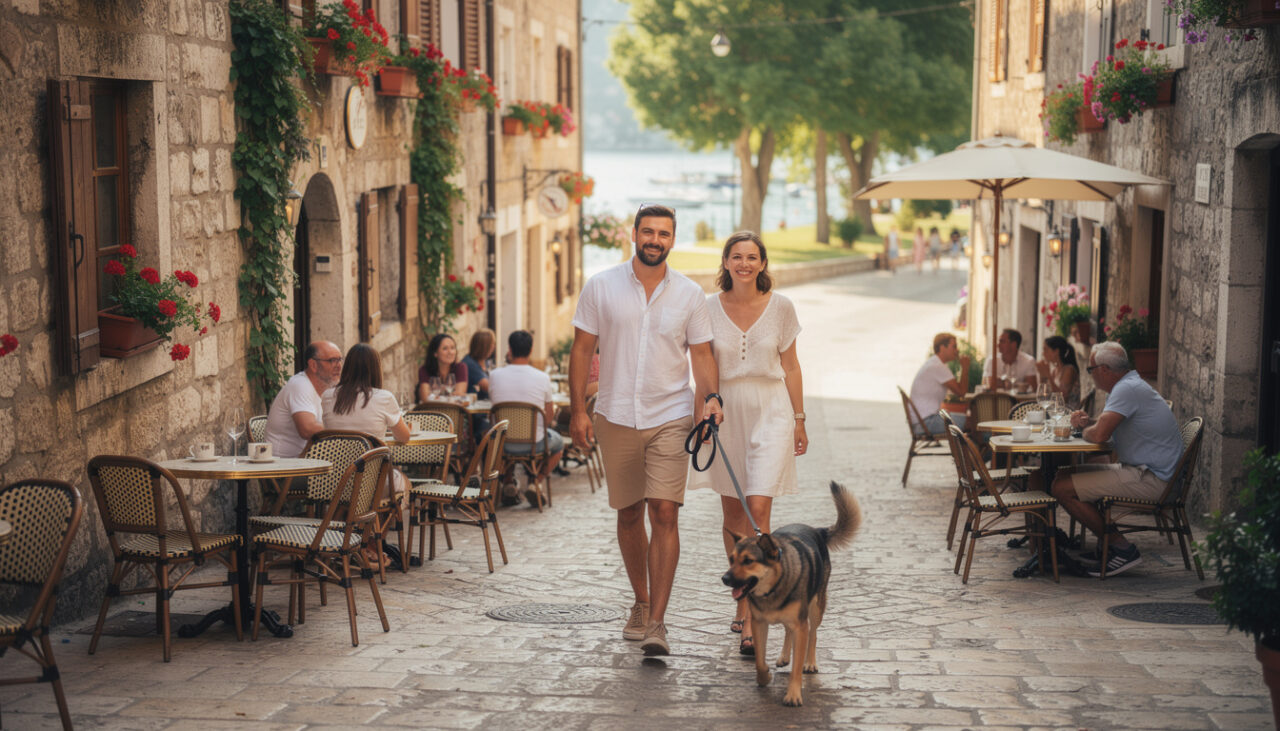
Pet-friendly vacations in Europe have quietly moved from a niche travel idea to a full-blown movement, reshaping how people cross borders with their four-legged companions. From Baltic beaches where dogs sprint through shallow waves, to Alpine spa resorts where a muddy pup gets its own towel and welcome treat, the continent has embraced a softer, more playful way to wander. Cities such as Madrid, Berlin, and Vienna now pair cutting-edge hospitality with relaxed European pet policies, so a weekend escape no longer means scanning tiny print for “no pets allowed.” Rural escapes have followed, with Transylvanian villages, Portuguese coastal towns, and French canal hamlets welcoming wagging tails as part of the scenery, not an exception. For travelers who see a leash as part of their packing list, Europe offers a rare combination of culture, comfort, and genuine pet-friendly activities that turn a simple trip into a shared adventure. 🐾
Key points about pet-friendly vacations in Europe
- 🐕 Broader choice of pet accommodations: From chic dog-friendly hotels to countryside cottages, Europe offers thousands of stays where pets are treated as guests, not luggage.
- 🏖️ Outdoor freedom: Pet-friendly beaches, forest trails, lakes, and canal paths across the continent give dogs space to run, splash, and explore safely.
- 🚆 Convenient European pet policies: Rail networks, ferries, and many airlines now have clearer rules and simpler booking processes for those who travel with pets.
- 🍽️ Everyday integration: Cafés, bars, and even some museums welcome pets, turning city breaks into relaxed, shared experiences.
- 🧳 Smart planning pays off: The right pet travel tips—documents, packing, and health checks—transform potential stress into a smooth, tail-wagging journey.
Pet-Friendly Vacations in Europe: Why the Continent is a Haven for Travelers with Pets
Across Europe, a quiet revolution has changed how trips are planned: more travelers now refuse to leave their animals behind, and the travel industry has responded with enthusiasm. A couple like Lara and Matteo, for instance, no longer has to choose between a romantic escape and time with their golden retriever, Milo. A night in a chic hotel might include a plush dog bed, a small welcome biscuit, and a curated map of nearby pet-friendly activities. The emotional side is obvious—nobody misses their best friend at home—but the practical benefits are equally strong. Kennel fees disappear, worries ease, and memories multiply when the whole “pack” travels together.
European culture plays a big part in this shift. Dogs in many cities are part of street life: sitting under café tables in Paris, trotting through Munich beer gardens, or joining their humans in Lisbon miradouros at sunset. That everyday normality has spilled into holiday habits. Hoteliers, restaurateurs, and even tour operators have realized that welcoming animals creates a warmer atmosphere and a loyal clientele. When a place treats a dog as more than an afterthought, guests tend to return—and they talk about it. Word-of-mouth, Instagram story by Instagram story, has turned quiet initiatives into widely known pet-friendly destinations.
Infrastructure has caught up as well. Train operators in countries like Germany, Italy, and Spain now present clear pricing and conditions for pets, with many small dogs traveling free or at reduced fares. Ferries across the Adriatic and Baltic seas have upgraded decks and cabins, with dedicated pet zones instead of awkward corners. Even night trains are adapting, making it easier for those long cross-border routes to include a sleeping pup at the foot of the bed. This alignment between culture and logistics explains why pet-friendly vacations in Europe feel so natural once the trip begins.
Urban landscapes offer another advantage: compact, walkable centers. Historic cores in cities such as Prague or Bruges encourage slow strolling rather than frantic commuting. That rhythm suits four legs as much as two. Narrow cobbled alleys, hidden courtyards, and river promenades become shared discovery grounds, not just pretty backdrops. A traveler who plans with pet-friendly activities in mind might start with a sunrise lap around a medieval wall, break at a café that brings out a water bowl without being asked, and finish the evening in a wine bar where a sleepy dog naps under the table.
There is also a wellness dimension. Many people have leaned into the idea that time off should genuinely restore them, not just deliver an overstuffed gallery of photos. Having a pet nearby acts as a gentle brake on over-scheduling. Long museum marathons give way to a leisurely morning at a pet-friendly beach or a shaded woodland hike. Instead of racing through five attractions per day, journeys settle into a humane tempo—plenty of movement, generous rest, decent food, fresh air. That style of travel happened to match what wellness experts advocate: walking, social connection, and breaks from screens.
As more travelers wake up to this approach, the range of experiences widens. Pet-friendly river cruises offer decks where dogs can lounge beside loungers; wine estates create tasting terraces where dogs are as welcome as children; yoga retreats in the countryside invite guests to stretch while their pets nap in the grass. When a place recognizes the bond between humans and animals, the entire travel experience softens around that relationship, and Europe has become one of the most convincing examples of this shift.
The momentum behind pet-friendly vacations in Europe shows no sign of slowing, and understanding why the continent works so well for animals sets the stage for choosing specific destinations.
Dog-Friendly Destinations in Europe: From Iconic Cities to Hidden Regions
Certain corners of Europe have stepped ahead of the pack, turning “pet-friendly” from a polite checkbox into a defining part of their identity. Travelers who want culture and canine joy in equal measure are spoiled for choice, with cities, coasts, and mountain regions crafting their own flavor of welcome. Instead of a generic list, think of a handful of places that offer distinct personalities—ideal for different kinds of humans and their animals.
Transylvania: Storybook Romania for Dogs and Their Humans
Transylvania, with its Gothic legends and rolling hills, surprises many travelers by being one of the most relaxed spots to travel with pets. Historic towns like Sibiu, Brașov, and Cluj-Napoca pair painted facades and cobbled squares with an unhurried rhythm that suits long walks. The rooftops of Sibiu, nicknamed “the city with eyes,” watch over strolling couples and their dogs as they weave around pastel houses and baroque churches.
The region rewards curious travelers who don’t mind switching quickly from urban to pastoral. A short drive from Alba Iulia, for example, leads to Râpa Roșie, a dramatic reddish cliffscape that looks oddly like a slice of the American Far West dropped into Romania. Dogs can join hikes along marked paths, and the landscape delivers the kind of wide-open horizon that resets a restless mind. Further north, Sighișoara glows with color, its towers and walls framing streets that seem designed for travel photography. One well-timed shot of a dog posing in front of the clock tower can supercharge any social feed. 📸
Many local guesthouses and hotels have embraced pets, especially when travelers select a dog-friendly hotels filter on booking platforms. Listings often mention fenced gardens, nearby walking routes, and flexible check-in times that suit those who need frequent stops. A central property such as the Continental Forum Sibiu, for instance, has become known among pet owners for pairing city convenience with a straightforward pet policy, making it easy to drop bags and head straight out into the old town.
Madrid and the Rise of Urban Pet Culture
Spain’s capital stands out as one of the most vibrant dog-loving cities in Europe. With hundreds of pet accommodations—from boutique hotels near the Retiro Park to big-name properties around Gran Vía—travelers can choose their preferred level of buzz. The city’s hotel stock now includes several hundred pet-welcoming options, signalling that pets are not just tolerated, but actively courted.
Madrid balances dense culture with open-air escape. A day might start with a morning stroll through El Retiro’s leafy avenues, move to café terraces in La Latina or Malasaña where water bowls arrive unprompted, and wrap up with a sunset walk along the Madrid Río park. Many bars and casual restaurants accept dogs inside or on their terraces, transforming evenings into friendly, sociable experiences instead of awkward searches for a quiet bench.
The city’s dog-friendly approach trickles into events as well. Occasional outdoor markets and cultural festivals explicitly welcome pets, and social media groups help visitors join local pack walks or meetups. Travelers who want a big-city pulse without sacrificing their dog’s comfort find Madrid an energizing yet manageable base.
Coastal and Alpine Retreats: From Dog Beaches to Mountain Meadows
For travelers who crave more nature than nightlife, Europe’s coasts and mountains unfold one temptation after another. Along the Adriatic and Mediterranean, certain stretches of sand have been formally designated as pet-friendly beaches, complete with shaded zones, showers, and clear signage. Italian and Croatian coasts lead the trend, with names like “Spiaggia di Pluto” in Italy becoming small legends among dog owners. There, dogs romp off-leash while humans socialize and sip espresso from nearby kiosks.
High up in the Alps and Dolomites, summer turns ski resorts into green playgrounds. Alta Badia in Italy, for instance, combines those toothy limestone peaks with wide meadows lined by pine forests. Lift systems often operate in summer, and many allow dogs on board, which turns steep ascents into scenic cable car rides. Hikers can set off on waymarked routes with frequent mountain huts offering water, shade, and hearty lunches. The rhythm of walk–rest–snack suits a dog’s natural instincts and leaves humans feeling restored rather than exhausted.
All of these destinations share one trait: they treat animals as part of the landscape, not an exception that must be negotiated. That sense of belonging makes dog-friendly vacations in Europe feel both relaxed and quietly luxurious.
Choosing Pet Accommodations in Europe: From Luxury Hotels to Rustic Rentals
Finding the right base shapes the entire experience of travel with pets. The range across Europe has exploded: classic hotels, agriturismos, city apartments, canal boats, and even spa retreats now market themselves as pet-friendly. The challenge isn’t locating a place that “allows” animals, but picking one where a dog or cat will thrive alongside its humans.
Reading Between the Lines of “Pet-Friendly”
The phrase “pet-friendly” can hide a spectrum of attitudes, so travelers gain a lot by reading details carefully. Some properties simply tolerate pets for an extra fee, while others offer dedicated amenities. Clear signals of genuine welcome include listed perks like bowls, blankets, small treats at reception, or a short description of nearby walks. If the hotel blog or social feed showcases four-legged guests, that often indicates a sincere culture rather than a marketing afterthought.
Many booking platforms now list filters for pet accommodations, and European directories highlight tens of thousands of such stays across the continent. Comparing two or three options in the same neighborhood helps guests balance price, comfort, and pet policies. A traveler might choose a slightly smaller room if it comes with a park-facing location and an easy-access courtyard for late-night potty breaks.
Typical Pet Policies Across European Stays
Rules vary, but a few patterns recur across much of the continent. Dogs commonly need to be kept on a leash in public areas, sometimes can’t be left alone in rooms, and may have weight or breed limitations. Fees range from a modest nightly supplement to a one-time cleaning charge. To simplify decision-making, consider how different types of lodging treat animals:
| Type of stay 🏨 | Pet welcome level 🐾 | Typical perks 😍 |
|---|---|---|
| Boutique city hotel | Medium to high | Dog bed, welcome treat, park map nearby |
| Country guesthouse / agriturismo | High | Garden access, long walks from the door, flexible mealtimes |
| Holiday apartment | Variable | Kitchen, washing machine, space for crates or litter box |
| Spa or wellness resort | Selective | Quiet rooms, nearby trails, sometimes pet-sitting services |
| Canal boat or lakeside cabin | Often high | Direct water access, off-leash zones, secluded atmosphere |
Matching property type to travel style avoids friction. A social dog that loves people and city sidewalks might thrive in a lively urban boutique hotel, while a shy rescue could be far more comfortable on a quiet farmstead with only a handful of other guests.
Packing for Pet Comfort and Behavior
Good packing turns any room into a familiar den. Travelers who bring a favorite blanket or small bed help their animal settle quickly, especially after a long journey. A collapsible water bowl, a stash of treats, and a sturdy leash or harness are basic, while a portable mat for restaurant terraces keeps a dog from sprawling across busy walkways.
Behavior matters as much as gear. Even the most tolerant staff appreciate animals who arrive reasonably trained: sitting quietly under tables, sleeping calmly when left alone briefly, not barking at every corridor sound. A short refresher on these basics before departure pays huge dividends—calmer human, calmer pet, happier fellow guests.
Thoughtful choices around pet accommodations turn “we’re allowed” into “we belong here,” and that feeling of belonging sets the tone for the rest of the holiday.
Pet Travel Tips and European Pet Policies: Navigating Borders and Transport
Crossing European borders with an animal sounds daunting at first, but systems have become reasonably streamlined. With a handful of documents prepared and some smart timing, trips across the Schengen Area and beyond run smoothly. Dogs, cats, and ferrets travel most easily; more exotic companions often require specialist advice, so most travelers stick to those three.
Documents and Health Requirements
Most European countries align with a shared framework: pets need a microchip, up-to-date rabies vaccination, and an official health document such as an EU pet passport or equivalent certificate. That document lists vaccinations, treatments, and identification numbers, creating a single record border officials can scan quickly. For travelers entering from outside the EU or Schengen-associated states, checking the specific entry rules well before departure prevents last-minute panic at airports.
Some destinations still request additional treatments, such as tapeworm tablets, within a fixed window before arrival. Vets who regularly handle pet travel can coordinate the schedule and make sure every box is ticked. Travelers who treat those appointments like flight bookings—non-negotiable and carefully timed—move through controls with confidence.
Trains, Planes, and Automobiles: Getting Around with Pets
One of Europe’s joys lies in its interlinked transport network, and pets benefit from that web. On trains, small animals often travel free in carriers, while larger dogs pay either a reduced “dog ticket” or a modest flat fee. Muzzles might be required on certain national networks, not because staff expect aggression, but as a standard safety measure. Booking a seat in a quieter carriage or at off-peak times gives sensitive animals space to relax.
Airlines vary more, but the trend leans toward clearer policies and better communication. Many carriers allow small pets in the cabin within a soft carrier that fits under the seat, while larger ones travel in ventilated holds. Direct flights cut down stress—no confusing connections, fewer loud announcements, and less waiting around. Some travelers choose to drive for exactly that reason: private cars let pets stretch, drink, and sleep on a rhythm set by their humans, not by a timetable.
Ferries and local boats also shape pet-friendly vacations in Europe. On Baltic crossings or Mediterranean routes, companies now publish explicit rules on deck access, cabin eligibility, and relief areas. A crossing that once meant hiding below deck can now feel like a seaborne stroll, with a dog sniffing salt air alongside its people.
Practical Checklist for Stress-Free Pet Travel
A simple checklist helps transform theory into reality. Before departure, travelers often run through a quick routine like this:
- 📋 Check documents: Microchip number, vaccination dates, and health certificates all aligned with destination rules.
- 👜 Prepare a pet travel kit: Food, portable bowls, medication, poop bags, wipes, and a familiar toy.
- ⏰ Plan breaks: Regular stops on road trips, or layovers with green spaces near airports or stations.
- 🧴 Account for climate: Cooling mats and sun protection in hot regions, warm layers and paw balm in colder zones.
- ☎️ Save emergency contacts: Local vets along the route, plus an emergency clinic at the final destination.
Handled this way, European pet policies shape the outline of the trip without overshadowing its joy. Instead of feeling constrained by rules, travelers gain a reassuring structure that keeps everyone—two-legged and four-legged—safe and relaxed.
Pet-Friendly Activities and Experiences: Living the European Holiday Together
Once settled in, the real magic of pet-friendly vacations comes from the day-to-day rhythm: shared walks, slow meals, spur-of-the-moment detours. Europe offers a mosaic of activities that welcome animals without turning them into props. From Baltic forests to French canal paths, these experiences feel like a shared adventure, not just a human trip with a dog attached.
City Adventures with a Leash
Well-planned city breaks might sound incompatible with paw prints, yet many European capitals prove the opposite. In Berlin, leafy neighborhoods like Prenzlauer Berg and Kreuzberg brim with parks, riverside paths, and cafés happy to welcome four-legged regulars. Vienna’s orderly charm includes extensive green belts and off-leash zones where dogs can tear around safely before returning to elegant boulevards.
Restaurants and bars often play a key role. When staff greet a dog by name on the second visit, the trip acquires a layer of community that standard tourism can’t match. Some eateries keep jars of biscuits behind the counter; others highlight pet-friendly terraces on social media. For travelers, those gestures turn a simple meal into a small story worth retelling.
Nature Escapes: Lakes, Forests, and Pet-Friendly Beaches
Beyond city walls, Europe opens into thousands of lakes and trail networks begging to be explored. Scandinavian countries, with their strong outdoor culture, provide well-marked paths around lakes and through forests where dogs can roam under voice control. Central Europe offers a patchwork of national parks and regional nature reserves, each with its own regulations but a shared love of hiking culture.
On warm days, pet-friendly beaches become social hubs. Some designate off-leash zones, others limit access to certain hours, but the shared joy stays the same—dogs streaking across wet sand, kids building castles, adults swapping travel stories. Crooked lines of colorful umbrellas, portable coolers, and flapping towels form the backdrop to dozens of small, unscripted moments that stick in memory long after check-out.
Unique Experiences Tailored to Pets
Creative hosts across Europe have started building activities specifically with animals in mind. In wine-growing regions, estate owners might offer outdoor tastings where leashed dogs relax under oak trees while humans sample vintages. On French and Dutch canals, boat rentals advertise stable decks and low rails suitable for canine sailors, with lifejackets sized for dogs.
Some wellness retreats experiment with gentle, dog-inclusive yoga sessions in gardens, or guided forest bathing walks where both people and animals move quietly through the trees. Others organize photo walks led by local photographers who show visitors the best backdrops for portraits, whether in misty mountain valleys or graffiti-lined alleys. A well-timed shake of a wet coat or an unscripted tongue-out shot often becomes the favorite image of the entire trip. 📷
These activities turn free time into shared rituals, giving pet-friendly vacations in Europe a sense of depth. Instead of squeezing animals around human plans, the holiday grows around the needs and preferences of the whole traveling pack, leaving everyone pleasantly tired and quietly content at day’s end.