Digital Nomad Spots in Portugal
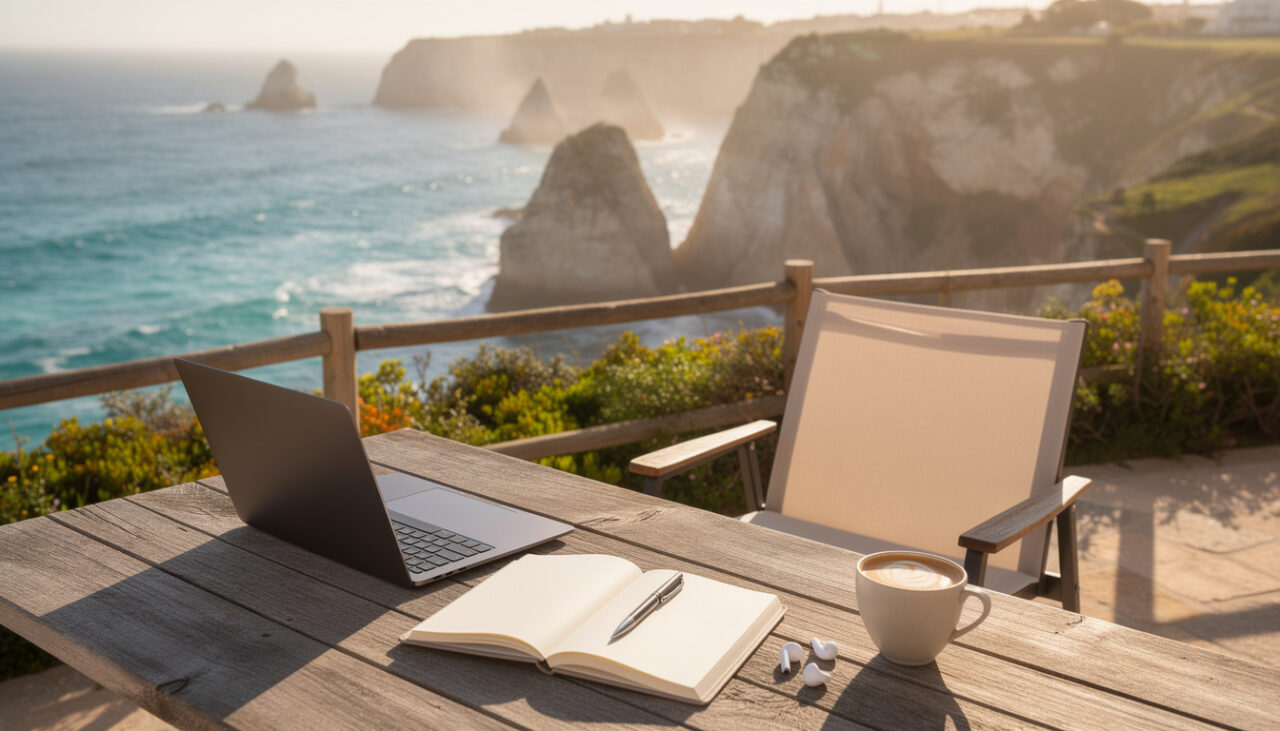
Portugal keeps pulling remote professionals back for the same reasons: sunlit café terraces where laptops glow late into the evening, coastlines where Surfing sessions bookend workdays, and a relaxed culture that somehow makes deadlines feel less suffocating. As Digital Nomad hubs multiply around the globe, this small Atlantic nation quietly sits near the top of every wish list, mixing Affordable Living, Fast Internet, and a warm, open-minded Community. From the cobbled alleys of Lisbon to the wine-soaked riverbanks of Porto and the sand-dusted streets of Peniche, each city offers a distinct rhythm for Remote Work without losing the soul that draws people back.
Over the last few years, Portugal has shifted from “hidden gem” to well-established basecamp, with new co-living houses, purpose-built co-working spaces, and even a dedicated digital nomad village. Remote workers fly in for a season and end up staying far longer, pulled into spontaneous sunset picnics, surf weekends, and late-night conversations under azulejo-covered balconies. This guide dives into the most compelling Digital Nomad spots in Portugal, unpacking where to live, how to move around, and which corners of the country are best when focus, connection, or pure coastal freedom sit at the top of the agenda.
Key points about digital nomad spots in Portugal
- 🌍 Portugal blends Remote Work infrastructure with a laid-back lifestyle, making it one of Europe’s most magnetic countries for Digital Nomad life.
- 🏙 Lisbon delivers buzzing neighborhoods, stylish co-living, and some of the country’s strongest Co-working Spaces, while Porto offers a calmer, cheaper alternative packed with character.
- 🏄 Beach towns like Peniche and Lagos turn workdays into surf retreats, where Surfing before stand-ups and sunset sessions after calls feel completely normal.
- 💶 The mix of Affordable Living, Fast Internet, and walkable historic centers makes long-term stays comfortable, even on a freelancer’s budget.
- 🚆 Excellent trains, buses, and easy car rentals let nomads bounce between cities and coastlines, testing different bases until a spot feels like home.
- 🤝 From tight-knit local crews to international collectives, Portugal’s nomad Community grows every season, supported by events, meetups, and wellness-focused retreats.
Lisbon Digital Nomad Hotspots: Cafés, Hills, and Rooftop Laptops
Lisbon has become shorthand for Digital Nomad culture in Europe: pastel buildings, rattling yellow trams, and terraces stacked on hillsides where keyboards click between espresso refills. The city’s energy suits remote professionals who thrive on movement, conversation, and the constant hum of something happening just around the next corner. Strong public transport, abundant Co-working Spaces, and widespread Fast Internet make it remarkably frictionless to arrive with a suitcase and start working the same afternoon. At the same time, the capital’s layered history—fado bars, miradouros, tiled churches—anchors workdays in something deeper than yet another anonymous café.
Many nomads gravitate to Alfama, where mornings begin with the echo of church bells and the sea breeze slips up from the Tagus. Airbnb apartments hide behind worn wooden doors, offering tiny balconies overlooking São Jorge Castle or the terracotta roofs below. Those who want a slightly flatter neighborhood look to Alcântara, with its converted warehouses, riverside bike paths, and quick access to LX Factory, a creative hub filled with galleries, bookstores, and design studios. Campo de Ourique, more residential and calm, suits remote workers who appreciate good bakeries, quiet streets, and the sense of living among locals rather than visitors.
Lisbon’s co-living scene has exploded, making the first weeks far less lonely for solo arrivals. Houses and hybrid spaces pair bedrooms with shared offices, communal dinners, and organized events. For many newcomers, these setups act as a bridge into the wider Lisbon Community: weekend hikes in Sintra, mastermind circles, language exchanges, even themed potlucks where five nationalities debate the best pasteis de nata in town. The shared experience of Remote Work creates instant common ground; friendships often form faster than in more traditional expat hubs.
On the workspace front, the city spoils residents. From plant-filled hubs to minimalist, Scandinavian-style offices, Lisbon’s Co-working Spaces cover every aesthetic and budget. One highly photographed option, Second Home, almost disappears behind a jungle of greenery 🌿, with desks scattered through glass-walled rooms that feel more like a greenhouse than an office. Open from early morning to late evening on weekdays, it hosts events ranging from surf meetups to wellness workshops, giving nomads a way to balance screen time with movement and mental health. Monthly memberships sit in the mid-to-high local price range, yet still under what many North Americans and Northern Europeans are used to paying.
Those who prefer cafés are equally well served. Neighborhood spots often blend old and new: marble counters, ornate ceilings, and a steady background track of Portuguese, English, French, and German. Power outlets tuck under communal tables, and baristas recognize regulars within a week. This blend of tradition and global influence is one of Lisbon’s quiet superpowers for Digital Nomad life: remote workers slot into the city without erasing its essence. Locals are increasingly accustomed to laptops in cafés, and conversations often drift between talk of football, politics, and startup funding rounds.☕
Of course, Lisbon is not without trade-offs. Popular districts see rising rents, and the city can feel crowded in peak summer. Those who crave solitude might find the constant movement overwhelming. Yet many nomads accept the higher energy as a fair price for inspiration, networking, and the sense that anything can happen on a random Tuesday night. When the pace gets too intense, it’s easy to hop on a short train to Cascais or a bus to Costa da Caparica for a beach reset, proving that a Lisbon base doesn’t mean city life every day of the week.
For remote workers chasing a blend of culture, opportunity, and coastal proximity, Lisbon often becomes more than a stopover—it turns into the emotional “home port” they return to after adventures around the globe.
Co-working culture and nightlife balance in Lisbon
One of the biggest challenges for any Digital Nomad is balance: staying productive without letting the experience of living abroad fade into yet another routine. Lisbon’s answer is to align work and leisure rather than force a trade-off. Many co-working hubs host after-hours rooftop gatherings or panel discussions that morph into social evenings. It’s common to see someone close their laptop at 7 p.m. and, within minutes, raise a glass with the same people they were Slack-messaging earlier.🍷
Nightlife extends beyond bars and clubs. Outdoor cinema sessions, live fado performances, and cultural festivals fill the calendar throughout the year. Remote workers often form small crews—developers, designers, wellness coaches—who rotate between coworking days, beach excursions, and cultural evenings. This rhythm keeps burnout at bay; the city itself nudges residents toward a fuller life, without sacrificing the professional ambitions that brought them here.
Porto for Digital Nomads: Wine, River Views, and Quiet Productivity
If Lisbon is a noisy, sun-drenched extrovert, Porto feels like its introspective sibling, quietly confident and deeply soulful. Remote professionals drawn to slower mornings, long walks along the Douro River, and evenings flavored with port wine often find themselves settling here. The city’s combination of Affordable Living, characterful streets, and growing Co-working Spaces scene makes it a strong alternative for Digital Nomad life, especially for those who value focus as much as fun.
Porto’s weather shapes its rhythm. Winters are cooler and wetter than Lisbon, nudging people indoors to cozy cafés with foggy windows and the aroma of fresh pastries. For some remote workers, this seasonal shift becomes a productivity hack: fewer beach temptations, more deep work. Summers still bring plenty of sunshine, but even in high season, Porto rarely feels as jam-packed as the capital. That breathing space, both literal and emotional, resonates with freelancers and entrepreneurs building long-term projects.
The digital nomad Community here is smaller than in Lisbon but steadily growing. Those who choose Porto often do so intentionally, craving fewer distractions and a more grounded pace. Meetups tend to be intimate: a dozen people gathered at a riverside bar, a handful of designers sharing ideas over brunch, a mastermind session in a co-working lounge. These close-knit interactions encourage collaboration and accountability; it’s not unusual to see a content creator and a developer who met at a meetup launch a shared product a few months later.
Among the city’s co-working options, Typographia stands out as a versatile base. Located centrally, it mixes fixed desks with shared tables and lounge-style seating, including sofas for those who think better when not bolted upright. The layout favors both focused solo work and spontaneous chats in communal areas. Day passes, usually around the cost of a modest lunch, allow short-term visitors to plug in, while monthly memberships at various tiers support longer stays without straining a nomad’s budget. 🔌
Outside scheduled work hours, Porto offers sensory rewards that feel tailor-made for decompressing. Walks across the Dom Luís I Bridge provide sweeping views of tiled facades and terraced wine lodges. Down in Vila Nova de Gaia, tasting rooms introduce newcomers to the nuances of port, where remote professionals debate their favorite styles between calls. These simple rituals—strolling, sipping, watching the river lights—create an emotional bond with the city that goes beyond checklists of “things to do.”
Remote workers who base themselves here often comment on how human Porto feels. Shopkeepers remember faces, café owners ask how a project is going, and neighbors greet each other in apartment stairwells. This sense of being noticed—rather than disappearing into a blur of tourists—can be a quiet antidote to the loneliness that sometimes shadows long-term nomad life. For many, Porto delivers something more grounding than another Instagrammable skyline: it offers a place where work and belonging comfortably overlap.
Co-working Spaces and café culture in Porto
Porto’s work culture rewards those who like routine with artistry sprinkled on top. Cafés double as creative studios, with sketchbooks, Moleskines, and laptops sharing tables. The slower pace means staff rarely rush customers out; a single coffee often buys a couple of peaceful hours. Wi-Fi speeds compete comfortably with other European cities, meeting the expectations of those who rely on video calls and large file uploads.
Beyond Typographia, small independent hubs cater to niche communities: design collectives, social-impact startups, or language-learning circles. Remote professionals can design weekly patterns—two days in a structured co-working office, another day café-hopping, and a deep-focus day working from home. This variety keeps routine from becoming monotony. For Digital Nomads who want European charm with fewer distractions and a softer cost of living than many capitals, Porto quietly checks every box. ✅
Coastal Digital Nomad Spots in Portugal: Peniche, Surf Towns, and Freedom
For some nomads, the ideal workday begins not with a commute, but with cool Atlantic water and a surfboard waxed at dawn. Portugal’s coastline has become a magnet for Digital Nomad travelers who measure time less by deadlines and more by swell charts. Among these surf-friendly towns, Peniche stands out as a compact, wave-washed base where Remote Work and wave chasing coexist. The town’s rugged cliffs, consistent surf, and approachable scale make it easy to create a lifestyle that feels more like a retreat than a routine.
Peniche’s charm lies in its small-town feel. Streets wind slowly past surf shops, bakeries, and low-rise homes, giving remote professionals a sense of neighborhood almost as soon as they arrive. Renting an apartment here usually costs less than in Lisbon or Porto, which leaves more room in the budget for surf lessons, weekend road trips, or simply extra months staying put. The community skews active: surfers, kitesurfers, yoga teachers, and a growing number of remote tech workers whose daily schedule bends around tide times.🏄
Unlike major cities with dozens of Co-working Spaces, Peniche functions with one core hub: Largo Space. This spot has a family-like atmosphere where faces quickly become familiar. Because it’s open 24/7, remote professionals working across time zones can schedule deep-focus sessions at odd hours without feeling out of place. Late-night coders, early-rising marketers, and mid-shift designers share the same kitchen, swapping tips on board rentals between project updates. The lack of multiple venues actually strengthens bonds; people stop collecting options and start building relationships.
Surfing frames life here, even for those who start as complete beginners. New arrivals often sign up for a week of lessons, and before long, the rhythm takes hold: check the forecast over breakfast, squeeze in a morning session, head back to the desk with salt-dried hair and shoulders pleasantly tired. Stand-up paddling, coastal hikes, and beach yoga fill the calmer days when waves soften. This active schedule can do wonders for Remote Work performance; regular movement and sun oxygenate long hours in front of a screen.
The social scene in Peniche feels more like a village than a city, with shared dinners, bonfires on the sand, and board game nights when Atlantic winds pick up. That intimacy helps counter the isolation some Digital Nomads feel in larger urban hubs. People notice when someone disappears for a few days and check in; long-term friendships form not from networking events, but from shared rides to the surf breaks at dawn. For many, these connections become the deepest of their nomad years.
Of course, small-town life brings trade-offs. Shopping options are limited, nightlife is modest, and those craving sophisticated cultural events might miss the museums and galleries of Lisbon or Porto. Yet distance is relative: buses connect Peniche with larger hubs, making occasional “city days” easy to arrange. Some remote professionals choose a hybrid rhythm—several weeks working in Lisbon, followed by a month in Peniche for a more introspective, sea-soaked phase.
For Digital Nomads who prioritize well-being, ocean air, and the freedom to schedule meetings between tides, Portugal’s coast—led by Peniche and mirrored by places like Lagos or Funchal—offers an antidote to over-caffeinated city life. Work still gets done, invoices still go out, but the background soundtrack is waves and seagulls instead of traffic horns.
Other coastal hubs: Lagos, Madeira, and Algarve gems
Beyond Peniche, a series of ocean-facing towns create a dotted line of possibilities. Lagos, in the Algarve, glows with golden beaches, cliffside trails, and a lively summer crowd. Its growing co-working presence and international restaurants make it an easy entry point for those testing coastal Portugal. Meanwhile, the island of Madeira, with its digital nomad village in Ponta do Sol, has become a benchmark worldwide: coliving villas, organized meetups, and jaw-dropping hiking trails all wrapped in subtropical scenery. 🌴
Remote workers often rotate between these spots across a year: a focused winter in Madeira’s mild climate, a buzzing spring in Lisbon, and a relaxed late summer in Peniche or Lagos. Rather than anchoring to one fixed address, Portugal’s coastline invites nomads to design a lifestyle that shifts with seasons and personal priorities, proving that Remote Work can be both professionally sustainable and deeply nourishing.
Practical Life for Digital Nomads in Portugal: Costs, Transport, and Everyday Rhythm
Behind the Instagram views and café shots, everyday logistics decide whether a place truly works as a long-term base. For Digital Nomads, Portugal often feels surprisingly manageable on this front. Groceries, transport, and housing, while higher than some Southeast Asian hubs, remain more approachable than many Western European capitals. The trick lies in understanding local rhythms, choosing neighborhoods carefully, and weaving together trains, buses, and the occasional rental car to unlock the country’s variety.
Accommodation costs vary widely by city and season. Lisbon’s central neighborhoods can test a freelancer’s budget, especially in peak months, while smaller cities like Braga or coastal towns outside summer remain kinder on the wallet. Long-stay deals, coliving arrangements, and off-season rentals allow Remote Work professionals to stretch their euros without sacrificing comfort. Compared to destinations like Paris or Amsterdam, many find they can live well—dining out occasionally, joining gym or yoga studios, exploring weekend trips—without financial strain.
Transport forms the backbone of nomad mobility. Portugal’s train network connects major cities and many smaller towns, covering long distances at reasonable prices. While some carriages feel a bit vintage and air conditioning can lag during heatwaves, the system works. For extra comfort, the Alpha-Pendular line offers faster, smoother journeys, usually for just a few euros more than standard intercity options. Many nomads ride regular trains between Lisbon and Porto for workweeks, then treat themselves to Alpha-Pendular upgrades for more relaxed travel days.🚆
Within cities, trams and metros keep days simple. Lisbon’s iconic tram 28, rattling through Alfama, Baixa, and Chiado, doubles as both public transport and sightseeing—though most locals prefer less crowded lines once the novelty wears off. Daily transit passes bundle buses, metro, and trams for a single, budget-friendly price, ideal for nomads spending a month or more in town and wanting to explore without counting every ride.
Buses play a bigger role between regions. Long-distance coaches often outpace trains, arriving quicker and covering more routes, especially to inland towns or smaller coastal villages. Rede Expressos and similar services support online booking and e-tickets, sparing travelers the scramble at physical counters. Shorter local buses might not list schedules online, turning tourist offices and station kiosks into vital information points. Remote workers who adapt to this balance of digital and analog planning unlock far more of the country than those who only rely on rail.
Car rentals add another dimension. For city living alone, owning or renting a car rarely makes sense—parking headaches and strong public transit make shuttling through Lisbon or Porto easy enough. Yet for weekend escapes or slow-travel road trips, hiring a compact car transforms the experience. Driving through the Alentejo’s rolling plains, stopping at whitewashed villages or hidden wineries, or tracing the wild western coast gifts Digital Nomads a sense of discovery that buses and trains sometimes miss.
To visualize how different bases feel for day-to-day life, this comparison helps:
| City 🏙️ | Typical Monthly Rent (1-bed, central) 💶 | Nomad Vibe 😎 | Transport Convenience 🚍 |
|---|---|---|---|
| Lisbon | €1,200–€1,700 | Energetic, social, startup-heavy | Excellent metro, trams, trains |
| Porto | €900–€1,300 | Creative, slower pace, cozy | Good metro, buses, trains |
| Peniche | €600–€900 | Surf-focused, tight-knit | Regional buses, walkable town |
| Braga | €700–€1,000 | Calm, studious, local feel | Solid trains and buses |
Daily life also means small routines: picking a favorite bakery, discovering a nearby park for midday breaks, finding a yoga studio or climbing gym. Remote professionals often stitch personal rituals into their schedules—a morning walk along the Tagus, a weekly language class, a regular co-working meetup—to create a sense of home. For some, Portugal becomes the benchmark for comfortable nomad living: structured enough to feel reliable, relaxed enough to breathe.
Balancing Portugal with other European bases
Many Remote Work travelers use Portugal as one anchor point in a broader European rotation. They might spend spring in Porto, summer near the ocean, and autumn exploring another country, such as Poland, which has its own rising cities for remote professionals. Resources like guides to visiting Poland help nomads compare living costs, visa options, and quality of life across the continent.
This multi-base lifestyle keeps experiences fresh and avoids overstaying in a single place. Still, for a growing number of Digital Nomads, Portugal repeatedly draws them back, earning a special status as their default European “home,” even as their passports fill with other stamps.
Under-the-Radar Digital Nomad Cities: Braga, Coimbra, and Beyond
While Lisbon and Porto soak up most of the spotlight, a collection of smaller Portuguese cities quietly offer some of the best conditions for focused Remote Work. Behind ornate church facades and leafy plazas, places like Braga and Coimbra balance academic energy, strong safety records, and a gentler cost of living. For Digital Nomads who feel drained by big-city overstimulation, these destinations provide breathing room without giving up cultural depth.
Braga, often nicknamed the “Rome of Portugal” for its abundance of churches and religious heritage, blends old-world architecture with a youthful atmosphere. University students fill cafés with notebooks and laptops, creating a natural synergy for self-employed professionals on their own study-like missions. Streets remain lively but rarely hectic, and evenings often center around relaxed dinners or small local events rather than rowdy nightlife. For solo travelers, one of Braga’s biggest draws is its reputation for safety, which encourages evening walks and late study sessions without anxiety. 🕊️
The city’s co-working ecosystem centers around spaces like ER Braga, a traditional office-style environment with shared kitchens and 24/7 access. Day passes cost roughly what many people spend on a single dinner out, while monthly memberships stay comfortably below big-city rates. Members talk about the warmth of the staff and the sense that newcomers are noticed and supported. This creates a stabilizing feeling for Digital Nomads tackling demanding projects, from product launches to thesis writing.
Coimbra, another gem, leans heavily into its academic identity. As home to one of Europe’s oldest universities, the city overflows with student life, bookstores, and quiet study corners. Remote professionals who love libraries, classical architecture, and riverfront strolls often find the environment deeply conducive to long-term focus. Nights may involve small concerts, poetry readings, or simply lingering in cafés where conversation drifts between philosophy and code. ⚖️
Other towns—Aveiro with its canals and pastel boats, Faro as a gateway to the Algarve, or even mid-sized centers inland—offer their own mix of charm and low-key infrastructure. None yet rival Lisbon’s density of Co-working Spaces or nomad-specific events, but for many Remote Work travelers, that’s a selling point. Fewer organized meetups push people to build friendships organically, whether through sports clubs, language exchanges, or recurring encounters at local markets.
Choosing between these quieter cities and better-known hubs comes down to personal rhythm. Some nomads divide their year strategically:
- 📚 Deep work phase: 1–2 months in Braga or Coimbra, focused on big deliverables.
- 🌊 Recharge phase: time on the coast in Peniche, Lagos, or Madeira, mixing work with Surfing and hiking.
- 🤝 Networking phase: stints in Lisbon or Porto, packed with meetups, events, and collaborations.
This rotation keeps burnout at bay and uses each city’s strengths. Portugal’s compact size and decent public transport make such a strategy viable without complicated logistics. Train rides between cities rarely stretch beyond a few hours, turning relocation days into scenic mini-retreats rather than stressful marathons.
For Digital Nomads willing to step off the obvious path, these under-the-radar spots offer a reminder: Remote Work doesn’t always need skyline views and rooftop cocktails. Sometimes, the most productive and meaningful chapters unfold in quiet plazas, under the watchful gaze of centuries-old stone statues, where life moves at a walking pace and deep focus finally has room to bloom.
Weaving Portugal into a wider nomad journey
Smaller Portuguese cities also fit neatly into broader journeys. Some nomads pair time in Braga or Coimbra with stretches elsewhere in Europe’s emerging remote-work map, from Mediterranean islands to Central European capitals. Curated travel resources—similar in spirit to those that encourage people to explore Poland’s cities—help travelers weigh their options and stitch together routes that suit their goals and budgets.
Again and again, Portugal tends to reappear on those itineraries, not as an isolated trip, but as a recurring theme, offering grounding, familiarity, and a sense of gentle continuity in the ever-shifting life of a Digital Nomad.