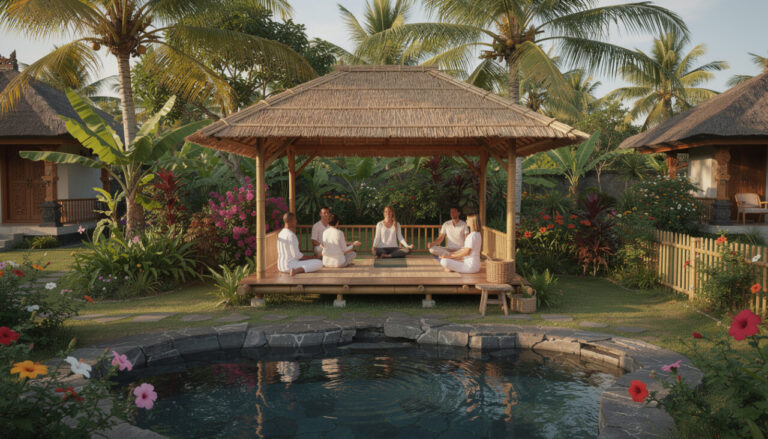
Wellness Getaways in Thailand: Relaxation and Culture
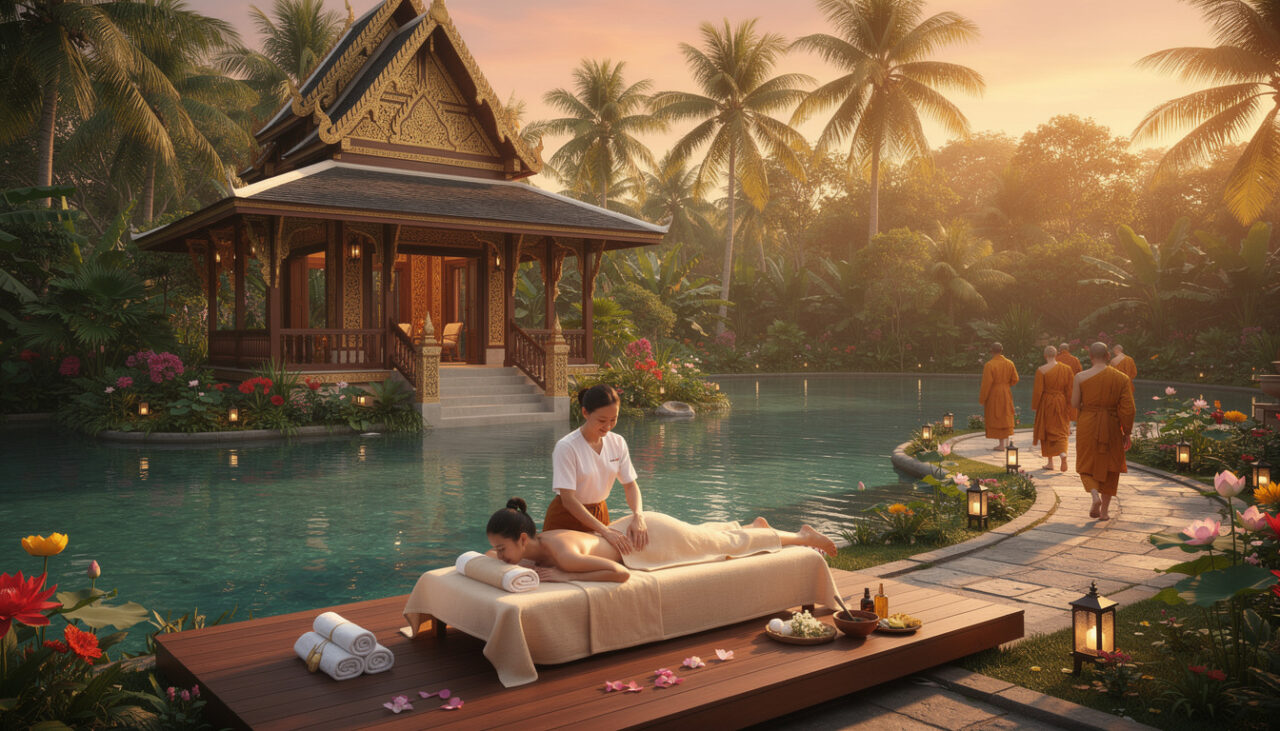
Wellness getaways in Thailand weave together relaxation, ancient healing arts, and vibrant culture in a way that few destinations can match. From jungle-clad islands in the Gulf to misty temples in the north, the country has quietly evolved into a global sanctuary for travelers who want more than just a beach tan. These retreats invite guests to reset their nervous system with yoga, meditation, and hands-on spa therapies, while Thai hospitality softens even the most stressed-out city mind. Whether someone arrives burned out from back-to-back video calls or simply curious about holistic rituals, Thailand answers with tropical air, barefoot mornings, and evenings scented with frangipani. Wellness getaways here are not about escaping life, but about returning to it clearer, lighter, and more connected to every sense.
Key points about wellness getaways in Thailand 🧘♀️🇹🇭
- 🌴 Thailand’s best wellness getaways balance relaxation, culture, and scenic locations, from Koh Samui’s cliffs to Phuket’s coves and Chiang Mai’s hills.
- 💆♂️ Retreats such as Vikasa, Six Senses, and Chiva-Som blend spa rituals, yoga, meditation, and medical-grade healing into tailored programs.
- 🍍 Wellness cuisine focuses on fresh, mostly organic Thai ingredients, with detox menus, plant-based options, and nourishing comfort dishes.
- 🏝 Beachfront sanctuaries, rainforest pool villas, and “yoga caves” offer varied atmospheres, from social communities to silent, tech-free escapes.
- 🚗 Practical tips cover seasons, budgets, transport, and even using tools like cheap global flight apps to reach Thailand without draining savings.
- 🧭 The article moves from coastal retreats to spa rituals, yoga and meditation havens, food-as-medicine, and smart planning advice for a deeply restorative journey.
Beachfront wellness getaways in Thailand for deep relaxation and culture
Along Thailand’s coasts, wellness getaways wrap relaxation around the rhythm of the tides. On Koh Samui, cliffside enclaves such as Vikasa open onto sweeping views of the Gulf, where sunrise classes on open-air decks become a daily ritual. Guests ease into gentle yoga flows as fishing boats glide across the horizon, each inhale flavored with sea breeze and the faint scent of coconut. Rather than a faceless resort, Vikasa feels like a barefoot village: shared buffets of clean, colorful food, impromptu conversations after class, and the comforting buzz of people on the same healing wavelength.
Families gravitate toward Samui’s softer beaches and shallow bays. Many retreats now design kids’ mindfulness corners, with simple breathing games and playful stretching, so parents can savor a longer spa treatment without guilt. A mother who has spent months juggling remote work and school runs might book a week-long package here and watch her child learning to follow the sound of a Tibetan bowl instead of a tablet notification. Those shared memories often outlast any souvenir.
On Phuket’s Emerald Bay, Rosewood Phuket spreads along 600 meters of shoreline where the sea glows aquamarine by day and indigo at dusk. Here, polished architecture meets relaxed island energy: pool villas cascade down lush slopes, while the Asaya wellness center offers integrative programs combining movement, bodywork, and emotional support. Guests might start with an early swim in a private pool, continue with a body analysis session, and end with a sunset sound bath on the sand. The bay becomes both landscape and therapist.
Phuket also hides wilder escapes, such as Keemala, where all-villa “nests” peek out from rainforest canopies. Guests walk to breakfast along wooden pathways, hearing cicadas instead of traffic. Holistic programs here use forest walks, herbal compresses, and ancestral storytelling to nudge the nervous system into repair mode. Someone arriving with chronic tension might be guided through a series of treatments that connect each knot in the shoulders with patterns of overwork and disconnection, using nature as the backdrop for new habits.
Not far away, Banyan Tree Phuket stretches around a serene lagoon. Its villa-only layout and iconic Asian spa culture attract those who prefer privacy. The brand’s signature therapies—Royal Banyan, Chevit, Cheva—layer warm herbal poultices, rhythmic pressure, and aromatic oils. Guests who book multi-day packages often talk about sleeping more deeply than they have in years, their minds soothed by the combination of water, greenery, and consistent therapeutic touch.
Koh Yao Noi, accessible by boat from Phuket, delivers a slower rhythm. At Six Senses Yao Noi, villas nestle in jungle folds with private pools gazing over limestone karsts. Days unfold between outdoor showers, jungle meditation, and spa journeys built around the four elements—earth, water, fire, air. A guest might spend a morning in a clay wrap and herbal steam, an afternoon kayaking between islets, and an evening journaling on a starlit terrace. Here, the line between “retreat program” and ordinary life gently dissolves.
For travelers worried about logistics, coastal regions are well connected: Samui and Phuket host international airports, and boat transfers to nearby islands are frequent. Booking flights via platforms like independent budget airline reviews helps travelers compare low-cost carriers and redirect savings into extra nights or upgraded therapies. However someone reaches these shores, the real journey begins when phone signals fade behind the sound of waves.
Beachfront wellness in Thailand shows how relaxation can be both luxurious and deeply human: sandy feet, unhurried breakfasts, and the subtle cultural thread of Thai kindness woven into every encounter.
Holistic Thai spa rituals and healing traditions at wellness retreats
Behind every legendary Thai spa lies a lineage of village healers, herbalists, and temple caretakers who understood the body as a living map. Wellness getaways across Thailand tap into that heritage, reimagining it with contemporary comfort. At Six Senses Samui, guests wander from an infinity pool that drops into the Gulf’s blue expanse to treatment villas tucked among trees. A therapist may blend coconut oil, lemongrass, and tamarind into a bespoke scrub, each ingredient chosen not only for fragrance but for digestive support, circulation, or skin renewal.
Traditional Thai massage—Nuad Boran—remains the backbone of many retreats. Practitioners use palms, thumbs, elbows, and even feet to apply dynamic pressure along energy lines, stretching limbs in slow, deliberate arcs. Rather than passively “receiving” a massage, the guest becomes a partner in movement. At Banyan Tree or Amanpuri, sessions might begin with a foot-washing ritual in warm, herb-infused water, signaling respect for the journey that carried the guest there. The subtle bow that follows speaks a cultural language of humility and presence.
On Bang Krachao, the green island just across from Bangkok’s urban sprawl, RAKxa Wellness and Medical Retreat pushes this tradition into a new era. Here, ancient diagnostics meet cutting-edge medicine: guests undergo detailed health assessments, from blood markers to posture analysis, before a team crafts a personalized plan. A corporate executive on the verge of burnout may be assigned Thai massage for tension, acupuncture for sleep, and nutrition counseling focused on balancing blood sugar. Organic meals, designed by chefs and nutritionists, reinforce each session.
Seasonality shapes the sensory experience. During the rainy months, herbal steam rooms and warm oil massages feel especially nurturing, cocooning the body against cooler air. In the dry, breezy season, open-air salas allow treatments to unfold to the sound of birds and rustling palms. Some retreats even sync their menus with local harvests, offering tamarind-elixir detox days when the fruit is sweetest and least acidic.
To compare different types of Thai wellness retreats and their healing focus, the table below can help travelers pick a starting point for their own journey:
| Retreat style 🌺 | Main focus 💡 | Signature healing element 🧪 | Ideal guest type 🙋♀️ |
|---|---|---|---|
| Beachfront spa resort (e.g., Six Senses Samui) | Deep relaxation with ocean views | Warm oil massages + herbal compresses 🌿 | Couples, friends, honeymooners 💞 |
| Medical wellness retreat (e.g., RAKxa) | Evidence-based healing & longevity | Lab diagnostics + Thai and integrative therapies 🧬 | Burned-out professionals, health-focused travelers 🧠 |
| Holistic rainforest sanctuary (e.g., Keemala) | Mind–body–nature connection | Forest bathing + energy work 🌳 | Creative spirits, spiritual seekers 🔮 |
| Sports and health resort (e.g., Thanyapura) | Performance and recovery | Physio support + contrast hydrotherapy 🏊 | Active travelers, athletes, biohackers 🏃♂️ |
Retreats like Amatara Welleisure Resort on Cape Panwa specialize in all-inclusive wellness packages. Guests choose themes—detox, weight management, family wellness—while professionals track progress. Someone selecting a detox stay might move through colon hydrotherapy, lymphatic drainage, and herbal tonics, with gentle yoga supporting the process. Another guest might focus on spine health and opt for posture clinics and targeted bodywork instead.
Amanpuri’s Holistic Wellness Centre, overlooking a flawless white-sand bay, often feels like a quiet laboratory of transformation. Programs here can revolve around stress reset, digital detox, or spiritual grounding, mixing craniosacral therapy, Thai medical wisdom, and breathwork. Guests leave with tailored follow-up plans, not just vague promises.
As more travelers seek authenticity, retreats emphasize local ingredients and community. Goat farms at Six Senses Samui let guests collect fresh eggs for breakfast, reminding them that food, like touch, is part of healing. Many spas source herbs from on-site gardens or nearby farmers, creating short, transparent supply chains. The result is a wellness experience that honors both the guest’s body and the land it rests upon.
Thai spa culture turns wellness into a living story: each aromatic compress, each respectful bow, each bowl of herbal tea reinforces a message—the body knows how to heal when given time, touch, and sincere care.
Yoga and meditation havens in Thailand’s wellness landscape
Beyond treatment tables, Thailand’s wellness getaways beat to the slow pulse of yoga and meditation. On Koh Samui, retreats such as Absolute Sanctuary and Samahita treat movement as medicine. Absolute Sanctuary brands itself as Asia’s wellness fitness resort, offering more than twenty structured programs: Pilates reformer intensives, core training, detox tracks, and yoga immersions. Guests who once felt intimidated by studio culture often discover here that progress is measured not in perfect poses, but in how the body feels stepping out of bed each morning.
Samahita, founded in 2003 along a quiet Samui beach, radiates a simpler kind of luxury: clean rooms, sea breezes, and a schedule that threads together yoga, breathwork, and functional fitness. Its “One Rate–Any Date” model allows guests to arrive when life permits and stitch together their own rhythm of classes, meditation, and rest. The mood is communal without being forced—shared meals of sugar-free, nutrient-dense Thai dishes become conversations about sleep, purpose, and resetting expectations.
In the mountains around Chiang Mai and Pai, yoga centers hide among rice fields and teak forests. Early classes unfold in open pavilions as monks chant in distant temples. Travelers who arrive wired from big cities often describe their first silent sunrise sit here as a turning point: anxiety feels less like a permanent state and more like a weather pattern passing through. Silent retreats, where phones are surrendered and conversations paused, give space for deeper layers of awareness to surface.
To help travelers picture how a day can unfold at a Thai yoga and meditation haven, consider this simple structure:
- 🌅 Morning: Sunrise meditation and gentle flow class on a sea-view or jungle deck.
- 🥗 Late morning: Nourishing breakfast bowl, herbal tea, and time for journaling.
- 📚 Afternoon: Workshop on breathwork, Thai philosophy, or emotional resilience.
- 💆♀️ Late afternoon: Thai spa treatment or herbal steam to release stored tension.
- 🌇 Evening: Restorative yoga and candlelit sound healing session.
- 🌌 Night: Screen-free wind-down with books, stargazing, or quiet beach walks.
On Phuket’s Cape Yamu, COMO Point Yamu anchors its identity in COMO Shambhala wellness. Complimentary group yoga sessions run most days, while private classes help guests refine alignment or explore new styles. Afterward, they might eat at the property’s Thai or Italian restaurant, where dishes from the COMO Shambhala menu emphasize light, high-vitality ingredients rather than rigid rules.
Even sports-forward resorts get in on the contemplative side of wellness. Thanyapura, known for its athletic training facilities and lifestyle medicine programs, uses yoga and guided meditation to complement high-intensity workouts. Athletes recovering from injury or preparing for competition learn how mental focus, breath control, and relaxation drills can translate directly into better performance and reduced burnout.
Many solo travelers choose Thailand specifically to join group classes that feel less transactional and more community-based. Meeting fellow guests on the mat often leads to friendships that extend beyond the retreat. For those nervous about venturing out alone, resources like solo travel community guides offer ideas for connecting with like-minded people before or after a retreat, turning a solitary journey into an uplifting network.
Across all these spaces, yoga and meditation act as quiet anchors. While styles differ—dynamic vinyasa by the sea, yin in candlelit halls, mindfulness sits beneath bodhi trees—the underlying promise remains the same: a clearer mind and a body that moves with less resistance and more joy.
Wellness cuisine in Thailand: food as relaxation and cultural connection
In Thai wellness getaways, the kitchen is as therapeutic as the spa. Meals are composed not just to fill hunger, but to support healing and showcase local culture. At Samui’s retreats, buffets might spotlight jackfruit curries, papaya salads prepared with lighter dressings, probiotic-rich pickles, and fragrant brown jasmine rice. Guests who arrive wary of “healthy food” often leave raving about how light yet satisfied they feel, no calorie counting required.
At Vikasa, the Life Café becomes a hub of color: smoothie bowls topped with tropical fruit, raw desserts sweetened with dates rather than refined sugar, and hearty plant-based mains that keep energy stable through back-to-back yoga sessions. Each dish carries a story about where its ingredients were grown, underscoring the connection between soil, farmer, cook, and guest. The act of dining turns into a quiet ceremony of gratitude.
Absolute Sanctuary takes a more structured approach with tailored food programs. Guests on detox tracks might sip green juices, vegetable broths, and gentle herbal infusions for a few days, supported by professionals who monitor their responses. Those on weight management or fitness-focused stays receive balanced plates rich in lean protein, fiber, and slow carbohydrates. Far from being restrictive, these menus feel generous, using lemongrass, kaffir lime, and holy basil to keep flavors bright and comforting.
At RAKxa, medical diagnostics inform food prescriptions. A guest with insulin resistance may be guided toward lower-glycemic Thai dishes, while someone dealing with inflammation might be offered turmeric-rich curries and coconut-based soups that soothe the gut. Chefs collaborate with doctors and nutritionists, bridging the sensory pleasure of Thai cuisine with precise health goals. Eating becomes a form of coherent self-care rather than discipline.
On the Andaman side, Amatara Welleisure Resort and Amanpuri lean into culinary artistry. Amatara’s three restaurants present Cape Panwa’s coastal bounty in health-focused ways, like grilled fish with pandan-infused rice and wild greens. Amanpuri’s resident Thai chefs can adapt menus to guests’ requests, whether that means low-FODMAP curries, plant-based tasting menus, or probiotic-rich desserts. Private villa dining turns each meal into a personalized ritual—bare feet, ocean hush, and plates that look like small landscapes.
Banyan Tree Phuket emphasizes ethically sourced ingredients. Dinners might spotlight line-caught seafood, organic vegetables from nearby farms, and rice varieties from heritage growers. Guests hear about these partnerships, gaining an appreciation for how their choices support local ecosystems. The act of choosing a dish becomes a vote for sustainable practices, which adds a subtle emotional satisfaction to each bite.
Different seasons bring different comforts. During cooler, rainy periods, retreats favor warming soups like tom kha with extra galangal and ginger, along with herbal teas targeting immunity—think bael fruit, roselle, and pandan. Hotter months call for hydrating options: young coconuts, cucumber salads, and lightly spiced curries that don’t weigh down the body before an afternoon meditation or sea swim.
For travelers worried about dietary needs—vegan, gluten-free, low-sugar—Thailand’s wellness scene in 2026 is remarkably accommodating. Retreats are used to crafting bespoke menus and often consult guests ahead of arrival, making room for allergies or therapeutic diets. Many publish sample menus online, a reassuring step for anyone planning a longer stay centered on metabolic health or gut repair.
The real magic of wellness cuisine in Thailand lies in how it reframes “eating well” as an act of pleasure and cultural discovery. Guests learn that comforting food can be light, that familiar dishes can be tweaked without losing soul, and that each meal is another opportunity to nourish not only the body, but the sense of belonging in a new place.
Planning your Thai wellness retreat: seasons, budgets, and cultural connection
Transformative wellness getaways in Thailand start long before check-in. Thoughtful planning shapes how deeply someone can relax, how much of the local culture they can absorb, and how sustainable the trip feels on both financial and emotional levels. The first decision is timing. The cool, dry season from roughly November to early April suits those who want plenty of outdoor yoga, hikes, and beach time, with clear skies and easier heat. Shoulder months can reward flexible travelers with quieter resorts and softer prices, while the greener, rainy season offers moody skies, fewer crowds, and a more introspective atmosphere—perfect for spa-heavy or meditation-focused stays.
Budget shapes the kind of experience available. Iconic names like Chiva-Som, Amanpuri, or RAKxa deliver high-touch service and comprehensive programs with price tags to match. Mid-range sanctuaries such as Absolute Sanctuary, Samahita, or family-friendly sections of larger resorts still offer robust wellness menus at more accessible rates. Using tools like curated last-minute summer deals or flight-finding apps can free up part of the budget for extra nights or premium treatments instead of funneling everything into airfare.
Transport within Thailand is straightforward, but worth aligning with personal stress thresholds. Some guests fly directly into Phuket or Samui and transfer by car to their retreat, keeping travel simple. Others enjoy weaving a cultural stop in Bangkok or Chiang Mai into the journey, visiting temples, markets, and museums before retreating to the coast or countryside. Renting a car may suit independent travelers moving between multiple retreats, while shared shuttles and pre-arranged transfers ease the mental load for those who want to switch off from logistics.
Cultural curiosity elevates any wellness stay. Learning a few Thai phrases—“sawasdee kha/krub” for hello, “khop khun” for thank you—opens smiles and deepens connection with staff. Understanding that the traditional wai greeting, palms pressed together, is a gesture of respect encourages guests to slow down and meet people eye to eye. Visiting a local temple respectfully, with shoulders and knees covered, and watching monks collect morning alms can become a quiet complement to sunrise meditation back at the retreat.
Retreats often facilitate meaningful interactions beyond their walls: guided visits to village markets where guests choose herbs for that day’s spa steams, cooking classes with home-style recipes, or beach clean-ups that turn relaxation into stewardship. These activities shift the narrative from “consuming” wellness to participating in a broader ecosystem of well-being that includes communities and nature.
Packing for a Thai wellness journey calls for both practicality and intention. Breathable clothing for movement classes, a lightweight shawl for temple visits and cool evenings, swimwear, and sandals form the core wardrobe. Earplugs and a sleep mask support rest in new environments. A journal, favorite paperback, or even a small sketchbook encourages reflection during screen-free hours. Many retreats provide yoga mats and props, so guests can travel lighter.
Setting expectations might be the most underrated planning step. Approaching the retreat as a chance to experiment, rather than to “fix” everything in a week, reduces pressure. Guests who allow themselves to be surprised—by a new dish, by tears released during a massage, by an unexpected friendship—tend to leave with more than they originally sought. Wellness, after all, rarely unfolds in straight lines.
As Thai wellness culture matures, more retreats are embracing sustainability: solar energy, reduced single-use plastics, local hiring, and support for conservation projects. Choosing properties that transparently share such efforts lets guests align their own values with the places they rest. Those inspired by this approach often go on to explore eco-focused escapes elsewhere, such as sustainable cabins in the Alps, extending the wellness journey across continents.
Thoughtful planning turns a Thai retreat from a pleasant holiday into a personal milestone. When seasons, budget, transport, and cultural openness all align, the Land of Smiles becomes a mirror, reflecting back a calmer, clearer, more grounded version of the traveler who stepped off the plane.