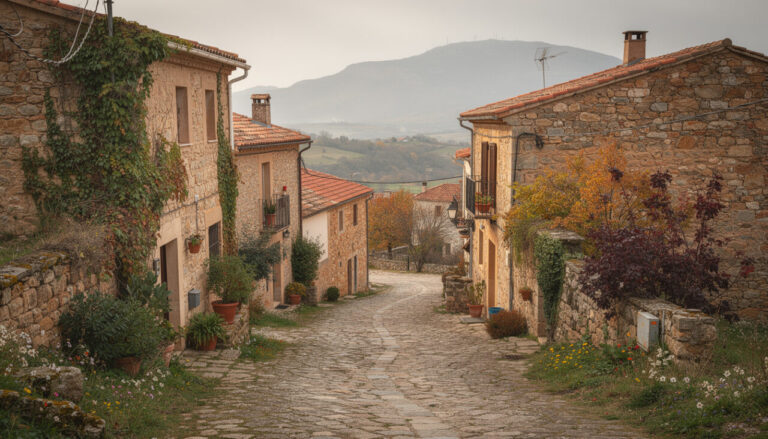
Emerging Destinations: Why Visit Poland Now
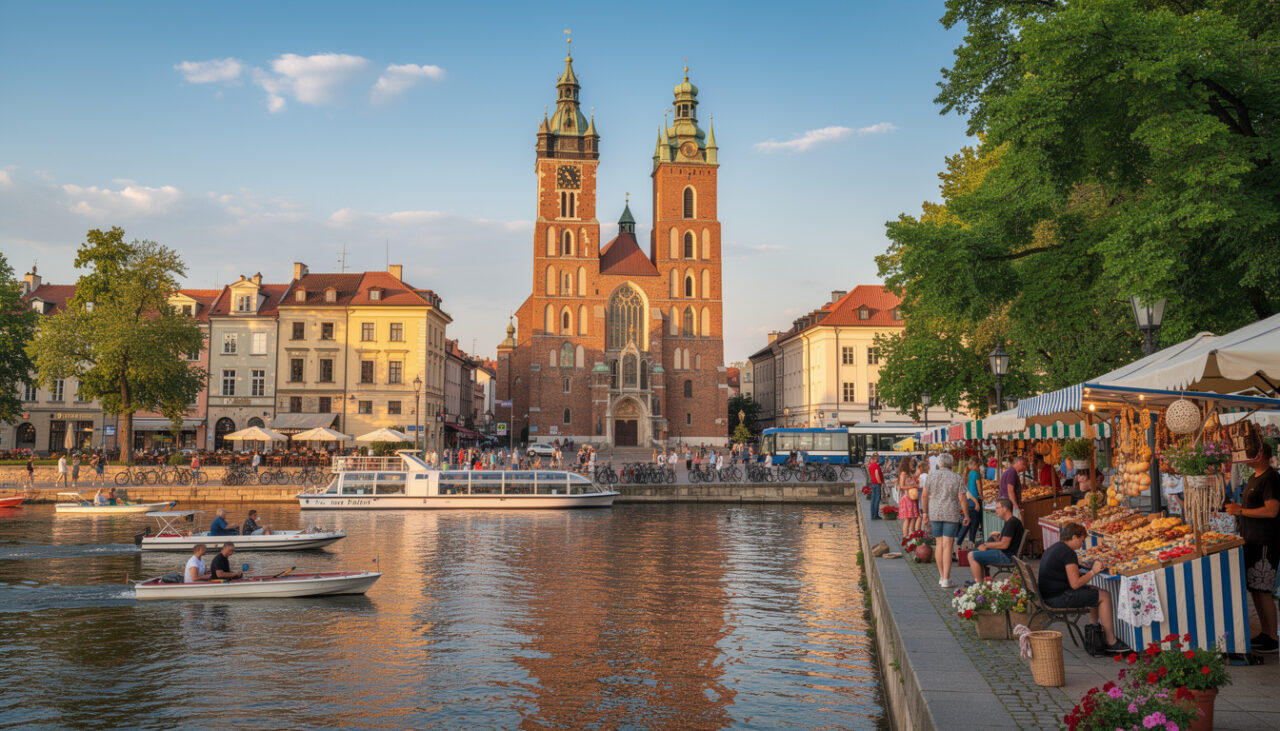
Poland has shifted from under-the-radar to headline material on Europe’s travel map, and the timing could hardly be better for curious travelers. With Travel & Tourism on track to beat pre-2020 records in both GDP contribution and domestic travel, the country blends buzzing cities, serene nature, and a growing luxury scene without the eye-watering price tags found elsewhere. Those watching Travel Trends see Poland moving from “next” to “now”: an Emerging Destination where Cultural Heritage, design hotels, wellness retreats, and inventive Polish Cuisine are all evolving at high speed. While classic favorites like Kraków and Gdańsk draw the crowds, an entire layer of Hidden Gems Poland—from Baltic spa towns to mountain hamlets—waits just beyond the obvious postcard views.
At the same time, the country’s tourism sector is powering a broader economic story. New rail connections, revitalized stations, design-forward boutique hotels, and smart destination marketing are transforming Poland Travel into an unexpectedly refined experience. Those seeking meaningful journeys rather than box-ticking sightseeing find plenty of depth: poignant Historical Sites, contemporary art, cutting-edge gastronomy, and soulful wellness experiences built around forest walks, thermal waters, and slow travel. Whether the goal is an off-season “coolcation,” a budget-friendly European sampler, or bold Adventure Tourism in the Tatras, travelers who Visit Poland right now discover a country that feels both grounded in tradition and confidently future-focused.
Key points about Emerging Destinations: Why Visit Poland Now
- 🇵🇱 Poland Travel is booming: tourism is projected to contribute over PLN 165.5BN to GDP in 2025, surpassing pre-pandemic levels and cementing Poland as one of Europe’s standout Emerging Destinations.
- 🏙️ City breaks with character: Warsaw, Kraków, and Gdańsk balance Historical Sites, street culture, and design hotels, offering serious value compared with Western Europe.
- ❄️ Winter wonderland credentials: Christmas markets in Kraków and Warsaw, plus snowy mountain escapes, are turning Poland into a sought-after winter destination of choice.
- 🥟 Polish Cuisine goes gourmet: from pierogi and barszcz to tasting menus and wine bars, food lovers can explore both tradition and innovation without breaking the bank.
- ⛰️ Adventure Tourism & Hidden Gems Poland: lakes, forests, Baltic beaches, and the Tatras create year-round scope for hiking, skiing, sailing, and slow escapes.
- 💶 Smart value for 2026 travel trends: flights, hotels, and dining remain more affordable than many EU neighbors, making this an ideal moment to Visit Poland before it gets crowded.
Emerging Destinations in Europe: How Poland Became the Coolcation Capital
Poland’s rise among Europe’s Emerging Destinations has been quietly building for years, but the last few seasons flipped the script. Travelers frustrated with overheated Mediterranean summers began seeking cooler cities, cleaner air, and less crowded streets. Poland, with its temperate summers and atmospheric winters, stepped neatly into that gap. Bookings surged, and by 2025 the World Travel & Tourism Council expected the sector to contribute around PLN 165.5BN to national GDP—around 4.4% of the economy and ahead of the previous 2019 record. That’s not just a tourism story; it’s a sign of a country learning how to host the world with confidence.
The EU-wide context shows why this stands out. While the European Union’s tourism sector continues to grow—hovering near €1.9 trillion in GDP impact—Poland is one of the clearest examples of a nation catching up and then sprinting ahead. Domestic travel has led the charge, reaching projected levels almost 11% above 2019 spending. Locals rediscovered their own backyard, from Masurian lakes to the Bieszczady Mountains, and in doing so they helped polish the experience for international visitors arriving later. That internal momentum gives Poland Travel a stability many purely inbound destinations lack.
One recurring character in this transformation is the urban weekend traveler. Picture a couple from Lisbon or Copenhagen scrolling through flight search engines: ticket prices to Warsaw or Kraków come in lower than Rome or Paris, and the average airfare during peak festive periods has dropped further, sometimes by double digits for long-haul routes ✈️. Short-haul Europeans find returns hovering around the €120 mark, sometimes less, and when they start checking hotel prices, they realize a stylish boutique stay in Poland often costs what a basic room would in more famous cities.
Local governments and tourism boards recognized this shift and leaned into it. Investment in rail and airports improved connectivity, particularly from hubs like Bucharest, Amsterdam, and Stockholm. Carriers such as LOT, Wizz Air, and Ryanair stitched together a dense web of routes, meaning that a spontaneous decision to Visit Poland now looks as easy as a quick hop across the continent. Infrastructure upgrades—refreshed train carriages, renovated stations, smoother road networks—quietly raised the overall experience without eroding the country’s unpretentious character.
At the heart of the “coolcation” surge, though, lies climate and mood. Summers remain warm enough for café terraces and lakeside swimming, yet cool enough to avoid the heat stress plaguing some southern destinations. Cities like Gdańsk and Wrocław now attract those seeking gentle sunshine, riverside walks, and cultural events, instead of crowds packed shoulder-to-shoulder on a burning beach. Travelers report feeling they get an “authentic Europe” vibe: fewer souvenir megastores, more neighborhood bakeries, cinema-in-the-yard screenings, and streets where Polish remains the dominant language.
Looking ahead to 2035, forecasts suggest the sector could reach PLN 221.8BN in GDP contribution, with close to a million jobs tied to tourism. Those numbers point to long-term relevance rather than a short-lived trend. For visitors deciding where to allocate limited vacation days, that matters: they’re not just chasing a fleeting Travel Trend, but tapping into a destination steadily rising into Europe’s top tier.
The takeaway is clear: Poland’s place among Europe’s Emerging Destinations is no longer speculative. Those who discover it now experience a sweet spot—well-developed but not oversaturated, forward-looking yet firmly rooted in its own story.
City Stars: Warsaw, Kraków, and Gdańsk as Next-Gen City Breaks
The gateway to contemporary Poland Travel often starts with its three headline cities, each bringing a different mood. Warsaw feels like the European phoenix: a skyline of shining glass anchored by palaces, reconstructed townhouses, and gritty corners where street art blooms. Visitors drop into rooftop cocktail bars, then step out next morning into leafy parks that feel carved out of an older world. Kraków centers on atmosphere: the largest medieval square in Europe, churches that glow at dusk, and a calendar heavy with cultural events. Gdańsk, meanwhile, delivers waterfront romance and maritime history, with colorful facades reflecting on Motława River and easy escapes to Baltic beaches.
These cities combine Historical Sites—royal castles, museums, synagogues, shipyards—with a modern lifestyle that mirrors any European capital. Digital nomads work from specialty coffee shops, local designers show in concept stores, and a new school of chefs reworks Polish Cuisine into tasting menus and wine pairings. The price difference compared with Paris or Vienna often surprises visitors: the same budget buys central accommodation, theatre tickets, and high-quality dining rather than forcing compromises at each step.
Travelers following Travel Trends love how easy these cities are to mix and match. Fast trains link Warsaw–Kraków in under three hours, and routes to Gdańsk ripple up the map, allowing a triangle itinerary in less than a week. A Romanian traveler named Andrei, for instance, stitched together four nights across Warsaw and Gdańsk, flying into one city and out of the other, with flights so affordable that accommodation became the main cost. His experience—morning museum visits, afternoon Baltic walks, and evenings of craft beer and jazz—captures what many visitors now seek: variety without chaos.
While headline attractions get plenty of attention, side streets are where many fall for Poland. A courtyard bar in Kazimierz, an offbeat poster museum near Warsaw’s metro, a former shipyard reimagined as a creative hub in Gdańsk—these places lift trips from generic to memorable. Each city has layers shaped by war, resistance, and reinvention, and that complexity gives visits a depth that sits comfortably alongside the fun.
Those who arrive chasing low prices often leave talking about something else entirely: a sense of resilience and renewal baked into everyday life. For many, that emotional undercurrent becomes the reason they return.
Winter Magic and Hidden Gems: Why Visit Poland in the Colder Months
Winter used to be the quiet season for Poland Travel. That story has changed dramatically. Recent data from booking platforms points to festive travel to Poland rising by more than 50% year-on-year, with no slowdown on the horizon. As iconic Christmas cities like Vienna and Nuremberg strain under heavy tourism, Poland steps forward as a fresh, more relaxed alternative. Visitors who Visit Poland in December talk about fairy-tale squares, affordable mulled wine, and markets where locals still shop for their own celebrations 🎄.
Kraków might be the poster child. Its Old Town turns into a shimmering stage of wooden stalls, regional crafts, and carols floating out of churches long after night has fallen. St. Mary’s Basilica towers over the square, while horse-drawn carriages crunch over cobblestones dusted with snow. Warsaw brings a different kind of magic: light installations stretching for kilometers, ice rinks near palaces, and Christmas markets that weave historic and modern neighborhoods together. The atmosphere feels festive without feeling staged.
A notable shift has been the growing share of travelers from countries that once rarely considered Poland as a winter vacation. Romanians, for example, have ramped up bookings several-fold, helped by direct flights into Gdańsk, Kraków, Warsaw, and Wrocław. Visitors from Portugal and the Netherlands, places associated with milder winters, now trade drizzle for snowy streets and hearty seasonal Polish Cuisine. This diversity in source markets signals that word-of-mouth is traveling faster than traditional campaigns.
Winter travel also highlights a powerful combination: lower airfares and streamlined trips. Average ticket prices dipped slightly this past festive season, even as demand rose—a rarity in global aviation. People are booking about 50 days in advance on average, yet shortening stays to around six days. That points to more focused itineraries: perhaps three days exploring Kraków’s Christmas markets and nearby salt mines, followed by a couple of days at a spa hotel in the Beskids or Tatra foothills.
Beyond the cities, winter unlocks a different catalogue of Hidden Gems Poland:
- ⛷️ Zakopane and the Tatra Mountains – ski slopes, wooden villas, and hot chocolate by crackling fireplaces.
- ❄️ Karpacz and Szklarska Poręba – family-friendly resorts in the Sudetes, ideal for easy hikes and sledding.
- 🧖 Baltic spa towns like Sopot – chilly beach walks followed by sauna sessions and thalasso treatments.
- 🏰 Lower Silesian castles – moody fortresses and palaces dusted with snow, perfect for atmospheric day trips.
These places tap into a softer style of Adventure Tourism: snowshoeing through forests, thermal pools under frosty skies, slow breakfasts overlooking frozen lakes. Rather than adrenaline overload, the focus lands on restoration, the kind of travel that resets the calendar for the year ahead.
Winter also deepens encounters with Cultural Heritage. Christmas Eve dinners with twelve dishes, caroling traditions, midnight masses in wooden churches—these experiences feel personal and community-driven. Travelers who stay with local hosts or small guesthouses often end up invited to join family rituals, tasting barszcz z uszkami and makowiec while stories of grandparents and wartime winters unfold around the table.
For those mapping out cool-weather getaways, Poland now behaves less like a backup option and more like a destination in its own right. The blend of urban sparkle, countryside hush, and genuine hospitality gives these months a distinct personality.
Case Study: A Festive City & Nature Loop
A common itinerary gaining traction among savvy travelers strings together Kraków plus a nearby nature retreat. One example: three nights in a design-led apartment near the main square, followed by three nights in a mountain lodge near Zakopane. Days in Kraków revolve around market browsing, visits to Wawel Castle, and side trips to the UNESCO-listed Wieliczka Salt Mine. Evenings bring live music in cellar bars and dinners built around Polish Cuisine—think dumplings, roasted meats, and warming desserts.
Once the city cravings are met, the journey swings south. A short train or bus ride later, the silhouettes of the Tatras rise above the horizon, and life shifts to fireplaces, sleigh rides, and thermal baths. That duality—urban energy plus nature immersion—is a big part of why Poland Travel in winter resonates with travelers tired of one-dimensional city breaks.
Cultural Heritage and Historical Sites: Poland’s Deep Story
Part of what separates Poland from many Emerging Destinations is how visibly the past shapes the present. Streets and squares often carry the echoes of upheaval and resilience: partitions, world wars, uprisings, and a long road to democracy. Those who Visit Poland with a curiosity for history encounter narratives that feel raw and recent rather than distant textbook material. The country’s Historical Sites invite reflection as much as admiration.
Major cities alone hold enough Cultural Heritage to fill multiple trips. Warsaw’s Royal Route links royal residences and churches, while the Warsaw Uprising Museum immerses visitors in the 1944 resistance through soundscapes, archival footage, and personal objects. Kraków’s Wawel Hill combines a cathedral, castle, and legends about sleeping dragons; its former Jewish quarter, Kazimierz, holds synagogues, cemeteries, and courtyards where life rebuilt itself after nearly unspeakable loss. Gdańsk’s shipyards and the European Solidarity Centre tell the story of the movement that helped reshape Central Europe’s political map.
Beyond the cities, a network of lesser-known Hidden Gems Poland offers quieter windows into the past:
- 🏰 Teutonic castles in places like Malbork, where vast red-brick fortresses line rivers and forests.
- ⛪ Wooden churches in Małopolska and Podkarpackie, some UNESCO-listed, with painted interiors glowing by candlelight.
- 🏙️ Reborn industrial districts in Łódź and Katowice, where old factories now host galleries, lofts, and concert halls.
These sites carry stories that travel far beyond postcard beauty. They show how communities preserved identity through language, song, and ritual during decades when Polish statehood wasn’t guaranteed. Visitors often speak of an “emotional undertow” to their Poland Travel experience—a sense of stepping into a narrative still being written.
That emotional richness is balanced by a strong forward drive. Museums invest in multimedia exhibits, guided tours blend personal testimony with scholarly research, and younger guides speak candidly about history’s unresolved questions. This openness attracts travelers who want more than just scenic backdrops: they seek perspective on Europe’s recent decades, from Europe’s divisions to expansion and integration.
For many, the most meaningful moments come in small-scale encounters. A conversation with a café owner about their grandparents, a street mural referencing solidarity and resistance, a local festival that honors regional costumes and dialects—these details tie large historical arcs to everyday life. That human dimension makes Poland’s Cultural Heritage feel lived rather than curated.
Those who plan a trip around architecture and museums often end up staying for the warmth of intergenerational stories. The country’s past, complex as it is, becomes a reason to return, not just a box to tick.
Quick Look: Heritage and Tourism by the Numbers 📊
To understand how culture and economics intersect, it helps to set some figures side by side.
| Aspect 📌 | 2019 Benchmark | 2025 Projection | Trend 📈 |
|---|---|---|---|
| Travel & Tourism GDP share | ~4.2% 🇵🇱 | 4.4% (PLN 165.5BN) | New record, sector expanding 🚀 |
| Jobs supported by tourism | ~877,000 | 901,100+ | Employment above pre-pandemic level 👥 |
| Domestic visitor spending | Index 100 | ~111 vs 2019 | Locals travel more within Poland 🧳 |
| International visitor spending | Index 100 | ~97 vs 2019 | Inbound nearly recovered, room to grow 🌍 |
These trends suggest that heritage-rich places will keep seeing investment, from better signage and conservation to more thoughtful visitor services. For travelers, that translates into smoother experiences at Historical Sites without losing the authenticity that drew them in the first place.
Polish Cuisine, Wellness Escapes, and the Rise of Refined Travel
If culture and history anchor Poland Travel, food and wellness provide the glue that turns short breaks into cherished memories. Over the last few years, Polish Cuisine has stepped confidently onto the European culinary stage. International food writers praise its balance of comfort and finesse, and chefs across the country now treat regional recipes as a playground for creative reinterpretation.
Classic dishes still hold center stage: pierogi stuffed with seasonal vegetables or wild mushrooms, duck with apples, sour rye soup served in a hollowed-out loaf, cheesecake scented with vanilla and citrus. Winter layers on Christmas specialties like barszcz z uszkami and poppy-seed-rich desserts, while summer introduces chilled beet soups and light salads built around fresh produce. The key is quality over fuss; flavors tend to be bold yet grounded, which suits travelers arriving after long days of sightseeing or hiking.
Parallel to the culinary boom runs a quiet revolution in wellness. Once known mainly for sanatoriums and classic spa towns, Poland now fosters a new wave of wellness retreats that fuse forest therapy, design-forward interiors, and local gastronomy. Lakeside resorts in Masuria schedule sunrise paddleboarding and yoga decks among the reeds, while mountain lodges near the Tatras combine Nordic-style saunas with herbal treatments built around regional plants 🌿.
This plays directly into current Travel Trends, where travelers seek emotional rest, digital detox, and meaningful connection to place. Instead of flying long-haul to distant islands, more Europeans now choose a “nearby faraway” reset in Poland: a three-hour flight, a short transfer, and suddenly they’re sipping herbal tea by a fireplace as snow falls outside or sun sets over a lake mirror.
For those who love data, the growth in domestic visitor spending hints at how locals value these experiences too. As Poles invest more in weekend getaways and spa breaks within their own country, standards rise. International guests then benefit from well-practiced service, improved facilities, and an ecosystem that knows how to deliver calm without pretension.
Food and wellness often converge at the table. Many retreats feature seasonal tasting menus anchored in Polish Cuisine, where fermented vegetables, forest mushrooms, local cheeses, and freshwater fish share the spotlight. Wine lists increasingly highlight Polish vineyards, while craft breweries experiment with Baltic porters and sour ales. Travelers who came expecting “heavy” food often leave talking about nuance and balance.
The overall effect is a kind of understated luxury: white tablecloths replaced by natural wood, intrusive service replaced by quiet attentiveness, and wellness measured less in marble and more in sleep quality and unhurried mornings. For a growing segment of travelers, that’s exactly what a modern luxury break should feel like.
Checklist: Tasting and Unwinding Across Poland 😋🧖
Those planning to Visit Poland for flavor and relaxation can weave together a simple but rewarding route:
- 🍽️ Spend an evening at a contemporary bistro in Warsaw or Kraków for a modern spin on Polish Cuisine.
- 🥟 Join a pierogi-making workshop with a local cook to connect food with family traditions.
- 🧖 Book at least one night in a spa hotel—Baltic coast, mountains, or lakes—for sauna, massages, and long breakfasts.
- 🍷 Sample Polish wines or craft beers at a bar focused on regional producers.
- 🌲 Carve out time for a forest walk or lakeside stroll to round out the wellness effect.
When combined, these moments turn Poland from a quick city break into a restorative journey.
Adventure Tourism and Underrated Destinations: Beyond the Classic Map
Once travelers grasp the strength of Poland’s cities and heritage, curiosity naturally drifts beyond the well-known hubs. That’s where the real treasure trove of Underrated Destinations and nature-based Adventure Tourism lies. With mountains, lakes, forests, and over 700 km of Baltic coastline, the country functions almost like a miniature continent for those willing to explore.
In the south, the Tatra Mountains form a jagged border with Slovakia, and the resort town of Zakopane acts as the “winter capital.” Hikers swarm the trails in warmer months, tackling routes to Morskie Oko lake or Giewont peak, while winter brings skiers and snowboarders. Yet even here, travelers can dodge the busiest spots by staying in smaller villages nearby, waking up to wooden chalets and mist rolling off the valleys. The experience feels endearingly old-world: cheese stalls along the roadside, horse-drawn carts, and smoky mountain grills feeding hungry trekkers.
Farther north, the Masurian Lake District shifts the tone completely. Kayaks and sailboats dot the water in summer, and nights revolve around campfires, stargazing, and quiet conversations. Cyclists trace trails through fields and forests, passing manor houses that now serve as intimate hotels. For many, Masuria encapsulates the slow-travel side of Poland Travel—no rush, no forced itinerary, just open days on the water.
The Baltic coast offers its own roster of Hidden Gems Poland. While Sopot draws summer crowds to its pier and nightlife, smaller towns along the coast hold windswept dunes, lighthouses, and long beaches where locals walk dogs even in winter hats and scarves. Off-season, this coast suits those who find energy in slate skies and crashing waves rather than sun loungers and umbrellas.
For travelers attracted to newer forms of Adventure Tourism, Poland is gradually adding fresh strings to its bow: bikepacking routes across eastern regions, kayaking on winding rivers like the Krutynia and Czarna Hańcza, and wildlife watching in places such as Białowieża Forest, home to European bison. None of these experiences require elite athleticism—just curiosity, a decent pair of shoes, and a willingness to leave the main highways.
One fictional example often used by trip planners revolves around a couple, Lena and Marco, who decide to track the “edges” of Poland instead of its centers. They start in Gdańsk, travel west along the coast, cut down to the lake district, and end among the low, rolling hills of the southeast. Their reports back to friends focus less on checklists and more on conversations with guesthouse owners, evenings in village pubs, and the thrill of arriving in towns where tourists are still rare.
This kind of travel also spreads the benefits of tourism more evenly. With forecasts predicting nearly 988,000 tourism-linked jobs by 2035, regions beyond the main cities play a vital role. Choice-making travelers get to support that diversification by picking routes that highlight under-the-radar areas instead of only repeating classic itineraries.
Poland’s less heralded corners reward those who make the leap. Forest paths that end at mirror lakes, crumbling castles with only a few information boards, and folk festivals that exist more for local pride than camera lenses—all of these show a dimension of the country that still feels delightfully unscripted.
Planning Tips for Poland’s Underrated Destinations 🧭
Designing a route that takes in both famed sites and Underrated Destinations works best with a few strategies in mind:
- 🚆 Use Poland’s improving rail network for long hops, then rent a car locally for villages and lakes.
- 📅 Travel shoulder seasons (late spring, early autumn) for lower prices and fewer crowds, especially in mountains and on the coast.
- 📍 Combine one anchor city with two quieter regions—such as Warsaw + Masuria + Podlasie.
- 🗣️ Learn a few Polish phrases; in more remote areas, smiles plus basic language go a long way.
- 🍲 Seek out regional specialties in each area to connect cuisine with landscape.
Approached this way, Poland Travel becomes a tapestry of contrasts stitched together by rail lines, country roads, and shared tables.
Is Poland worth visiting compared with more famous European destinations?
Yes. Poland combines strong value for money, rich Cultural Heritage, and diverse landscapes, from beaches and lakes to mountains. Cities like Warsaw, Kraków, and Gdańsk rival classic European capitals while staying more affordable, and many Hidden Gems Poland remain pleasantly uncrowded, which appeals to travelers tired of over-touristed hotspots.
When is the best time to Visit Poland?
The answer depends on your priorities. Winter suits Christmas markets, snowy mountains, and cozy spa breaks. Spring and autumn offer mild weather, fewer crowds, and good prices, ideal for city breaks and road trips. Summer works well for Baltic beaches and lake regions, especially for families and water sports fans following Adventure Tourism trends.
Is Poland a good destination for budget-conscious travelers?
Poland is one of Europe’s stronger value propositions. Accommodation, dining, and public transport typically cost less than in Western Europe, yet standards continue to rise. Cheap flights from many European cities, along with reasonably priced intercity trains and buses, make it easy to explore without overspending.
What food should not be missed during a trip to Poland?
Travelers should try pierogi (dumplings), hearty soups like żurek or barszcz, bigos (hunter’s stew), and traditional cakes such as sernik and makowiec. Increasingly, chefs offer refined tasting menus based on Polish Cuisine, pairing local ingredients—mushrooms, freshwater fish, fermented vegetables—with regional wines and craft beers.
Is Poland suitable for first-time visitors to Europe?
Yes. Poland balances accessible infrastructure with a sense of authenticity. English is widely spoken in major cities and tourist areas, public transport is straightforward, and contactless payments are common. At the same time, travelers encounter strong cultural identity, varied Historical Sites, and enough Underrated Destinations to feel they’ve discovered somewhere genuinely distinctive.