Sustainable Vacations in the Alps: Eco-Friendly Cabin Tips
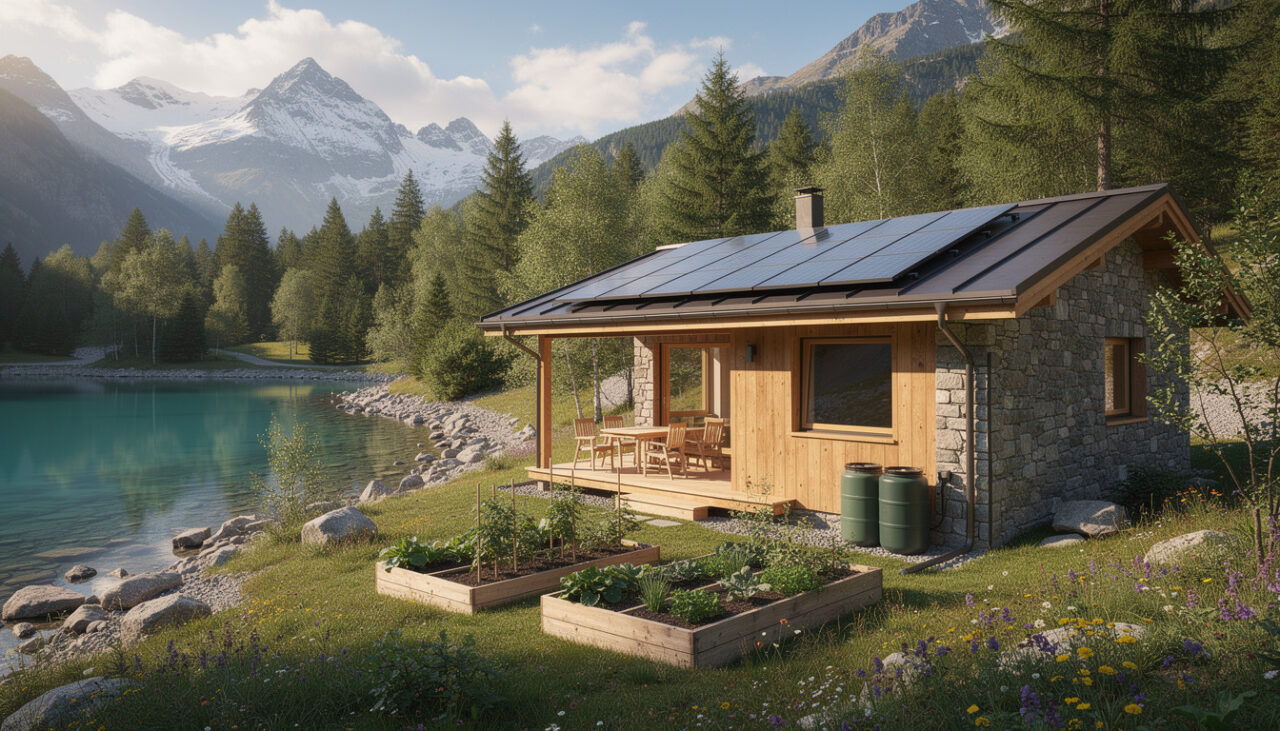
Snow-dusted peaks, timber-framed chalets and the quiet crunch of boots on fresh powder: Alps vacations still carry that timeless, postcard charm. Yet climate change now shapes every winter and summer season, from shrinking glaciers to unpredictable snowfall. Travelers who love the mountains are increasingly turning to sustainable travel and eco-friendly cabins as a way to keep these landscapes alive, without giving up comfort or style. Across France, Switzerland, Italy and Austria, a new generation of cabins mixes renewable energy use, low-carbon transport and thoughtful design. Guests trade wasteful habits for warm, wood-fired evenings, locally sourced meals and a genuine connection to nature conservation. This shift does not feel like sacrifice; it feels like upgrading to a slower, richer way of living. Eco travel tips now shape how people choose their chalet, plan their route and even pack their bags, helping every stay become a small act of green tourism rather than an environmental burden.
Key points about sustainable vacations in eco-friendly cabins in the Alps
- 🌱 Choosing eco-friendly cabins with strong sustainable lodging standards keeps comfort high while lowering energy use and waste during Alps vacations.
- 🚆 Opting for low impact travel such as trains, coaches and shared shuttles dramatically cuts emissions, which studies show make up more than half of a ski trip’s footprint.
- 🔥 Inside the cabin, smart heating, renewable energy use, water-saving fixtures and plastic-free routines turn everyday habits into practical eco travel tips.
- 🧀 Supporting local farmers, mountain guides and family-run refuges turns green tourism into economic resilience for remote communities.
- 🏔️ Respecting trails, wildlife and seasonal limits keeps nature conservation at the heart of sustainable travel and protects fragile alpine ecosystems.
- 🕊️ Embracing slow rhythms, off-peak stays and quiet outdoor activities unlocks more restorative, environmentally conscious experiences in the mountains.
Eco-Friendly Cabins in the Alps: What Really Makes a Sustainable Hideaway?
The phrase eco-friendly cabins is everywhere, yet not every “green” chalet delivers on its promises. Travelers heading for Alps vacations increasingly seek clear proof that a cozy wooden cabin does more than look rustic. The best hosts now design their properties as living ecosystems, where materials, energy, water and even furniture choices are aligned with sustainable lodging principles. This shift comes from both guest demand and the visible reality of climate change in the high mountains: receding glaciers, shorter ski seasons and stressed forests leave little room for token gestures.
One fictional but typical example is “Cabin Larch,” perched above a small village in the Tarentaise valley. Instead of concrete and imported hardwood, it uses locally milled larch and stone from the region. Thick insulation, triple glazing and smart ventilation keep the interior warm with minimal energy, so the owners can rely on a compact heat pump and a small, efficient stove. Guests feel the benefits immediately: even during a snowstorm, the cabin stays comfortable without overheated radiators or constant fan noise, and the air never feels stale.
Labels and certifications help travelers filter the marketing noise. Schemes like Flocon Vert in France or regional eco-labels in Austria reward resorts and accommodations that reduce emissions, protect groundwater and support local employment. A cabin that proudly displays such recognition usually has audited practices around renewable energy use, waste management and building impact. This is where green tourism starts to feel tangible, going beyond decorative slogans on booking platforms.
Design details reveal a lot about how environmentally conscious a cabin truly is. Low-VOC paints protect indoor air quality, while natural insulation such as sheep’s wool or cellulose keeps walls breathable. Rooflines are sometimes extended to shield summer sun but invite winter light, reducing artificial lighting needs. Balconies and terraces are positioned to capture mountain views without blasting interior spaces with excessive heat. These choices shape a subtle form of luxury: comfort rooted in thoughtful engineering rather than energy-hungry gadgets.
Guests often notice the bathroom first. Water-efficient showers and dual-flush toilets, paired with refillable glass dispensers of organic soap and shampoo, replace single-use plastics that still plague many traditional chalets. Greywater systems or rainwater collection – where regulations allow – can further cut pressure on mountain springs. Suddenly, a hot shower after a long day of ski touring feels like a shared resource, not an entitlement, and travelers start to treat it with more care.
Another hallmark of serious sustainable travel is how cabins handle waste. Separate bins for glass, paper, metal, organic waste and residual trash, clearly labeled in several languages, nudge guests toward better habits. Some properties run small compost programs with neighboring farms, turning vegetable scraps into soil for herb gardens. The simple act of chopping local carrots on a wooden board and tossing the peelings into a compost caddy connects visitors to a wider loop of nature conservation.
Lighting provides a final clue. Instead of harsh, always-on illumination, the most progressive eco-friendly cabins rely on warm LED fixtures paired with motion sensors in corridors and storage areas. Outdoor lights are shielded and dimmed to reduce light pollution, helping night skies and nocturnal wildlife. Guests enjoy a crystal-clear view of constellations while bats and owls continue their routines relatively undisturbed.
Taken together, these elements show that sustainable lodging in the Alps is less about strict rules and more about aligning comfort with care. Travelers who choose such cabins step into a space where every design choice supports the mountain environment instead of draining it.
Key features to look for in eco-friendly cabins during Alps vacations
Sorting through listings can feel overwhelming, especially when every host claims to be green. A simple checklist helps travelers stay focused on real impact rather than decorative extras. Energy source, building materials and community links matter far more than a token recycling bin or a few “eco” toiletries.
- 🔆 Renewable energy use (solar panels, certified green electricity, biomass heating)
- 🌲 Locally sourced timber and stone instead of imported, high-impact materials
- 🚿 Water-saving showers and toilets, plus refillable toiletries instead of single-use minis
- 🗑️ Clear recycling options and food-waste solutions, such as composting or farm partnerships
- 🥖 Strong ties to local producers for bread, cheese, vegetables and wine
- 🚶 Easy access to trails, lifts and village services without constant car use
Cabins that meet most of these points usually provide a genuinely sustainable base for eco-conscious guests who still care about comfort. Choosing them sends a clear signal: there is strong demand for places that treat the mountains as a shared home, not a disposable playground.
This kind of property-focused approach sets the stage, but the journey there can easily overshadow even the greenest cabin, which leads to the next major piece of the puzzle: low impact travel options.
Low Impact Travel to Eco-Friendly Cabins: Trains, Coaches and Smart Routes
Transport quietly dominates the carbon footprint of many winter and summer trips. A recent study by ADEME highlighted that over half of a typical ski day’s emissions stem from the journey, not the lift system or accommodation. Sustainable travel to eco-friendly cabins therefore starts long before a guest opens the front door. The choice between plane, private car and efficient rail or coach can multiply or slice emissions dramatically, altering the real impact of Alps vacations.
The rail network remains the quiet hero of low impact travel in Europe. Long-distance trains connect major cities directly to mountain gateways such as Moûtiers-Salins for the Three Valleys or Bourg-Saint-Maurice for Les Arcs. From there, funiculars, cable cars and shuttle buses lift travelers into the heart of the Alps with minimal delay. Modern trains use roughly 30 to 50 times less energy than planes on the same route and about eight times less than cars, while offering wide seats, power outlets and uninterrupted views of lakes and summits.
Smart booking platforms make these routes accessible. In France, services like SNCF Connect provide access to TGV, TER, Intercités and cross-border trains, while also showing coach options and carpooling. For a broader European perspective, sites similar to Trainline combine rail and bus operators into a single interface, letting guests compare timings and prices. Someone planning a weekend in a Swiss eco-lodge can now weigh a night train plus regional connection against a budget flight, often discovering that door-to-door times are surprisingly close.
International examples illustrate the point. Traveling from Amsterdam to Chamonix, a well-planned rail journey can take less than ten hours, beating or matching the time needed to drive, especially in winter traffic. The hours slip by with books, laptop work or quiet naps, rather than stress behind the wheel. That shift from driver to passenger mindset fits neatly with the slower, more reflective spirit of green tourism.
Coaches complement rail by filling in gaps and offering budget-friendly access to remote valleys. Companies such as Flixbus and BlaBlaCar Bus operate “ski lines” from major cities to renowned resorts, often overnight. A family boarding a coach in Lille or London might wake up near Bourg-Saint-Maurice or the Tarentaise valley, ready to transfer by shuttle directly to their cabin. These routes reduce parking pressure in villages and avoid the emissions associated with scattered, under-occupied cars.
Tech tools now support the environmentally conscious traveler at every step. Platforms focused on sustainable transport, similar to TicTacTrip, allow users to filter for trains, buses and shared rides, automatically building routes with lower emissions. Regional planners such as GoSavoieMontBlanc showcase real examples: a trip from Amsterdam to Val Thorens might appear with two or three options side by side, each carrying a different carbon figure. This hard data transforms abstract concern into concrete choices.
Local transfers complete the puzzle. Once guests step off their train or coach, dedicated shuttles link stations like Geneva, Lyon or Grenoble to ski villages and hiking hubs. Many resorts synchronize bus schedules with long-distance arrivals, reducing waiting time and making car-free travel more appealing. Electric or hybrid shuttles are becoming more common, quietly humming their way through valleys that once echoed with diesel engines.
For travelers who still need a car at some stage, carpooling platforms reduce emissions per person while also sharing costs. A couple spending a week in a remote eco-friendly cabin might join a shared ride for the last 40 kilometers from the nearest station, cutting congestion and fuel use without losing flexibility.
Ultimately, the journey to a cabin shapes the mindset on arrival. Guests who travel by train and shuttle step out relaxed, ready to notice the crisp air and subtle smell of pine. Those who arrive after a ten-hour solo drive often feel drained, less inclined to think about nature conservation. Choosing low impact travel is both an environmental decision and a gift to one’s own well-being.
Comparing travel options for sustainable lodging trips in the Alps
Seeing the differences between transport modes side by side helps frame better choices. The table below summarizes typical pros and trade-offs when heading for eco-friendly cabins.
| Mode of travel 🚆✈️🚗🚌 | Carbon impact 🌍 | Comfort & experience 😌 | Best suited for ✅ |
|---|---|---|---|
| Train | Very low emissions per passenger, especially on electric lines 🌱 | Scenic views, space to move, no traffic stress | Travelers prioritizing sustainable travel and relaxed journeys |
| Intercity coach | Low emissions shared across many passengers 🚍 | Overnight options, direct to many resorts, basic but comfortable | Budget-focused guests and groups heading to popular valleys |
| Car (solo) | High emissions per person, traffic and parking pressure 😕 | Door-to-door flexibility, but tiring driving hours | Remote cabins with limited public transport access |
| Carpooling | Moderate emissions, shared among travelers 🤝 | Social, flexible, still reliant on roads and weather | Last-mile access from stations to isolated eco-friendly cabins |
| Plane + transfer | Highest emissions, short flying time but large footprint ✈️ | Fast between distant countries, but includes airport stress | Long-haul trips where overland travel is unrealistic |
Choosing from these options with awareness lets travelers align their route with the same environmentally conscious values they expect from their cabin.
Once the journey is sorted, attention naturally shifts to what happens inside the cabin: how guests heat, cook, wash and unwind without wasting the resources that keep mountain life thriving.
Inside the Eco-Friendly Cabin: Everyday Habits that Protect the Alps
Even the greenest cabin can only do so much if guests treat it like a disposable hotel room. Real sustainable travel in the Alps comes alive through dozens of small, repeatable choices: how long showers last, what gets thrown in the bin, which switches are flipped, which products find a place in the kitchen. These details help decide whether a stay becomes a model of environmentally conscious living or just another footprint-heavy holiday with pretty views.
Heating comes first on any winter trip. Mountain cabins can gulp down energy through underfloor systems and radiators if they are set too high. Travelers who arrive from colder cities sometimes instinctively push thermostats to 24°C or more, then crack windows when the room feels stuffy. Hosts who care about renewable energy use often respond with gentle prompts: welcome notes suggesting an ideal 19–20°C range, thermostats with clear markings, or smart controls that automatically lower temperatures at night. Guests quickly realize that a wool sweater and thick socks feel more fitting than walking around in a t-shirt at alpine altitude.
Lighting forms the second invisible frontier. LED fixtures already cut energy needs drastically, but habits still matter. Turning off lights in unused rooms, relying on daylight from wide windows and favoring one cozy reading lamp over a ceiling blaze all contribute to low impact travel footprints. Mountain evenings are perfect for this softer approach; starlight and firelight do much of the work if guests let them.
Water use can quietly strain high-altitude ecosystems. Springs and reservoirs near ski resorts often face dramatic seasonal demand spikes. Shorter showers, turning off taps while brushing teeth, and only running dishwashers or washing machines with full loads keep water demand reasonable. Many cabins already include aerators on taps and low-flow showerheads, but thoughtful behavior still determines the final bill on both water and energy.
Plastic remains one of the starkest contrasts between traditional tourism and green tourism. Single-use bottles, coffee pods and individually wrapped snacks multiply waste in valleys where disposal and recycling are complex. Eco cabin hosts increasingly install filtered water carafes, coffee presses, refillable jars of tea and bulk snacks to nudge guests toward better patterns. Travelers who pack light reusable items – a bottle, a travel mug, a fabric tote and a small lunchbox – often find they produce barely a handful of non-recyclable waste over a week-long stay.
Food choices extend this thinking. Stocking the fridge with local cheese, eggs and seasonal vegetables rather than imported strawberries in midwinter not only tastes better; it also supports village economies and reduces transport emissions. Guests might wander down to a Saturday market, meet the farmer who makes their favorite tomme, and return to the cabin with a story behind every ingredient. Preparing a simple pasta with mountain herbs feels different when the herbs were grown on a nearby slope.
Chemicals matter too. Many eco-friendly cabins provide environmentally gentle detergents and cleaning sprays. Guests contribute by using them sparingly, avoiding harsh products they might have brought from home, and respecting instructions on what can be flushed or poured down drains. Alpine wastewater treatment plants are often smaller and more sensitive than big-city equivalents, and mountain streams respond quickly to pollutants.
Entertainment choices can either anchor guests in the landscape or distract them from it. Streaming endless shows on multiple devices eats data and energy, while a board game by the fire, a book on local wildlife or a star-gazing session on the balcony demand almost none. Eco travel tips shared by cabin hosts often suggest “low-tech evenings” tied to the rhythm of daylight, turning a simple power-saving measure into a core memory of the trip.
Small actions add up. Over a whole season, the difference between wasteful and mindful guests can equal thousands of liters of water, hundreds of kilowatt-hours and piles of unnecessary trash. When habits align with the design of a sustainable cabin, the building and its visitors pull together in the same direction, easing pressure on the mountains that drew everyone there.
Simple eco travel tips for living lightly in alpine cabins
Guests often appreciate a concise set of practices they can follow without feeling overwhelmed. Adopting just a few of the suggestions below turns a regular holiday into an actively caring stay.
- 💡 Keep heating modest and wear layers instead of overheating the cabin.
- 🚿 Take shorter showers and avoid leaving taps running while washing or brushing teeth.
- 🚰 Refill a reusable bottle from tap or filtered water instead of buying plastic bottles.
- 🛒 Bring a cloth bag for village shopping and favor unpackaged or minimally packaged goods.
- 🍲 Cook with fresh, local produce and plan meals to reduce food waste.
- 🕯️ Trade an hour of screen time for a book, game or conversation by the fire.
These habits travel home with guests, extending the reach of sustainable vacations far beyond one cabin and one valley.
Supporting Local Communities and Nature Conservation Through Green Tourism
Eco-friendly cabins exist within living communities, not isolated postcard scenes. Real green tourism supports the people who farm steep pastures, bake morning bread, manage rescue services and maintain trails. When travelers choose where to spend, they quietly vote for the kind of alpine economy they value. A euro spent in a family cheese dairy or a small gear shop holds a different meaning than one spent in a generic chain with no roots in the valley.
Take the fictional village of Saint-Roch-sur-Neige as an example. Years ago, most guests stayed in large hotels, booked package deals and shopped in a single supermarket near the parking lot. Farmers struggled to sell their produce locally, and traditional crafts faded as younger generations looked elsewhere for work. As sustainable travel gained momentum, the village gradually shifted. Eco-friendly cabins and renovated barns now pepper the hillsides, managed by local families with deep ties to the landscape.
Guests who value environmentally conscious stays seek out these small-scale operators. They book guided snowshoe walks with certified mountain leaders instead of joining huge tour buses. They taste raclette in a tiny, family-run restaurant where the owner explains which pasture the cheese comes from. They buy handwoven wool hats from the craft cooperative, knowing the yarn comes from sheep grazing just above the tree line. These choices feed income back into the village, supporting jobs that maintain both culture and land.
National parks and nature reserves across the Alps play a similar role, but at the scale of whole ecosystems. Protected zones like the Vanoise or the Stelvio conserve wildlife corridors, forests and glaciers that underpin the region’s identity. Visitors who pay entrance fees, join ranger-led walks or donate to conservation projects help fund scientific monitoring, habitat restoration and educational programs for local schools. Even a short interpretive walk can reframe how a traveler sees the ibex on a ridge or the moss at their feet.
Guided experiences often act as a bridge between guests and the deeper stories of a place. Local guides explain why certain slopes close during chamois breeding season, or why off-trail skiing damages fragile shrubs that take decades to recover. They might share how local winemakers cope with warmer summers, or how avalanche management is adapting to more erratic snowfall. Travelers leave not only with photos but with a clearer sense of responsibility.
Food offers one of the most enjoyable ways to support both culture and environment. Regional markets brim with seasonal produce: chestnuts in autumn, wildflower honey in late spring, thick yogurts and raw-milk cheeses year-round. Choosing these items over imported, out-of-season goods keeps agriculture diversified and resilient. Restaurants that boast a “kilometer-zero” philosophy design menus around what nearby farms can provide, reducing transport emissions and preserving culinary traditions passed down for generations.
Volunteer opportunities and citizen science projects add another layer. Some valleys organize trail maintenance days where visitors and residents repair erosion damage, rebuild small bridges or clear drainage ditches. Others invite guests to join wildlife counts, photographing specific bird species or recording flowering dates to help track climate impacts. Even a single morning spent on such initiatives can anchor an entire trip in a sense of shared stewardship.
These experiences transform the cabin from an isolated bubble into a basecamp for connection. Guests no longer consume the Alps as a backdrop; they participate in the ongoing story of how mountain communities adapt and thrive under pressure. Supporting local livelihoods and nature conservation becomes part of the holiday’s meaning, not a separate add-on.
Practical ways guests can support sustainable lodging communities
Turning good intentions into action does not require grand gestures. A consistent pattern of small, thoughtful choices can shift a village’s trajectory over time.
- 🧀 Eat in locally owned cafés and restaurants that highlight regional, seasonal dishes.
- 🧵 Buy souvenirs from artisans rather than mass-produced trinkets in generic shops.
- 🧭 Book hikes and excursions with certified local guides who know the terrain and culture.
- 🌲 Visit nearby nature centers or park visitor hubs and contribute to conservation funds when possible.
- 📚 Learn a few phrases in the local language to show respect and openness during interactions.
- 🚶 Choose cabins that employ local staff and collaborate with neighboring farms or bakeries.
Over many seasons, these micro-decisions keep small villages vibrant and ensure that sustainable lodging remains a genuine force for good in the Alps.
Seasonal, Wildlife-Friendly and Waste-Light Habits for Alps Vacations
Sustainable vacations in the Alps unfold differently depending on the month and the landscape’s rhythm. Spring, summer, autumn and winter each reveal a distinct personality, inviting travelers to adjust plans and behavior. Respecting these cycles keeps sustainable travel grounded in reality rather than rigid ideology, especially when wildlife and waste management come into focus.
Traveling outside peak weeks already reduces pressure. Spring and autumn, often described as “shoulder seasons,” bring gentler visitor numbers. Trails feel quieter, gondola queues shrink and villages have room to breathe. Eco-friendly cabins during these periods often become havens for remote work, yoga retreats or creative breaks. Guests enjoy milder temperatures, blossoming meadows or golden larch forests, while infrastructure avoids the strain of full-capacity crowds.
Winter still draws huge numbers, particularly ski enthusiasts. Those striving for low impact travel make several strategic choices: booking resorts that invest in renewable energy for lifts, supporting ski areas that limit artificial snowmaking and avoiding off-piste zones marked as wildlife refuges. Renting equipment instead of buying new gear each season reduces waste and manufacturing emissions. Staying close to lifts or shuttle stops further reduces car use and keeps the holiday rhythm firmly on foot or skis.
Wildlife faces particular stress in winter. Species like chamois, ibex and marmots survive on tight energy budgets. When skiers or snowshoers repeatedly disturb them, forcing them to flee, the cost can be fatal during harsh spells. Respecting closed-off areas, moving quietly, and observing animals from a safe distance protects this delicate balance. Feeding wildlife – even with seemingly harmless snacks – disrupts natural foraging and can lead to dependence or health issues.
Summer shifts the focus to hiking, cycling, climbing and water-based activities. Trails that were ski runs transform into flower-filled paths buzzing with insects. Here, leaving no trace becomes the key practice. Staying on marked routes prevents erosion and protects alpine plants that often need years to recover from a single careless step. Carrying all waste out, including organic scraps like fruit peels, keeps popular spots from turning into open-air bins.
Food and waste intersect strongly in high season. Picnics on ridgelines, lakeside lunches and summit snacks generate packaging that can easily blow away or roll down slopes. Travelers who carry reusable lunch boxes, cutlery and cloth napkins sidestep much of this mess. Many cabins now leave a small kit for guests: a thermos, a container and a set of metal utensils ready for day trips. This simple touch transforms responsible behavior into the path of least resistance.
Water sports on alpine lakes and rivers require similar care. Paddling, swimming and stand-up paddleboarding offer low-emission joy, but sunscreen, litter and noise can still disrupt ecosystems. Choosing reef-safe or mineral-based sun protection, avoiding plastic floats that easily puncture and ensuring nothing falls into the water help keep fragile aquatic life healthy.
Food again reinforces seasonal awareness. Embracing what grows or grazes nearby – berries in late summer, root vegetables and cheese in winter – connects visitors to local cycles. Guests who ask restaurant staff about seasonal specialties often discover dishes that rarely appear on tourist menus yet carry generations of history.
Waste reduction underpins all seasons. Reusable items, thoughtful shopping and durable gear eliminate many problems before they arise. Travelers who repair clothing and equipment, borrow from friends or rent locally sidestep fast-consumption habits that flood landfills and thrift shops. The Alps have long rewarded frugality and care; carrying these values into vacation choices simply continues that tradition in a modern form.
Seasonal eco travel tips for environmentally conscious Alps trips
Tuning behavior to the time of year keeps both experiences and ecosystems in balance.
- ❄️ Winter: Choose resorts with visible sustainability commitments, rent gear, and stay on marked pistes away from wildlife zones.
- 🌸 Spring: Stick to open trails, as melting snow makes slopes fragile and prone to erosion.
- 🌞 Summer: Carry out all picnic waste, use durable water bottles and respect fire restrictions in dry periods.
- 🍁 Autumn: Enjoy quieter paths, watch for wildlife preparing for winter and avoid disturbing breeding grounds.
- 🗑️ All seasons: Pack a small “waste kit” with bags, containers and utensils to keep rubbish under control.
Attuning holidays to these rhythms turns Alps vacations into a partnership with the landscape instead of a one-sided demand for constant entertainment.
Slow, Restorative Eco Travel: Making Sustainable Vacations in the Alps Truly Nourishing
Sustainable vacations in eco-friendly cabins do more than protect glaciers and forests; they also change how guests feel. Many mountain travelers arrive burned out, chasing packed itineraries and endless photo stops. Sustainable travel invites a different pace, one that favors depth over quantity and genuine rest over rushed checklists. The Alps, with their tight-knit valleys and ancient paths, reward this slower approach generously.
Slow travel begins with intention. Instead of visiting four resorts in a week, some guests now choose a single valley and one eco-friendly cabin as a long-stay base. They swap daily commutes for gentle routines: morning walks, afternoons by the fire or on the balcony, evenings in the village square. Days might revolve around the local bakery’s schedule or the timing of the last sunbeams on a nearby peak. This rhythm feels less like tourism and more like temporary belonging.
Activities naturally adapt. High-adrenaline pursuits still have their place, yet many travelers discover they feel more restored after snowshoeing through silent forests or cycling along rivers than after racing from one crowded viewpoint to another. Yoga sessions on a wooden deck, reading hours in a hammock, or simple cloud-watching sessions beside a mountain stream consume almost no resources while offering rich, grounding experiences.
Eco-friendly cabins often serve as gentle mentors for this lifestyle. Without cluttered décor or endless gadgets, they leave mental space clear. Large windows frame slow-moving clouds, wood crackles in stoves, and locally made blankets carry reassuring weight. Guests tune into natural cues: first light on a ridge, the pattern of bird calls, the way wind shifts before a storm. These sensations anchor the mind in the present, the very state many people chase through meditation apps at home.
Digital habits also come under review. Some cabins sit deliberately just beyond reliable mobile reception, encouraging a partial digital detox. Even where connectivity is strong, travelers sometimes impose self-chosen limits: checking messages once a day, leaving laptops closed except for a specific window, storing phones in a drawer during shared meals. Freed attention drifts toward meaningful conversations, personal reflection and attentive observation of the landscape.
Wellness in this context becomes a byproduct of living more gently. Better sleep follows darker, quieter nights. Appetite aligns with movement and fresh air rather than clock-driven routines. Anxiety softens when there is nowhere to rush, no meeting to race back to, no pressure to extract maximum “value” from every hour. The same behaviors that lower environmental impact – walking, taking trains, eating seasonal food, cutting screens – happen to support physical and mental health.
Stories from travelers who embrace this approach often carry similar themes. They mention that one particular view became “their” view, seen at dawn, in snowfall, under moonlight. They recall knowing the baker by name or swapping recipes with the cabin host. They remember the first time they could identify a chamois at a distance, or when they recognized the sound of a raven’s call. These memories form a subtle but lasting attachment to the Alps, making future choices about eco-friendly cabins and low impact travel feel non-negotiable.
As guests return year after year, an interesting feedback loop emerges. They become quieter advocates for environmentally conscious living among friends and family, sharing practical eco travel tips and stories rather than preaching. Their loyalty helps sustain cabins and communities that invest in renewable energy use, careful building practices and genuine hospitality. Over time, this network of repeat visitors and responsible hosts can shift regional tourism norms from short-term extraction toward long-term care.
Sustainable lodging in the Alps, then, is not only a technical challenge of insulation, solar panels or transport links. It is an invitation to live differently for a while and to carry at least some of that difference back home. Eco-friendly cabins become more than pretty wooden houses on a slope; they act as training grounds for a lifestyle that treats beauty and responsibility as inseparable.
Bringing the spirit of eco travel tips back home
When the trip ends, the mindset can continue. Guests often find that habits formed in the cabin translate surprisingly well to everyday life.
- 🏡 Keeping home heating a little lower and embracing warm clothing.
- 🚲 Choosing public transport, cycling or walking for some weekly journeys.
- 🥦 Buying more seasonal, local ingredients and cooking simple, satisfying meals.
- 🧴 Refilling containers for soap and cleaning products instead of buying disposables.
- 📵 Scheduling regular “offline evenings” that mirror cabin nights by the fire.
Alps vacations built around sustainable lodging and eco-friendly cabins leave more than memories; they plant durable habits that ripple outward long after the snow melts or the last autumn leaf falls.