Solo Travel Trends: Traveling Alone and Making Friends
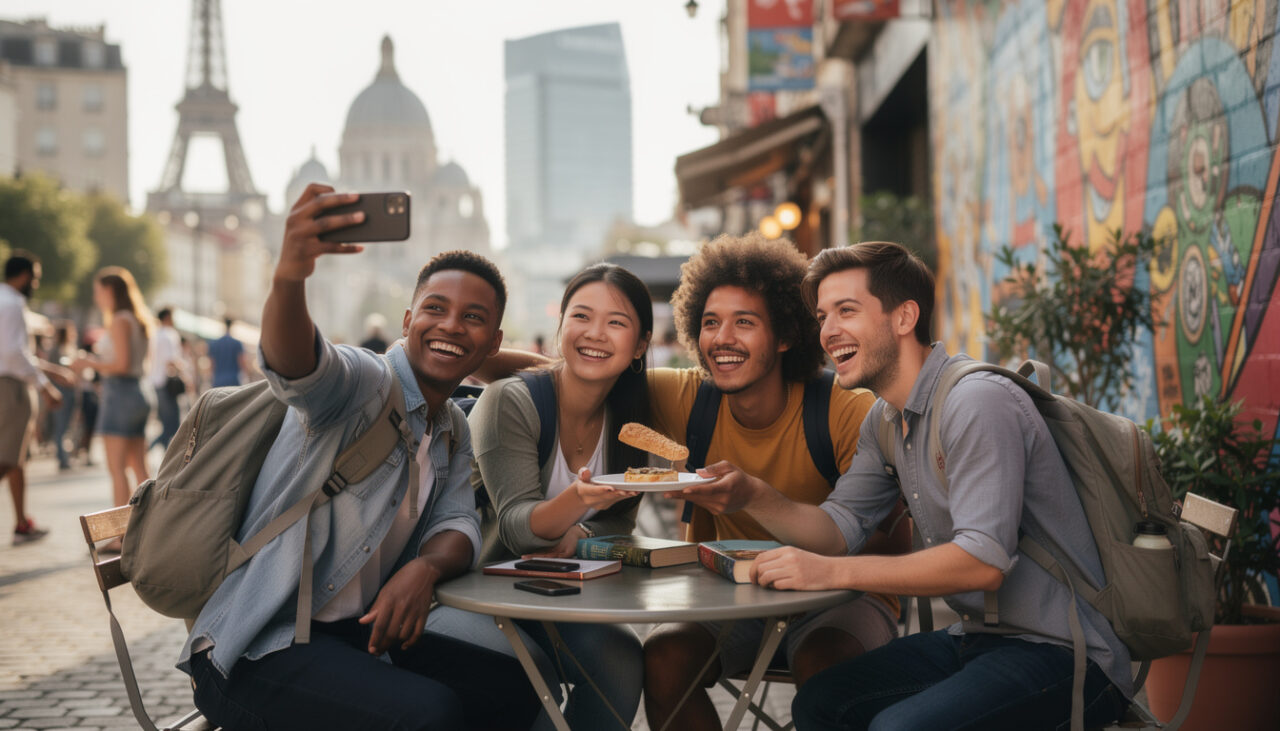
Solo travel has shifted from niche pursuit to mainstream lifestyle choice, turning quiet dreams of independent travel into booked tickets and packed backpacks. More travelers are choosing to travel alone, not because they lack company, but because they want full control over their time, budget, and emotional bandwidth. At the same time, nobody wants to feel isolated on the road. New travel trends show a powerful blend of Solo Travel and social travel, where people move freely on their own schedule yet weave in friendships, group moments, and shared experiences. From Bangkok rooftops to Spanish beach towns and coworking cafés in Lisbon, solo adventures are now social playgrounds where strangers become travel buddies, flatmates, sometimes even business partners. Behind the glossy photos is a very real shift: travelers are learning how to be alone without feeling lonely, and how to build an authentic travel community wherever they land.
Key points about solo travel trends and making friends
- 🌍 Sustained boom in independent travel: Solo travel continues to grow fast, with a projected market CAGR above 9% through 2030 and searches for “solo travel” climbing sharply.
- 👩🧭 Who travels solo: Younger travelers dominate, especially those under 31, with women representing around 60% of solo bookings and a strong LGBTQIA+ presence.
- 🤝 Making friends while traveling alone: Hostels, walking tours, coworking cafés, and curated group trips are turning solo adventures into easy opportunities for genuine connection.
- 📱 Tech and apps: From cheap flight tools to community-based platforms, digital tools reduce costs and help solo travelers meet, chat, and plan activities safely.
- 🧘 New solo travel archetypes: Beyond backpackers, wellness seekers, remote workers, and premium comfort-chasers are reshaping what solo journeys look like.
- 💸 Money, safety, and strategy: Single supplements, insurance habits, and destination choices reflect how solo travelers balance freedom, budget, and peace of mind.
Solo Travel Trends 2024–2026: Why Traveling Alone Is Booming
Solo travel is no longer an exception squeezed between “girls’ trips” and family holidays. For a growing slice of people, travel alone is the default. Data from recent travel trend reports show the solo travel segment outpacing general leisure tourism, with a projected compound annual growth rate hovering around 9.1% through 2030. That kind of expansion usually belongs to hot tech sectors, yet here it describes individuals booking a single seat, one hostel bed, or a solo cabin and deciding to script their own stories.
What changed? A mix of flexible work, social media inspiration, and post-pandemic appetite for meaningful experiences shifted the timeline. Remote and hybrid work let many turn long weekends into extended stays. Google search trends reflect this restless momentum, with interest in “solo travel” up dramatically over the last decade and still climbing. When half of American travelers say they plan at least one solo trip in a year, solo adventures stop being fringe; they become a cultural habit.
Demographics reveal where the energy sits. Around 68% of solo travelers are under 31, clustered mainly in the 18–24 and 25–30 age ranges. These are students, early-career professionals, gap-year dreamers, and digital creatives swapping office desks for laptops in Bali cafés. That said, the stereotype of a 22-year-old backpacker does not tell the whole story. Travel companies report increased numbers of older solo clients booking river cruises, wellness retreats, and small-group tours, often after life transitions like divorce, career change, or children leaving home.
Gender patterns are even more striking. Women now account for around 60% of solo bookings on many platforms, from adventure tours to city breaks. Tour operators such as Contiki have reported that roughly three-quarters of customers on certain departures travel alone, with nearly two-thirds of them female. This mirrors a broader rise in empowerment, safety awareness, and peer encouragement. Instagram stories documenting women tackling solo backpacking in Vietnam or Spain snowball into communities where hesitation turns into action.
Representation is evolving too. About 19% of solo travelers identify as LGBTQIA+, building networks through queer-friendly hostels, meetups, and curated trips. For many, solo travel offers a rare chance to choose environments that match their values and comfort level. A queer digital nomad can move from a conservative hometown to a more welcoming city, staying in inclusive spaces and connecting through online groups that recommend trusted venues and local allies.
Motivation tends to sound surprisingly similar across ages, genders, and backgrounds. Surveys repeatedly show that around 74% of people traveling solo do it simply because they don’t want to postpone seeing the world while waiting for others. Friends have conflicting schedules, partners may not share specific interests, and family trips bring compromises. Independent travel unlocks a new logic: book first, figure the rest out later. That attitude permeates the way people now approach long weekends, sabbaticals, and even work trips extended with personal days.
Destination choices underline these shifts. For independent travelers, classic backpacker routes still dominate: Thailand, Vietnam, Spain, Italy, and Australia repeatedly rank as top solo travel hot spots. Each offers a mix of affordable stays, social hostels, good infrastructure, and plenty of tours that blend structure with freedom. Travelers booking last minute might combine a cheap flight found via apps like global flight comparison tools with a week in a coastal town, sharing a dorm with strangers who soon feel familiar.
Another pillar of this boom lies in logistics. Average trips for first-time solo travelers last roughly 7–10 days, long enough to test confidence without being overwhelming. Budgets most commonly fall between $1,000 and $3,000 excluding flights, with many people saving on transport through budget airline deals and spending a bit more on standout experiences. An interesting detail: solo travelers typically invest around 20% more in travel insurance than other travelers, reflecting a pragmatic mindset behind all the dreamy photos.
Under the surface of these numbers lies a cultural pivot. Solo adventures now signal autonomy, curiosity, and self-respect rather than loneliness or lack of options. As one recurring pattern shows, people who try independent travel once often plan two to five solo trips in the following year. They rarely go back to waiting around. The solo travel boom is less a blip and more a long-term rewiring of what a “normal” vacation can look like.
This shift in mindset naturally leads to an adjacent question: if more travelers move alone, how do they stay connected? The answer lies in how solo adventurers are re-inventing the art of making friends on the road.
From Lonely to Connected: How Solo Travelers Make Friends on the Road
Solo travel has a reputation for introspection, yet the day-to-day reality often feels more social than traveling with friends. When someone arrives alone, they naturally scan a hostel kitchen, a walking tour, or a rooftop bar for a friendly face. The energy is open, expectant. Everyone has a story, and everyone has at least one vacant seat next to them. That is where the real magic of making friends while traveling alone begins.
Consider Mia, a 27-year-old designer who booked a two-week solo adventure through Spain and Italy. Her plan included city walks, tapas, and museum-hopping. By her second night in Barcelona, she had joined a hostel paella class, swapped Instagram handles with a German photographer, and been added to a WhatsApp group for a spontaneous day trip to Montserrat. By the time she reached Florence, she already had recommendations from this mini travel community for cafés, coworking spaces, and sunset viewpoints. None of this was pre-arranged; it flowed naturally from being open, present, and receptive.
Shared environments accelerate connection. Hostels still stand at the center of social solo travel. Beyond the old bunk-bed clichés, many modern hostels now offer private rooms, wellness corners, and community dinners. Budget-conscious solo backpackers get both affordability and built-in social lives. A simple kitchen conversation about where someone bought their dumplings can quickly turn into a group heading to a night market together.
Social tours and group activities offer another major bridge. City walking tours, food crawls, surf lessons, wine tastings, and language exchanges attract people who are already in “yes mode.” For solo adventurers wary of approaching strangers cold, these structured environments remove awkwardness. Everyone paid to be there, everyone receives the same briefing, everyone walks the same streets. Conversation flows from shared moments: a guide’s joke, a wrong turn, a dish that’s spicier than expected.
Digital tools strengthen these human encounters. Apps that recommend experiences, local meetups, or last-minute tours have blended with cheap flight tools such as last-minute deal platforms. Someone might score an unexpected summer fare to Greece, book a social hostel, and use event apps or group chats to find sunset hikes or boat trips. The line between online and offline community blurs; travelers bounce from chat groups to real-life tables covered with mezze and wine.
For many, coworking cafés and coliving spaces play a similar role. Remote workers use them as social hubs where laptop sessions turn into friendships. A quick “Anyone keen for lunch?” in a Slack channel can gather a mixed group of developers, writers, and designers at a local spot within minutes. Independent travel no longer means drifting aimlessly; it often means plugging into curated spaces designed precisely for people on the move.
Not all encounters need to be intense or long-lasting. Part of the beauty of solo travel friendships lies in their spectrum. Some people become “24-hour best friends” — perfect companions for a hike, a market visit, or a single wild night out, then disappear into their next destinations. Others reappear months later in another city: a message on social media, a shared flight, a revived in-joke. A small fraction become lifelong confidants or partners. Solo travelers learn to value each tier without clinging.
For anyone feeling shy, a few gentle strategies help. Starting with questions like “Where are you headed next?” or “Have you tried any good food spots nearby?” rarely fails. Group games, communal dinners, and hostel events remove the pressure to perform; participation itself creates conversation. Many solo travelers quietly set a tiny daily challenge — speak to one new person, say yes to one invite — and let that habit steer them away from isolation.
Safety remains part of this equation, especially for women and LGBTQIA+ travelers. Boundaries become a social skill as crucial as small talk. Saying no to invitations that feel off, sharing live locations with trusted friends back home, and staying in well-reviewed places recommended by platforms such as Lonely Planet guidebooks or community forums all contribute to a balance of openness and care. The presence of a friend circle on the road feels even better when trust underpins it.
Many solo travelers notice that friendships formed on the road cut through small talk faster than relationships at home. When two people meet at 2 a.m. on a bus through northern Thailand or at a sunrise yoga session in a Sicilian retreat, the shared context is already charged. They have chosen uncertainty, curiosity, discomfort, and growth. No wonder conversations quickly jump from travel trends to fears, dreams, and life choices. The road becomes a catalyst for honesty.
Ultimately, solo travel rewrites the definition of connection. People discover they can move independently and still host a rotating cast of companions. They learn to alternate between deep solitude and high-energy group experiences. And they realize that genuine community does not require matching departure dates — only shared momentum.
As connection methods diversify, different types of solo travelers are emerging, each bringing a unique flavor to the global movement of independent travel.
New Archetypes of Solo Adventures: From Backpackers to Wellness Nomads
The era when “solo traveler” meant only a budget-conscious backpacker hauling a massive pack through Southeast Asia has passed. Today, independent travel comes in multiple flavors, shaped by lifestyle, income, and personal values. These archetypes overlap and evolve, but they help explain how solo journeys now fit into diverse lives.
The classic solo backpacking traveler still thrives. This group chases long overland adventures, sleeper trains, street food, and low-cost hostels. They know every cheap bus route between Bangkok and Chiang Mai, collect stamps on battered passports, and trade tips about which South American border town has the friendliest immigration officers. Their main currency is time: months or even years roaming, with work picked up along the way through seasonal gigs, remote freelance, or teaching.
Alongside them stands a newer figure: the remote worker nomad. This traveler carries a smaller pack but a heavier laptop. Workdays happen in coworking spaces or cafés, evenings in tapas bars or art exhibits. A nomad might stay six weeks in Lisbon, three months in Melbourne, and a summer in the Alps, booking eco-conscious stays like sustainable cabins in the Alps to blend nature, productivity, and community. The line between “trip” and “life” blurs; home is wherever the Wi-Fi and coffee are reliable.
Another rising archetype is the wellness soloist. Instead of bar-hopping, this traveler prioritizes yoga, hot springs, meditative hikes, and spa hotels. Wellness retreats in Bali, Italy, Greece, or New Zealand now heavily market single-occupancy options with no social stigma attached. Group breathwork sessions, sound baths, and farm-to-table dinners create soft, supportive environments. Many wellness soloists crave a reset: coming off burnout, recovering from breakups, or embracing new phases of life.
The cultural deep diver forms a quieter but powerful category. This person spends weeks learning local languages, volunteering, or taking cooking courses. They rarely rush through “bucket list” spots. Instead of five capitals in seven days, they pick one city and unravel it slowly — neighborhood by neighborhood, café by café. A month spent in Hanoi or Seville might revolve around conversation exchanges, photography walks, or music lessons rather than ticking monuments off a list.
Then there is the premium solo explorer. News stories have profiled executives and professionals who travel alone not to save money, but to gain clarity and perspective. They choose river cruises where tour operators waive single supplements, boutique hotels with rooftop pools, or business-class seats using earned miles. For them, solo travel offers something rare: silence amid comfort, time to think between meetings, and the freedom to pivot plans without negotiating with companions.
These categories sometimes share the same dorm or dinner table. A remote worker may join backpackers for a weekend island trip. A wellness seeker might book a coworking coliving stay to mix yoga with collaborative projects. Somebody traveling on last-minute offers found via summer deal platforms may slide from one archetype to another as budgets and moods change.
What unites them is a common rejection of rigid tour-group itineraries. Independent travel allows each archetype to tune their experience: a week of hiking, a day of work, a night of dancing, a morning of journaling. They pick from the global menu of hostels, eco-lodges, co-livings, boutique hotels, and homestays, choosing places that mirror their values. Sustainability-minded travelers seek low-impact lodging and train routes; social butterflies filter for properties with communal events; introverts might opt for private rooms inside vibrant shared spaces.
Travel brands, for their part, are recalibrating. More operators now design small-group departures explicitly labeled as ideal for solo travelers, sometimes guaranteeing a capped group size and a balanced age range. Cruiselines and tour companies are experimenting with studio cabins and waived supplements on selected dates, recognizing solo travelers as a high-value segment rather than an afterthought. A few embrace social technology, linking guests before departure through group chats so that people arrive already acquainted.
Even classic guidebook names like Lonely Planet update their content to reflect these archetypes, layering digital tools on top of printed recommendations. Where a chapter once simply listed hostels, it might now flag spaces with coworking, wellness offerings, or LGBTQIA+-friendly reputations. Solo travelers use this blend of analog expertise and digital discovery to tailor trips less by country and more by lifestyle.
As these roles evolve, the market shapes itself around them. New shuttle routes cater to digital nomad corridors. Retreat centers design “solo-friendly” packages. Cities compete to become the next remote-work darling or foodie capital, knowing solo visitors often stay longer and spread spending across neighborhoods instead of clustering around big resorts. Archetypes become a lens through which cities view their own appeal.
What emerges from this mosaic is a simple truth: there is no single right way to travel alone. Solo adventures stretch from hammock hostels to mountain spas, from weeklong city hops to multiyear odysseys. The only constant is a deep desire to steer life’s direction more intentionally, one boarding pass at a time.
Behind these lifestyles sits a foundation of logistics: money choices, safety calculations, and smart use of technology that keeps solo journeys both exhilarating and sustainable.
Money, Safety, and Strategy: How Solo Travelers Plan Smart
Freedom on the road feels glamorous, yet it rests on countless quiet decisions about money, risk, and daily logistics. Solo travelers handle every one of those choices themselves, which sharpens their planning instincts. They decide where to splurge, when to scrimp, and how much peace of mind is worth paying for.
Recent data shows that a majority of solo trips fall into a $1,000–$3,000 spend bracket (excluding flights), especially for journeys of 7–10 days. Flights remain the wildcard in any budget, which is why apps comparing fares across the globe, such as those reviewed in cheap global flight app guides, feel like secret weapons. A traveler might wait for alerts on a fare to Thailand or Australia, snag it at a low point, and allocate the savings toward better accommodation or extra activities.
Accommodation brings its own calculus. Solo travelers often face single supplement charges of up to 50% when booking traditional tours or cruise cabins meant for couples. That penalty can sting, especially when traveling on a tight salary or freelancer income. The industry’s response has been gradual but noticeable: more operators now reduce or waive these fees on certain dates or categories. For instance, some European river cruise lines waive single supplements on specific cabin types, signaling a recognition that solo guests are not an anomaly but a core audience.
Insurance choices reveal another dimension. On average, solo travelers spend about 20% more on travel insurance than other tourists. This does not spring from paranoia; it reflects clear-eyed realism. If a bag goes missing, a flight is canceled, or a medical issue arises, there is no partner on hand to help negotiate or front costs. Comprehensive policies covering health, cancellations, and gear create a financial safety net that supports the emotional freedom of traveling alone.
Safety concerns influence destination decisions, especially for women. Reports consistently rank countries such as Spain high on safety indexes for female solo travelers, with strong infrastructure, public transport, and nightlife that does not require isolation. That does not mean other destinations are off-limits, but it shapes how and where someone might start. A first solo trip might head to Barcelona or Seville, building confidence before branching out to more complex routes.
Technology plays the role of silent travel companion. From offline maps and translation apps to currency converters and local ride-hailing tools, phones compress a whole support system into a pocket. Group chats, meetups, and community channels transform a stranger’s arrival into a kind of digital homecoming, where someone already has recommendations lined up. Cheap flight platforms, hostel booking engines, and deal aggregators like those listing budget airline reviews help stretch every dollar.
Practical packing and planning habits also differentiate seasoned solo travelers. Many rely on a few core routines:
- 🎒 Light packing: One carry-on and a small daypack reduce stress on trains, buses, and crowded streets.
- 📱 Redundant backups: Copies of documents stored digitally, with emergency contacts and insurance details accessible.
- 🏨 First-night certainty: At least the first night’s accommodation booked in advance, especially after late arrivals.
- 🚨 Safety signals: Sharing itineraries with friends or family and setting simple check-in routines.
- 💳 Money spread: Cash and cards divided between places, avoiding complete dependence on a single wallet.
These habits, while simple, make the difference between a fraught journey and a confident one. They free up mental space for spontaneous choices — an unplanned side trip, a new friend’s invitation, a change of country sparked by a cheap ticket.
As solo travel grows, destinations adapt with infrastructure that quietly supports all these strategies. Cities enhance public Wi-Fi, improve late-night transit, and promote neighborhood safety initiatives. Eco-conscious lodgings, like sustainable cabins in mountain regions, build trust through transparent policies and clear communication, knowing solo guests are reading reviews with sharper eyes.
Underneath the spreadsheets, though, sits an emotional economy. Solo travelers learn to price their energy as carefully as their cash. They budget recovery days after overnight buses, schedule digital detox time to avoid burnout, and protect their mental health by mixing busy social spells with quiet mornings. Saying yes to every invitation stops feeling glamorous; discernment becomes the ultimate luxury.
When money, safety, and strategy align, solo travelers gain something rare: a feeling that the world is navigable on their own terms. The next step is channeling that sense of control into actively building — and sometimes leading — the communities they encounter along the way.
From Solo Traveler to Community Builder: The Social Fabric of Independent Travel
As more people travel alone, a subtle shift is unfolding: solo travelers are not just joining existing networks; they are shaping them. Independent travel used to mean slotting into hostel scenes or tagging along on backpacker trails. Now, solo adventurers regularly start group chats, host gatherings, and even launch small ventures that bind the travel community together.
Picture a shared kitchen in a Lisbon guesthouse. One traveler posts in the property’s chat: “Cooking curry tonight — anyone want in?” Within minutes, four names appear: a Canadian photographer, a Brazilian developer, a French nurse, and a Korean student. Everyone chips in a few euros; someone brings wine, another offers dessert. By the time plates are cleared, they have traded health tips, restaurant recommendations, and ideas for a weekend train trip. Nobody knew one another that morning. By nightfall, they have loose plans stretching across the next week.
These micro-moments are repeated daily in hostels, coworking spaces, house shares, and tour groups. Solo travelers instinctively fill social gaps, because they know the stakes of loneliness. They initiate walking groups, co-organize day trips, or offer skill swaps — design help in exchange for language lessons, photography in return for cooking tips. Over time, this activity weaves dense networks across continents.
Digital footprints make these networks durable. Travelers who first meet on a beach in Thailand might reunite months later in Berlin, thanks to casual “Where are you now?” messages. Group chats started for one specific hostel sometimes morph into long-running channels where members share future plans, business ideas, and emotional support when someone faces a tough border crossing or a bout of homesickness. The road becomes not just a series of places, but a rolling tapestry of names and stories.
Some solo travelers formalize this instinct. They run meetups, moderate online communities, host podcast-style conversations, or create independent tours focusing on their passions: street food, photography, urban history, queer nightlife. A solo backpacker who once depended on a printed Lonely Planet might eventually publish their own digital mini-guide to a favorite neighborhood, updating it constantly with crowd-sourced tips from other independent travelers.
Of course, not every traveler wants to constantly be “on.” The healthiest communities respect both connection and privacy. Group houses where residents alternate between shared dinners and “quiet nights in,” tours that offer optional social segments, and hostels that provide both party floors and calm wings show how design can support differing social needs. Community flourishes when people sense that opting out is as welcomed as opting in.
Travel companies are learning from this. Some now assign “community hosts” or “experience curators” whose role is not traditional tour guiding but fostering inclusive vibes: setting ground rules, encouraging introductions, and spotting when someone might feel left out. Others experiment with hybrid products that blend solo flexibility with group continuity, such as hop-on, hop-off routes where travelers can remain with the same small circle of people for days or weeks.
These dynamics can be seen clearly when comparing classic all-inclusive resorts with the new wave of “soft-structured” trips. While many still love everything organized in a single package, others prefer modular approaches: grab a flight via a last-minute deal service, book a flexible guesthouse, join a sequence of optional excursions, and keep evenings unscheduled. The community that forms feels less like a package-tour bubble and more like a living, breathing village of temporary neighbors.
Crucially, the rise of solo travel reshapes how people perceive friendship itself. Connections forged on the move often sidestep superficial identity markers — job titles, social status, hometown prestige. Instead, they form around timing, curiosity, and shared challenge. Two people who never would have crossed paths at home share a cramped overnight bus, a lost passport incident, or an epic hike through the Dolomites. The bond becomes anchored in resilience and story rather than convenience.
This social fabric extends beyond pure leisure. Many collaborations — companies, creative projects, nonprofits — trace their origin to a hostel common room or a slow afternoon chat in a coworking lounge. Independent travelers discover not only that they can handle the world alone, but that they can consciously choose which people to collaborate with in shaping something new. The road becomes an incubator for personal and collective reinvention.
As solo travel trends continue to gain momentum, the core narrative shifts from isolation to intentional connection. Those who master the dance between solitude and companionship discover a powerful lesson: traveling alone does not mean being alone; it means choosing when, how, and with whom to share the journey.
Snapshot of Solo Travel and Social Connection Trends
To bring these patterns into focus, the table below condenses some of the defining aspects of current solo travel and social connection habits.
| Trend 📊 | Key Detail 🔍 | Social Impact 🤝 |
|---|---|---|
| Market Growth | ~9.1% annual growth for solo travel segment | More tailored products, tours, and stays for solo guests |
| Age Profile | ~68% under 31 years old | High appetite for hostels, coworking, and flexible trips |
| Gender Balance | ~60% female solo travelers | Rising demand for safe, welcoming spaces and tours |
| LGBTQIA+ Share | ~19% of solo travelers | Growth of inclusive, queer-friendly travel communities |
| Trip Frequency | Many plan 2–5 solo trips a year | Ongoing, long-term friendships across multiple journeys |
| Spending Style | $1,000–$3,000 typical budget (excl. flights) | Balanced focus on value, experiences, and safety |
Together, these patterns suggest a future where solo travel remains a driving force reshaping how people move, meet, and grow across the globe.