Solo Female Travel Safety Tips Worldwide
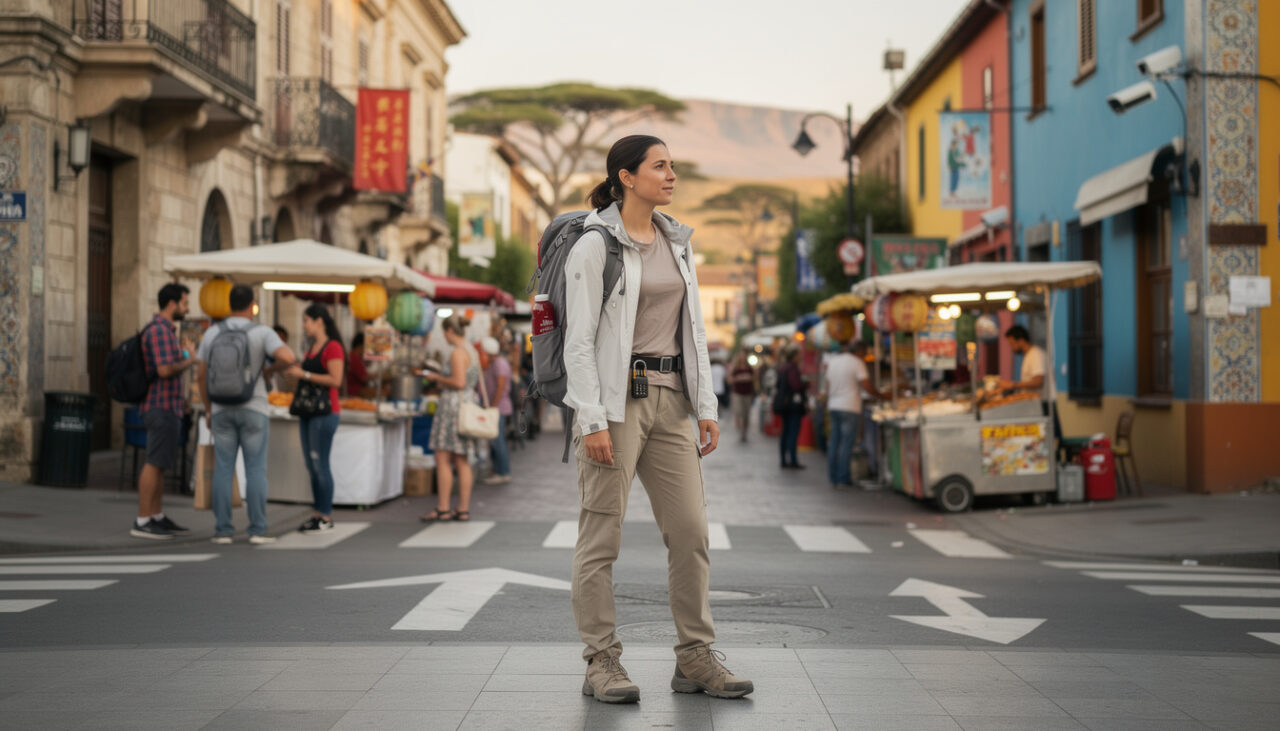
Solo female travel has moved from niche trend to global movement, with women travelers exploring neon-lit megacities, remote villages, and coastal retreats on their own terms. Travel safety no longer means hiding in your hotel; it means using smart travel precautions, tech tools, and cultural awareness to move confidently through airports, train stations, and backstreets. Around the world, women are testing their limits, booking that one-way ticket, and discovering that personal security can coexist with curiosity and spontaneity. From late-night rideshares in Bangkok to sunrise hikes in Lisbon, the goal is not zero risk, but informed choices and strong boundaries. With the right travel tips, emergency contacts ready, and a few self-defense strategies in mind, solo female travel becomes less about fear and more about freedom, growth, and writing a story that actually excites you. ✨
Key points about solo female travel safety worldwide
- 🌍 Solo female travel is safer than headlines suggest when women travelers combine research, street smarts, and flexible planning.
- 📍 Before departure, focus on destination research, smart booking, document backups, and sharing your itinerary and live location with trusted contacts.
- 🏨 On the road, prioritize safe destinations, well-reviewed hostels and hotels, and use tech like offline maps, rideshare apps, and translation tools.
- 🧠 Body language, social strategies, and cultural awareness often matter more for personal security than gadgets or gear.
- 🚨 Build an emergency plan with local emergency contacts, embassy details, insurance, and basic self-defense habits that feel natural.
- 💬 Connection reduces risk: learning to meet others safely, join activities, and recognize red flags turns every city into more familiar ground.
Solo female travel foundations: mindset, planning, and choosing safe destinations
Every powerful solo trip starts long before a boarding pass appears in an inbox. For women travelers, the mental shift from “could I really do this?” to “this is happening” often begins with a mix of nerves and quiet determination. Travel safety does not cancel adventure; it shapes it. The difference between a stressful trip and a steady one usually comes down to preparation, not personality.
A helpful way to picture it is through someone like Sara, a 29‑year‑old teacher planning her first solo vacation. She loves the idea of wandering European streets and soaking in hot springs somewhere in Asia, but scrolling through news stories leaves her tangled in worst-case scenarios. What changes things for Sara is breaking safety into layers: choosing relatively safe destinations for a first journey, adding smart travel precautions, and giving herself permission to start small rather than “conquering” the entire globe at once.
Starting small works like a dress rehearsal. Many women book a long weekend in a nearby city, or a solo staycation across town in a different neighborhood, just to practice checking into a hotel alone, eating solo at a restaurant, and handling public transport with luggage. This tiny trial already builds confidence. Packing, moving through stations, and finding the right platform becomes muscle memory before a passport even leaves the drawer.
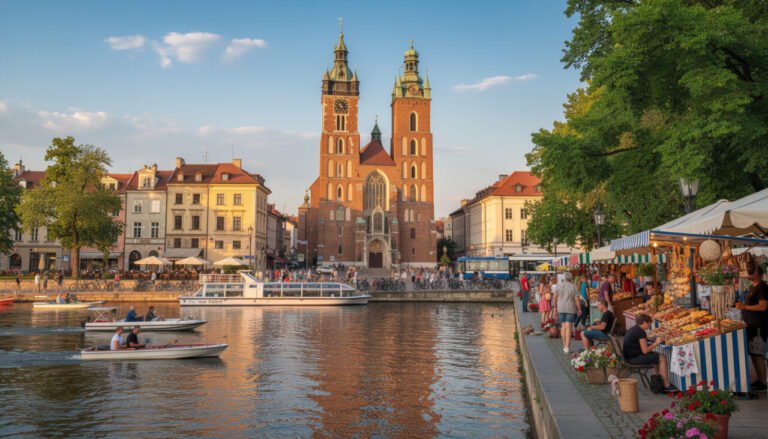
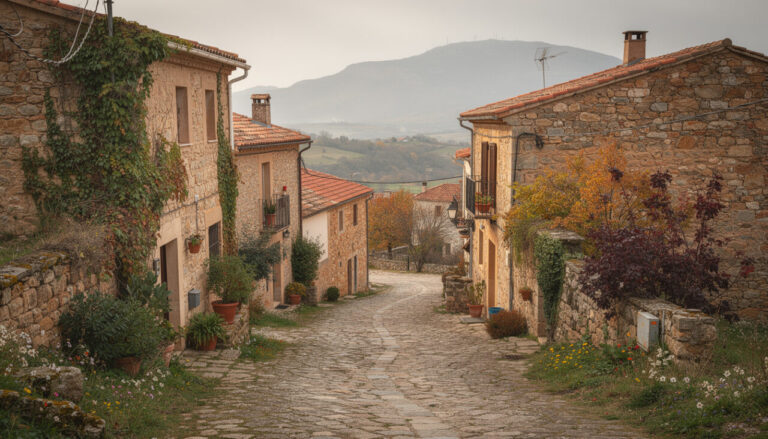
Destination choice also plays a huge role in early experiences. Some countries have strong reputations for travel safety, organized infrastructure, and a culture that supports independent exploration. Places like Japan, Iceland, Portugal, New Zealand, and many parts of Canada and Scandinavia consistently appear on lists of safe destinations for solo female travel thanks to low crime rates, reliable public transit, and helpful locals. That does not mean other regions are off-limits, only that the learning curve is gentler in those spots.
Research for solo female travel works best when it moves past glossy tourism slogans. Beyond “top 10 things to do,” digging into neighborhood breakdowns, late‑night transport options, and comments from other women travelers reveals what walking home actually feels like at 11 p.m. Blogs focused on solo female travel, Facebook communities like Girls Love Travel, and dedicated resources such as “Her Safe Voyage” style sites with neighborhood-level ratings turn vague fears into concrete data. When patterns appear—such as warnings about one specific district after dark—Sara can make grounded decisions instead of absorbing generalized anxiety.
Planning does not need a spreadsheet broken into 15‑minute blocks. A light structure for each day—say, one main activity, one backup activity, and a free block—strikes a balance between safety and spontaneity. That way, a solo traveler is not wandering aimlessly in unfamiliar areas at dusk because she never checked when museums close or where her last bus leaves from. A simple, realistic plan usually translates directly into better personal security.
Even the mental story matters. Solo travel safety sometimes gets framed as a list of “don’ts,” especially for women, which can feel suffocating. A more sustainable story sounds closer to: “This is my trip. I get to choose what feels aligned, and I trust myself to adapt.” The goal is not to be fearless but to stay responsive. Nervousness is not a sign to cancel; it is a sign to prepare.
By the time Sara locks her front door with a small backpack and a digital copy of her passport saved to the cloud, she is no longer relying on luck. She is standing on a foundation of research, clear boundaries, and a flexible plan. That foundation sets the stage for the next layer of solo female travel safety: using tech, documentation, and logistics as invisible bodyguards that quietly watch her back.
Digital armor and paperwork: tech, documents, and everyday travel precautions
Once a destination is locked in, digital armor becomes the quiet hero of travel safety. Phones, apps, and a few old‑school papers can turn chaotic train platforms and confusing border crossings into manageable moments. For women travelers, this invisible infrastructure matters as much as a sturdy pair of shoes.
Location sharing sits at the center of that system. Many solo travelers create a simple shared Google Sheet or Doc listing flight numbers, hotel addresses, booking references, and rough day plans, then share it with one or two trusted people. Combined with Find My on iPhone or Life360 and similar apps on Android, that means someone always has a live dot of where the traveler is. Scheduled check‑ins—say, a quick message after arriving in each new city—keep that system human. Safety here does not depend on constant surveillance, just predictable rhythm.
Offline tools carry equal weight. Signal can vanish between mountain tunnels, rural bus routes, and subway platforms. Offline maps like Maps.me or downloaded Google Maps areas turn that potential panic into a non-event. Routes back to the hotel, the nearest metro station, and the embassy are already stored. A lost connection no longer equals feeling lost. Offline translation via Google Translate also protects against miscommunication spiraling into vulnerability, especially when a taxi driver or ticket agent does not speak a shared language.
Document copies remain a classic piece of personal security. A clear scan of the passport photo page saved in encrypted cloud storage and sent to a trusted contact smooths the path if the original is stolen. The same goes for travel insurance details, vaccination records when relevant, and key emergency contacts such as local emergency numbers and the nearest consulate. Some travelers keep a slim printed sheet tucked into a money belt as a low‑tech backup.
Light, strategic packing relieves physical and mental load. A single manageable suitcase or backpack that the traveler can easily lift alone reduces frantic moments at steep staircases or crowded buses. Safety‑minded items earn their space: a portable battery pack ⚡ to keep phones alive, a compact doorstop alarm for certain guesthouses, and an anti‑theft bag with locking zippers. These tools do not replace common sense, but they create extra layers between a traveler and petty crime.
Here is a quick snapshot of how different tools support solo female travel safety worldwide:
| 🛠️ Tool | 🎯 Main safety benefit | 🌍 Typical use case |
|---|---|---|
| Offline maps app | Prevents getting lost, supports confident navigation | Finding way back to hostel at night in a new city |
| Location sharing | Trusted contacts can track movements if something feels off | Long bus journeys or intercity train rides |
| Anti-theft bag | Reduces risk of pickpocketing and bag snatching | Crowded markets, metros, tourist hotspots |
| Portable battery | Keeps phone powered for maps, calls, and rideshares | Full-day walking tours or multi-leg travel days ✈️ |
| Cloud document copies | Simplifies replacing documents during emergencies | Lost passport near border crossing or airport |
Tech alone does not seal all gaps, though. Behavioral routines matter just as much. Many seasoned women travelers develop micro‑habits: keeping their bag in front of them on public transport, avoiding placing phones on café tables near the street, and quietly scanning exits when entering a new space. None of these habits scream paranoia; they simply keep awareness switched on without draining joy.
Travel security also stretches into finances. Splitting money sources—part cash in a belt, part in a main wallet, one backup card in a hidden pocket—prevents a single mishap from turning into a crisis. Banking apps with instant freeze functions allow quick responses to suspicious charges. Keeping a modest emergency fund tucked away, separate from daily spending, offers psychological calm and real-world backup if plans collapse.
One understated but powerful travel precaution is staying vague in casual conversations. When someone overly curious at a bar asks which hotel a solo traveler is in, a light smile and “I’m staying nearby” closes the door. Exact room numbers, daily routines, or real‑time location never need to star in small talk. Loose lips online can create similar risk, which leads naturally into the next frontier of solo female travel safety: how, when, and what to share on social media in a hyperconnected world.
Social media, nightlife, and movement: staying safe while still living the story
Social feeds now double as travel diaries, but they can also become breadcrumb trails for the wrong person. For solo female travel, the gap between “sharing the moment” and oversharing can literally be a few minutes. The easiest rule many women adopt is a simple one: post on delay. Hotel shots go up after checkout. That dreamy rooftop bar selfie appears online once the bill is paid and the taxi door is closed. Real‑time location becomes a private detail, not a public broadcast.
An anecdote often shared among experienced travelers tells of a woman whose roommate posted a single interior shot of their apartment years ago. A sharp-eyed friend managed to deduce the exact building, corner, and likely floor from that image alone. If a benign acquaintance can do that, someone with darker motives could too. Delayed posting protects against that kind of accidental transparency. Check‑ins and geotags are far more powerful than they look on a screen.
Nightlife offers both magic and risk for women travelers. A moonlit walk beside the Danube, a flamenco bar in Seville, a jazz basement in New York—these experiences can become trip highlights. Travel safety at night leans on a few steady anchors: eating a real meal before drinking, pacing alcohol, “babysitting” every drink (never leaving it unattended), and arranging transport before heading out. Many travelers set a mental curfew that flexes with the city; strolling late in Tokyo feels different from weaving through certain bus stations after midnight in other parts of the world.
Body language here becomes a protective language. Standing tall, walking with purpose, and keeping headphones at a reasonable volume all reduce vulnerability. Eye contact that is brief but firm often sends a message: “aware, not available.” When unwanted attention appears, canned phrases help: “I’m meeting someone,” “I’m on my way,” or “My partner is waiting for me at the hotel.” None of these need to be true; they function as social self-defense rather than moral confessions.
Rideshare apps, where available, can be allies at night. Features such as driver verification, license plate confirmation, trip sharing, and emergency buttons add structure. A quick routine might look like this: check the plate against the app before opening the door, sit in the back seat, and share the ride with a trusted friend. If something feels off—strange detours, locked doors, inappropriate conversation—the traveler has both a digital trail and a contact already watching the route.
When taxis are the only option, extra travel precautions enter the scene: using official ranks, avoiding unmarked cars, sitting behind the driver, and following the route on a map even without speaking the local language. Pointing at a pinned map location and repeating the destination gives clarity; showing the driver the exact hotel card with address limits confusion. In cities where scammy routes are common, women often prefer rideshares simply because the journey is logged and rated.
All of this weaves into a broader pattern sometimes called “soft self-defense.” Rather than relying solely on physical self-defense classes—valuable, but not always accessible—soft tactics focus on route planning, exit awareness, and boundary‑setting. Saying no without apology, switching seats on a train when someone makes them uncomfortable, or leaving a bar mid‑conversation if a comment goes sideways are all valid moves. No social grace is worth staying in a situation that feels wrong.
For some travelers, a short self-defense workshop adds another layer, especially those that teach awareness, verbal de‑escalation, and a few simple physical techniques using everyday objects like keys or a whistle. The goal is not to become an action movie character, but to give the body a rehearsal for “what happens if” so that freeze responses shrink.
At the heart of this section lies a simple truth: solo female travel safety is not about avoiding life. It is about editing the situations that do not deserve a place in the story. Once a traveler can guard that line online, at night, and in transit, she becomes freer to do something equally critical—build connections and community on the road without surrendering personal security.
Connection without compromise: meeting people, hostels, and community for women travelers
One of the quiet myths about solo female travel is that “solo” equals “alone.” On the ground, the opposite is usually true. Women traveling solo tend to meet more people, not fewer, precisely because they move through the world without a built-in bubble. The trick is learning how to invite connection while still guarding personal security and boundaries.
Hostels, guesthouses, and social hotels have become informal campuses for global connection. The modern hostel is often unrecognizable compared with its stereotype: female‑only dorms, privacy curtains, individual lockers, and community events like walking tours or shared dinners are now common. Reading reviews through platforms like Hostelworld becomes a first safety filter, especially scanning what other women travelers say about staff attitude, neighborhood vibe, and late‑night entry.
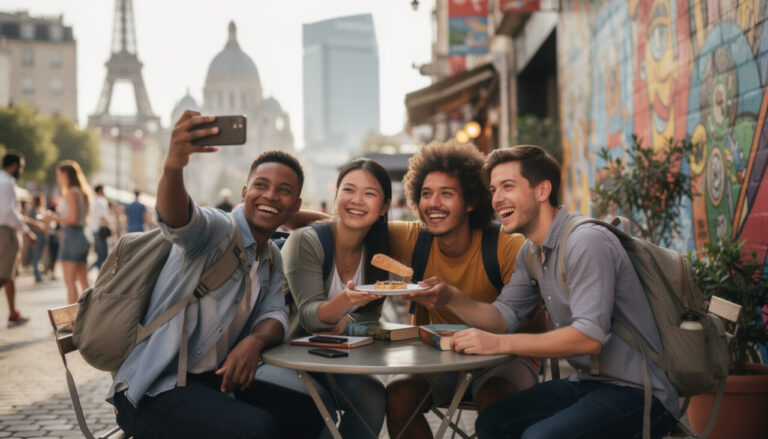
Community-oriented spaces—a hostel with a cozy lounge and game nights rather than an all‑night party bar—often create the best mix of company and calm. In those settings, conversation starts naturally over breakfast or during a free walking tour. A simple “Where are you from?” still opens doors in 2026, and from there, shared day trips, group dinners, or even long-term friendships emerge. Some travelers meet future travel buddies this way and later reconnect through platforms like solo travel friends communities when planning new journeys.
A few low‑risk strategies help keep those new bonds aligned with travel safety. Meeting new acquaintances in public, well‑lit places instead of private rooms, watching drink orders closely even among fellow travelers, and avoiding leaving valuables unattended in common areas keep boundaries clear. Swapping social media handles rather than room numbers or detailed itineraries preserves privacy while staying friendly.
Group activities also blend safety and social life. Cooking classes, language exchanges, food tours, or day hikes arranged via platforms like GetYourGuide or local tourist offices bring together small groups under professional guidance. For someone like Sara, joining a city bike tour or a street food crawl on her first evening transforms anonymous streets into familiar territory, backed by a guide who knows the safe and unsafe corners.
Online communities fill gaps before and during the trip. Dedicated solo female travel groups host threads where members share live updates: which metro lines feel crowded but fine, which neighborhoods suddenly have construction and detours, which guesthouses truly honor promises about late check‑ins. These spaces also work as emotional support, especially on tough days when logistics go wrong. Reading another traveler’s account of their messy bus journey through the same region can turn frustration into a shared story rather than a personal failure.
Connection, of course, includes staying connected to loved ones at home. Regular messages, photos shared on private chats instead of public feeds, and the occasional video call in a quiet hotel corner reassure families without handing over control of the trip. A simple script helps when anxious relatives question safety: sharing research about crime rates, emergency contacts, and the layered precautions in place often shifts the conversation from “don’t go” to “keep us posted.”
There is another side to this social equation: knowing when to withdraw. Not every invitation deserves a yes. Saying no to a late‑night beach party with strangers, leaving a hostel where the vibe feels off, or moving from a mixed dorm to a female-only one mid‑stay are not overreactions; they are self-respect in action. Solo female travel offers the rare luxury of answering to no group consensus. If the gut says, “Change the plan,” listening becomes a safety practice.
Some travelers also design anchor points into their trips—wellness retreats, yoga classes, or quiet spa days—where social pressure drops and nervous systems reset. For a globetrotter who loves hotels and wellness retreats, these pauses are not indulgences; they are strategic. A rested, centered traveler notices red flags faster, thinks more clearly, and meets others from a grounded place instead of loneliness or burnout.
The blend of community and caution, of laughter in hostel kitchens and locked lockers at night, is where solo female travel comes fully alive. Once a traveler can weave that blend, one final layer brings the journey full circle: a clear emergency playbook, so that even on the worst day, she knows exactly what to do next.
Emergency readiness and graceful resilience: turning worst-case fears into workable plans
Behind every confident solo traveler stands an invisible “just in case” plan. That quiet contingency blueprint turns abstract fears into practical steps, shrinking their power. Personal security becomes less about never facing problems and more about knowing what to do when something actually goes sideways—missed trains, lost passports, pushy strangers, sudden illness.
A well-prepared traveler usually starts with a compact emergency contact hub. On one digital note and one small printed card, she lists local emergency numbers (police, ambulance, fire), the address and phone of her country’s embassy or consulate, her travel insurance details, and one or two close contacts at home. Some also include the address of their current accommodation and a line such as, “In case of emergency, please contact…” translated into the local language. That way, a helpful stranger or medical professional can act even if language barriers loom.
Lost documents feel like every traveler’s nightmare, yet they are more nuisance than catastrophe when preparation meets calm. With passport copies stored securely online, a traveler can visit the nearest consulate, show those copies, file a report, and receive a replacement or emergency travel document. Keeping a backup debit or credit card separate from the main wallet and knowing how to freeze cards from a banking app turns theft into an inconvenience instead of a total freeze on movement.
Health plays its own unpredictable game. Solo female travel adds specific considerations here: access to gynecological care, contraception, or menstrual products can vary widely by region. A compact medical kit with essentials—painkillers, any regular prescriptions, basic first-aid, and a few rehydration sachets—handles minor issues. Travel insurance that covers emergency care and evacuation upgrades that toolkit from bandages to real backup. When something bigger happens, calling the insurer’s 24/7 line becomes step one; they guide hospitals, paperwork, and sometimes translation support.
When harassment or unsafe behavior appears, a simple personal protocol helps. Many travelers use a three-step pattern: leave, regroup, report. Leave the environment as soon as something feels wrong—changing metro cars, stepping into a shop, getting out of a rideshare in a lit area if necessary. Regroup somewhere safer such as a café, hotel lobby, or busy plaza to breathe and assess. If the incident crosses a line, report it—to hotel staff, tour operators, local police, or the app used for transport. Even when consequences feel uncertain, creating a record matters.
Mental resilience might be the most underrated aspect of travel safety. Anxiety often spikes not because danger is present, but because control feels thin. Breathing exercises, short grounding routines, or a familiar playlist become pocket-sized stabilizers. Some travelers keep a “comfort file” on their phones—photos of loved ones, saved voice notes, or a favorite movie soundtrack—to pull them out of spirals on long, restless nights in unfamiliar rooms.
At a more philosophical level, embracing “do it for the plot” can reframe mishaps. The bus that broke down in the countryside, the museum that was unexpectedly closed, the taxi that took the scenic route by accident—all these become scenes, not verdicts. The line between disaster and story often sits in hindsight. Knowing that future‑you might laugh at present‑you’s chaos can take the sting out of small emergencies.
A helpful way to visualize resilience is to picture three concentric circles of control:
- 🧭 Inner circle: reactions, boundaries, breathing, decisions about where to go next.
- 🚦 Middle circle: choices of routes, accommodation changes, contacting support networks.
- 🌪️ Outer circle: flight delays, weather, political events—things no traveler can dictate.
Solo female travel safety thrives when energy stays focused on the first two circles. Complaints about the third might be cathartic, but they rarely solve anything. Rebooking, rerouting, resting, and reaching out sit squarely in the domains where action still lives.
Even return journeys benefit from reflection. Back home, a traveler can review what worked and what did not: Were emergency contacts easy to access? Did one neighborhood feel less safe at night than expected? Would a different bag, hostel choice, or route have eased stress? Notes taken here feed right into the next adventure, making each trip an iterative upgrade rather than a reset.
Solo female travel, approached this way, becomes a long-term practice rather than a one-off dare. Travel tips grow more personal, instincts sharpen, and a private catalog of safe destinations, trusted routes, and reliable rituals accumulates. That quiet archive, built journey after journey, is the real safety net—woven not out of fear, but from repeated proof that she can handle whatever the road offers next. 🌍✨