City Breaks in Paris: Affordable Itineraries
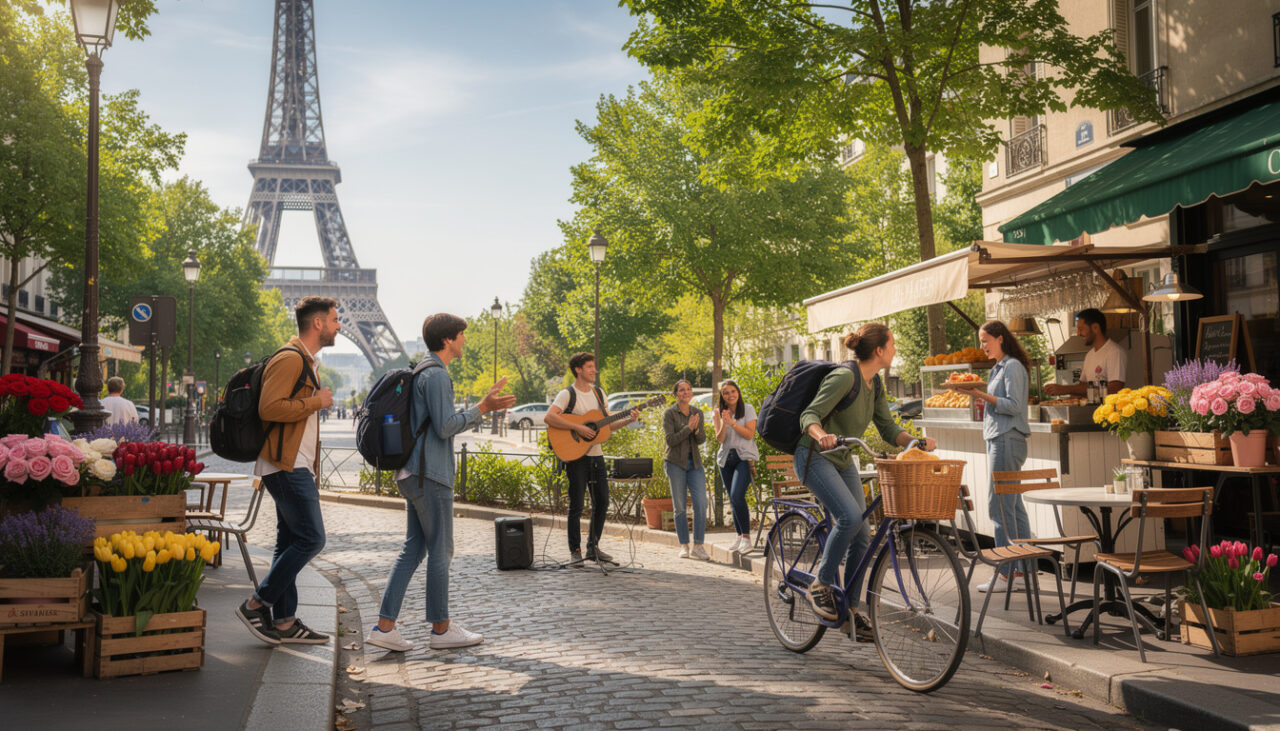
Paris keeps calling weekend travelers back, even those who swear they’re “done with it.” The cobbled streets of Montmartre, the glow of the Eiffel Tower after dark, the smell of warm croissants at 7 a.m. – these small moments still feel like pure cinema. At the same time, the city’s reputation for sky‑high prices scares off many people who dream of quick city breaks in Paris but assume they need a luxury budget. The truth is more nuanced. With the right mix of neighbourhood choices, cheap accommodation, smart metro use, and a flexible budget itinerary, a short stay can feel indulgent without empting a bank account.
Short trips work best when every hour already has a loose “storyline.” A Friday night arrival that flows straight into a Seine-side picnic, a Saturday that combines classic Paris sightseeing with a few low‑key cafés locals actually use, a Sunday morning that swaps lines at the Louvre for a sunrise over Sacré Cœur – each block shapes the mood of a weekend getaway. That’s where affordable travel gets interesting: the constraints force more creativity. Travelers start choosing bakeries over bistros, bookshops over malls, lookouts instead of lifts, and suddenly Paris feels more lived‑in, less like a theme park. For anyone who has ever looked at photos of the city and thought “maybe one day,” these compact itineraries prove “this year” is far more realistic than it seems.
Key points about affordable city breaks in Paris
- ✨ Discover how to build a budget itinerary for 48–72 hours that still includes major Paris sightseeing like the Eiffel Tower, Sacré Cœur, and the Louvre.
- 🏨 Learn where to find cheap accommodation, from hostels and couchsurfing to lesser-known budget hotels that keep you close to the metro.
- 🥐 Get practical travel tips on using the metro, buying passes, and timing visits so short city breaks feel relaxed, not rushed.
- 🍷 Explore budget dining through bakery runs, supermarket picnics by the Seine, and a handful of wallet‑friendly vegan and vegetarian stops.
- 🗼 Follow ready‑made, affordable itineraries for a one‑day sprint, a romantic weekend getaway, and a culture-heavy three‑day stay with free or affordable attractions.
- ✈️ Pick up ideas for cheap transport to Paris and compare costs, so affordable travel to the French capital feels tangible and stress‑free.
Affordable 48-Hour Paris Itinerary: Classic City Breaks Without the Price Tag
Short city breaks in Paris work best when the days are shaped around areas rather than checklists. A fictional traveler, Maya, lands on a Friday night with a modest budget and big expectations. Instead of racing all over the map, her budget itinerary flows through just a few districts per day. This keeps metro costs low, legs fresher, and energy focused on experiences rather than complicated connections. By the time she leaves on Sunday night, she has walked beside the Seine at sunset, climbed to Sacré Cœur at dawn, and snapped that Eiffel Tower shot – all for far less than friends expected.
Day one starts with arrival and orientation. Rather than chasing the Eiffel Tower immediately, Maya checks into a simple hostel near Gare du Nord and grabs a basic dinner at a nearby budget dining spot, like a bagel chain or a street‑side crêpe stand. That first evening, a slow walk down to the Seine helps reset the rhythm: street musicians, barges glowing on the water, and the distant sparkle of the tower at the top of each hour. No tickets, no queues, just free atmosphere.
Day 1: Evening Arrival, Seine Walk, and Eiffel Tower Views
For a Friday night arrival, a light plan keeps stress low. After dropping bags, a traveler can head towards Trocadéro using metro lines 6 or 9. Coming up the station steps and seeing the Eiffel Tower framed by fountains still sends a jolt, even for repeat visitors. Crowds gather, of course, but the viewpoint costs nothing. Those who want quieter photos can stroll a few streets away to Avenue de Camoens, where the tower peeks between Haussmann façades and trees, creating one of the most photogenic – and still free – angles in Paris. 📸
Food-wise, the best play is to skip sit‑down restaurants on night one. A supermarket stop for baguette, hummus, fruit, and a bottle of supermarket wine turns into a mini picnic on the low walls by the Seine. That mix of simple food, night air, and river reflections beats an overpriced tourist menu every time. This small ritual already unlocks affordable travel magic: Paris feels accessible, not exclusive.
Day 2: Montmartre, Sacré Cœur Sunrise, and Hidden Corners
Saturday can start brutally early – but in the most rewarding way. Reaching Sacré Cœur for sunrise requires a pre‑7 a.m. alarm, yet the payoff is huge. The basilica sits on Montmartre’s highest point, so the whole city spreads below as the sky softens from blue to faint gold. At this hour, crowds haven’t arrived, and the steps feel almost meditative. Many visitors only see this spot crushed with selfie sticks late afternoon; watching it wake up instead sets a completely different tone. 🌅
After sunrise, wandering downhill into Montmartre turns the morning into a gentle treasure hunt. Cafés on Rue Lepic start to open, and a place like Frais & de Saison becomes perfect for brunch – fresh pastries, eggs, some vegan options, and coffee sipped outdoors while people‑watching. A full morning can unfold between Sacré Cœur, small squares, and side streets covered in street art. The Moulin Rouge landmark near Blanche station marks a playful end to the neighborhood loop before heading back to rest or catch the metro.
Day 3: Louvre Courtyard, Notre Dame Area, and Last-Minute Wandering
On Sunday, travelers often face a choice: pay for big‑ticket museums or lean into free exteriors and cheaper experiences. Many short city breaks benefit from a middle ground. Walking through the Louvre courtyard at opening time, when the glass pyramids glow in the slanting light and tour buses haven’t fully arrived, gives all the visual drama with none of the cost. Those who truly love art can pay for a timed entry once, but a budget trip doesn’t need the inside to feel complete.
Following the Seine east towards Notre Dame, the island and its bridges turn into an open‑air gallery of stone and water. Even during restoration, the façade and flying buttresses reward a slow circuit. Around the corner, Shakespeare & Co bookshop tempts readers with crooked shelves and a small café – yes, coffee is pricey, but nursing one drink for an hour of reading can still be worth the splurge. By mid‑afternoon, many weekend getaway travelers already need to head towards the station or airport, which makes this gentle riverside loop the perfect closing act.
Anyone mapping their own 48‑hour dash can use this structure as a starting point and tweak details. The principle stands: concentrate, walk more than you ride, and trade one or two big‑fee attractions for several affordable attractions that cost nothing and feel more personal.
Smart Transport and Cheap Accommodation: How to Reach and Sleep in Paris on a Budget
Transport and lodging tend to swallow most of a Paris budget, especially on short city breaks where per‑night costs feel amplified. The trick lies in choosing the right combination: perhaps a cheap bus with an extra comfy hostel, or a more expensive Eurostar counterbalanced by couchsurfing. A fictional couple, Sam and Lina, use this logic repeatedly across Europe. Sometimes they pounce on last‑minute summer deals for flights, other times they change the dates of their weekend getaway to align with low‑fare days. Paris rewards that kind of flexibility.
Before booking anything, it helps to compare transport options. Eurostar from London offers speed – often just over two hours from St Pancras to Gare du Nord – with zero baggage drama, while budget airlines from other European cities sometimes beat those prices even after adding a small cabin suitcase. Coaches like FlixBus or Eurolines undercut both when schedules are forgiving, turning night journeys into de facto “rolling hostels.”
Reaching Paris: Planes, Trains, and Buses
From around Europe, cutting costs often starts at the search bar. Flexible travelers regularly mix rail and low‑cost carriers. Guides like this budget airlines review show how certain carriers keep fares low while charging for seat selection and bags, a detail that matters when visiting Paris with only a small backpack for a 2‑night escape. Charles de Gaulle and Orly remain the main airports, both fully linked to the RER and buses, so arriving late at night still feels manageable.
For those based in the UK, the Eurostar often beats flying once all hidden costs are counted. No transfers to far‑out airports, no liquid worries, and far fewer delays. Booking months in advance can unlock fares that rival budget carriers, especially outside school holidays. For ultra‑tight budgets, overnight buses roll out of London, Brussels, Amsterdam, or Berlin. A ticket under €20 isn’t uncommon on less popular days, making Paris suddenly affordable for students or first‑time backpackers.
Choosing Cheap Accommodation that Still Feels Like a Treat
Accommodation shocks many visitors. Hostels asking €45–€55 for a dorm bed in peak season can feel surreal. Yet there are ways around this. Some travelers mix one hostel night with one couchsurf stay, leveraging the social advantage of a hostel bar for one evening and the authentic local experience of sleeping in a spare room the next. Others dig into lesser‑known budget hotels in outer arrondissements, anywhere with quick metro access and a safe atmosphere.
Couchsurfing stories in Paris range from quirky to heartwarming: one guest might find themselves hosted by an accountant in a purple robe who loves early‑morning markets; another discovers a musician’s tiny studio above a bakery. These experiences cost no money but require courtesy, clear communication, and flexibility. For those who prefer predictability, hostel chains near Gare du Nord and Gare de l’Est serve as perfect crash pads: clean, social, slightly soulless, but reliable bases for affordable travel.
Sample Cost Breakdown for a Weekend in Paris
To make numbers less abstract, here’s a simplified estimate for a 2‑night stay for one traveler who mixes budget habits with one or two small treats. Real prices vary by season, but this gives a handy benchmark to keep a budget itinerary realistic. 💶
| Category ✨ | Low Budget Option 💸 | Approx. Cost per Day (€) 📊 |
|---|---|---|
| Accommodation | 10–12 bed hostel dorm | 45–55 |
| Food & Drinks | Bakery breakfast, supermarket picnic, one cheap meal | 15–25 |
| Transport | Metro tickets / day pass | 7–10 |
| Sightseeing | Mostly free viewpoints, 1 paid attraction | 0–20 |
| Extras 🎁 | Coffee, pastry, small souvenir | 5–10 |
Many travelers comfortably sit between €60 and €75 a day when visiting museums and cafés, while ultra‑strict backpackers who cook or picnic can scrape closer to €40. Being honest about where personal joy comes from – a good coffee, a hostel bar, or a river cruise – helps decide where those euros do the most work.
Short city breaks don’t need the same gear as long backpacking trips, yet smart packing still cuts costs. Those who enjoy hopping between continents might even borrow tricks from guides about light packing for flights to keep luggage fees away and make metro rides up and down Paris stairs much easier.
Using the Paris Metro and Walking Routes for Efficient Sightseeing
Efficient movement changes the whole energy of city breaks in Paris. A smart mix of metro and walking turns a potentially stressful rush across town into a sequence of scenic strolls. Travelers who only have a weekend can’t afford to waste time puzzling over ticket machines every few stops, so a tiny bit of preparation pays off. Knowing which lines lead to Montmartre, Trocadéro, or Châtelet‑Les Halles in advance lets the brain focus on croissants and architecture instead of maps.
A fictional solo traveler, Diego, lands with no roaming data and relies entirely on offline maps and station names scribbled in a notebook. He quickly learns that the metro is clean, frequent, and intuitive once a few key hubs are memorized. After that, walking becomes his secret weapon: up the stairs from Blanche station into the neon glow of Moulin Rouge, down side streets to secret viewpoints, across bridges towards Notre Dame at sunset. 🚇
Metro Basics for a Budget Itinerary
The metro covers almost all mainstream Paris sightseeing spots. Line 2 gets close to Montmartre, line 6 glides over the Seine with glimpses of the Eiffel Tower, and line 1 crosses the central corridor near the Louvre and Châtelet. Buying a day pass or a small pack of tickets often undercuts pay‑per‑ride fares for weekend getaway travelers who plan to move a lot. A small, folded metro map in a back pocket feels old‑school, yet still beats draining a phone battery by lunchtime.
Before heading out, noting down stations for the day’s three or four main stops keeps everything smooth. For instance, “Blanche – Montmartre – Sacré Cœur”, “Trocadéro – Eiffel Tower”, “Châtelet‑Les Halles – Cloud Cakes” might fill one day’s page. If signal drops, that scrap of paper becomes a lifeline. Learning a few French phrases like “sortie” for exit or “correspondance” for transfer also calms any lingering nerves.
Walking Routes That Turn Paris into a Free Open-Air Museum
Walking remains the most underrated budget strategy. Rather than hopping on the metro between every monument, creating loops transforms the city into a lived experience. A popular route starts at Trocadéro, winds down to the river, follows the right bank past barges and street vendors, and eventually reaches the Louvre courtyard. From there, continuing along the water brings visitors closer to Notre Dame and its surrounding bookstalls.
Another beloved path unfolds in Montmartre. From Blanche station, the neon windmill of Moulin Rouge anchors one end. Side streets like Rue Lepic climb gently towards Sacré Cœur, offering cafés, bakeries, and the kind of shopfronts that make postcards feel honest. Each corner becomes an invitation to pause for photos or a quick espresso, transforming a steep hill into a string of tiny rewards.
Practical Transport Travel Tips for City Breaks
To keep the transit budget low without sacrificing comfort, a few habits really help:
- 🗺️ Cluster sights by area: group Eiffel Tower and Trocadéro on one day, Montmartre on another, central museums and river walks on a third.
- 🚇 Travel outside rush hour: mid‑morning and mid‑afternoon trains are calmer and feel safer for nervous riders.
- 📶 Save offline maps: download Paris maps before arrival so metro exits and walking routes stay visible without data.
- 👟 Wear shoes for cobblestones: blister‑free feet make walking between sights enjoyable instead of exhausting.
- 🪙 Keep change handy: some older ticket machines still prefer coins, which can be a surprise for card‑only travelers.
These small choices turn confusing transfers into a relaxed rhythm and keep the focus on the city rather than the mechanics of crossing it. Efficient transport always sets up more memorable evenings, whether that’s a spontaneous picnic or one last detour to a favourite viewpoint.
For visual planners, short video guides on routes and stations can be helpful reference when sketching a weekend plan.
Budget Dining in Paris: Vegan Bites, Bakeries, and Picnic-Perfect Food
Food shapes the emotional memory of any city break, and Paris dishes up plenty of temptation. The stereotype centers on starched white tablecloths and multi‑course menus, yet the real soul of budget dining lives elsewhere: at boulangerie counters, overstuffed falafel wraps, vegan burgers, and grocery store aisles lined with camembert. When wallets stay closed more often, appetites adjust in creative ways. Travelers learn to feast like students – with style.
A fictional group of friends – Alex, Nour, and Priya – arrive determined to taste the city without hemorrhaging cash. They decide early that they’ll splurge on coffee or cake occasionally but keep most main meals under €10. This small pact turns every discovery into a shared victory: the perfect €1 espresso, the vegan pizza that rivals their hometown favourite, the bakery where a still‑warm baguette costs less than a metro ride. 🥖
Everyday Fuel: Bakeries, Supermarkets, and Cafés
Breakfast might be the easiest meal to keep affordable. Almost every neighborhood hosts several bakeries offering croissants, pains au chocolat, and baguettes at very low prices. Grabbing a pastry and a basic coffee on the go often comes in under €4, leaving plenty of room in the daily budget. Supermarkets like Carrefour City or Monop’ sell fresh fruit, yogurt, snacks, and good bottled water, ideal for piecing together a picnic.
For coffee and cake, Cloud Cakes has become a quiet favourite among plant‑based travelers. The peanut and chocolate cake has almost legendary status online, and the menu stretches into light lunches and soups. Sitting there with a slice, watching people drift past outside, gives all the café‑culture feels without demanding a three‑course commitment.
Vegan and Vegetarian Treats on a Budget
The rise of vegan spots has transformed budget city breaks in Paris for travelers who don’t eat meat. Places like Hank’s Vegan Pizza & Burgers serve up doughy bases piled with generous vegan cheese and toppings, or stacked burgers that feel like pure junk‑food heaven. Prices are still friendly compared to sit‑down restaurants, especially if shared between friends.
A different kind of feel‑good comes from Furahaa Break, a vegan fast‑food style joint staffed entirely by deaf employees. Customers can point or use simple signs – helpful illustrations decorate the walls – turning the order process into a tiny cultural exchange. Supporting this kind of project leaves travelers with the sense that their euros carried extra weight, feeding both stomach and community. 🍔
Quick Bites for On-the-Go Sightseeing
When the goal is squeezing maximum Paris sightseeing into limited hours, portable meals shine. Chains like Bagelstein dot the city, perfect for grabbing a loaded bagel and coffee before heading to Trocadéro or Avenue de Camoens for photos. Falafel, crêpes, and even supermarket salad bars add variety without forcing long dinner stops.
For longer trips across Europe, some travelers extend this logic and look at how family budgets stretch elsewhere, whether that’s comparing costs with affordable family escapes in Greece or other popular summer destinations. Those mental comparisons often make a €6 sandwich in central Paris feel surprisingly reasonable.
Evening Picnics and Low-Cost Romance
One of the most beloved habits among budget-savvy couples and friends is the Seine picnic. A late‑afternoon supermarket run collects olives, cheese, bread, fruit, and a bottle of mid‑range wine. A spot along the river walls near the Île de la Cité or further west towards the Eiffel Tower becomes the dining room. Street performers, passing locals on rollerblades, and the gentle swell of boat traffic turn the setting into a live film set, no reservation required. 🍷
This approach keeps dinners under control cost‑wise and transforms the city from a backdrop into an active part of the meal. Instead of watching Paris through a restaurant window, travelers feel woven into its texture. For many, that memory beats any splurge dinner and becomes the detail they talk about long after the trip ends.
Food‑focused travelers often turn to video guides when shortlisting spots, especially around vegan options and local bakeries clustered in particular neighborhoods.
Affordable Attractions and Hidden Corners: Making Paris Sightseeing Work on a Budget
When budgets tighten, sightseeing strategy matters. Paid attractions stack up quickly, yet city breaks in Paris don’t collapse if a few famous interiors stay unchecked. The city rewards those who look up, linger, and sidestep glossy brochures. Rooftops, staircases, plazas, and church steps all offer their own experiences, many free or nearly so. Travelers who get comfortable skipping some queues often end up feeling closer to the city’s personality rather than just its postcard poses.
A fictional digital nomad, Leila, spends three days between meetings, giving herself one paid attraction per day and promising to fill the rest of the hours with free or affordable attractions. This self‑imposed rule nudges her towards places she might otherwise overlook: quiet side streets in Montmartre, the little square behind Notre Dame, and bridges that glow at blue hour without tickets or time slots.
High Views: Arc de Triomphe and Sacré Cœur
Climbing the Arc de Triomphe feels like stepping straight into a movie about old‑world Paris. The spiral staircase – almost 300 steps – can leave legs shaking, yet the view delivers a full 360‑degree sweep of rooftops and boulevards spreading from the Champs‑Élysées in perfect symmetry. Tickets cost a fraction of some other major observation decks and occasionally fall under reduced schemes, especially for younger visitors. 🌇
Up in Montmartre, Sacré Cœur offers its own panorama from the basilica steps – completely free. Those willing to climb even higher into the dome can pay a modest fee for an extra‑dramatic skyline. Between these two vantage points, travelers can tick the “big city view” box without paying for every possible tower and rooftop platform.
Ground-Level Magic: Louvre Courtyard, Notre Dame, and the Seine
The Louvre’s exterior deserves its own dedicated visit. The contrast between historic palace wings and the modern glass pyramid works strangely well, especially in soft morning light. Photos snapped here at opening or at night often feel more impressive than crowded interior shots of the Mona Lisa taken over a sea of raised phones. Those obsessed with art can still invest in a ticket, but quick, free visits across a weekend give a taste of grandeur without schedules.
Even during restoration phases, Notre Dame remains a haunting presence on the Île de la Cité. Circling the structure on foot reveals flying buttresses, portals, and statues that textbooks never capture. Travelers do need to stay alert near crowds due to pickpocketing, yet basic awareness keeps most visits problem‑free. Just beyond, the Seine-side bookstalls stacked with vintage prints and novels offer slow, inexpensive browsing that feels quintessentially Parisian.
Neighbourhood Wanderings as Free Entertainment
Some of the city’s best moments unfold far from famous monuments. Montmartre’s side streets, with ivy‑draped houses and small local markets, reward anyone who lets go of the map. Evenings around artsy cafés, mornings spent watching locals queue for their favourite boulangerie, afternoons spent lost in side alleys: this kind of wandering costs nothing and often burns itself into memory harder than any museum plaque.
Other districts, like Canal Saint‑Martin or parts of Belleville, attract younger crowds and bring a different edge: second‑hand shops, street art, and informal bars by the water. These zones suit travelers who enjoy mixing classic Paris sightseeing with newer, slightly scruffier corners that locals favour on warm nights.
Choosing One Paid Highlight Per Day
To keep spending predictable, a simple rule works wonders: choose one paid attraction per day and let the rest be free. Options include:
- 🖼️ The Louvre or Musée d’Orsay for art lovers.
- 🗼 Eiffel Tower summit for those committed to the classic climb.
- 🏛️ Arc de Triomphe rooftop for view‑hunters.
- ⛪ Sacré Cœur dome or Sainte‑Chapelle for stained‑glass enthusiasts.
- ⛴️ Short Seine cruise at dusk for romantic cityscapes.
This framework prevents “just one more ticket” syndrome, which can derail even the best‑planned budget. It also encourages deeper enjoyment of each choice rather than rushing through three major sights in a single afternoon. In the end, a well‑chosen handful of experiences, rich in personal meaning, beats a frantic race any day.