Last-Minute Ski Trips to the Austrian Alps
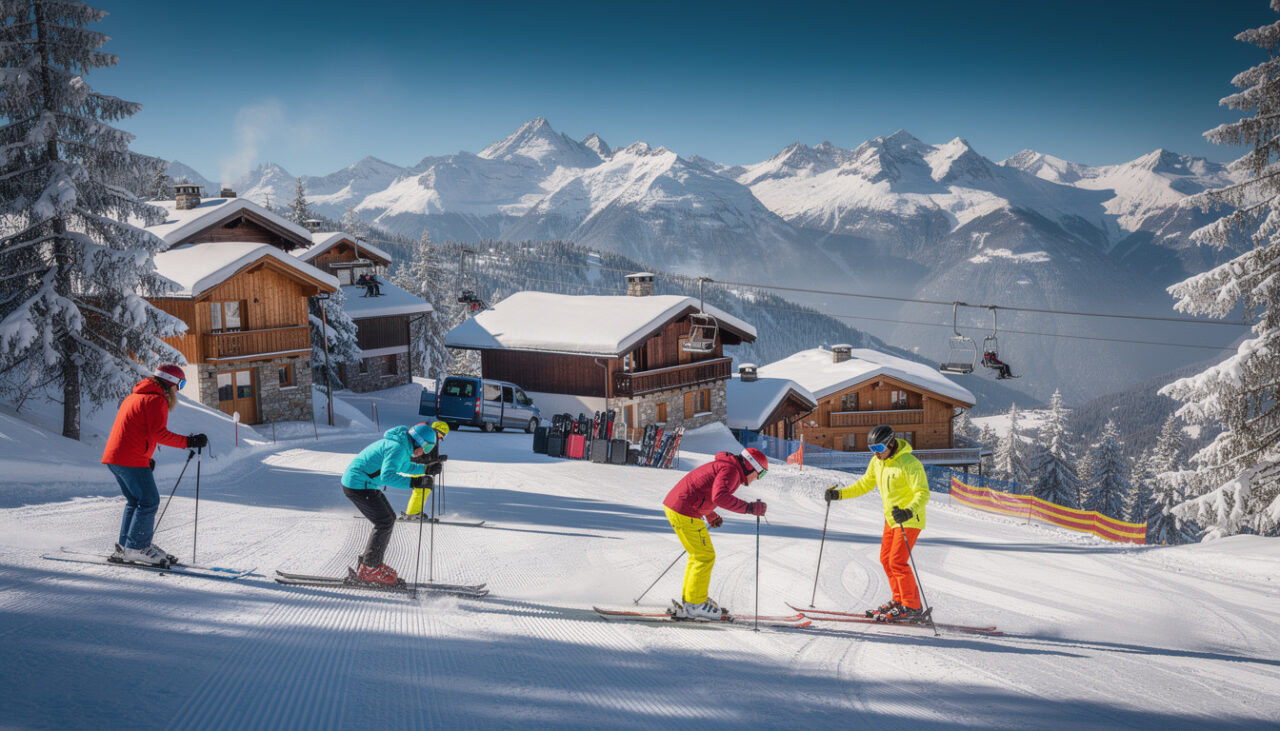
Last-minute ski trips to the Austrian Alps have a special kind of electricity: snowflakes glowing in the floodlights, Tyrolean villages humming with après-ski, and the thrill of saying yes to a spontaneous winter vacation when most people are still staring at their calendars. Alpine resorts across Austria have become masters at hosting spontaneous getaways, from Salzburg’s quick-access slopes to the vast ski circuits of Tyrol and Vorarlberg. With flexible short stays, bundled ski pass offers, smart deals on ski rentals, and fast airport transfers from Munich, Innsbruck, or Salzburg, a mountain adventure can go from a vague idea to reality in a single evening of planning. For skiers and snowboarders who thrive on impulse and value, this kind of trip turns the classic ski holiday into something leaner, more exciting, and often surprisingly affordable. ❄️⛷️
Key points about last-minute ski trips to the Austrian Alps
- ⏱️ Speed & spontaneity: Austrian Alps hubs like Innsbruck and Salzburg offer short transfers to big ski areas, ideal for long weekends or 2–5 night breaks booked at the last minute.
- 💶 Smart savings: Dynamic transfer pricing, midweek travel and package deals that bundle ski pass, ski rentals and accommodation keep costs under control even in peak winter vacation periods.
- 🎿 Flexible ski days: Short-stay passes, afternoon arrivals and night-skiing mean more Skiing and Snowboarding time, even on a compressed schedule.
- 🏔️ Resort variety: From Zillertal and Saalbach-Hinterglemm to Gastein, travellers can mix spa culture, thermal baths and wellness with hardcore mountain adventure.
- 🌱 Conscious choices: Eco-minded skiers can combine shared transfers, sustainable Alpine resorts and green chalets to reduce the footprint of their last-minute trips.
- 🧳 Low-stress planning: Packing hacks, cheap-flight tools and loyalty schemes simplify logistics so the focus stays on fresh tracks and cosy hotel nights.
Last-Minute Ski Trips to the Austrian Alps: Why Spontaneity Wins Big
Spontaneous ski getaways to the Austrian Alps live in that sweet spot between freedom and just enough structure. A group of friends spots a snowy forecast on Thursday, grabs a late flight on Friday, and by Saturday morning they are carving across the wide, rolling pistes of the Zillertal or Saalbach-Hinterglemm. That level of spontaneity works in Austria because the infrastructure is tuned for fast, flexible travel: compact airports, efficient rail and road links, and alpine resorts clustered close enough that a missed plan can quickly morph into a better one.
Short stays are a big part of this story. Many hotels and apartments around classic ski hubs now offer 2–5 night stays based on real calendar gaps, not just the old Saturday–Saturday rule. That means travellers can swoop in from Sunday to Thursday, avoid crowd-heavy weekends, and pay less for both accommodation and transfers. A couple planning a quick winter vacation after a busy quarter at work can check into a design-led lodge above Zell am See on Monday night, ski hard for three days, and be back at their desks Friday morning with that healthy, mountain-tired glow. 😌
The economics of last-minute trips often look counterintuitive at first glance. Everyone assumes that late bookings are expensive. Yet dynamic pricing on airport transfers and accommodation can flip the script. When operators see midweek gaps or unsold seats, discounts appear—sometimes up to half off the usual rate. Shared transfers from major airports to Austrian resorts, for example, use a pricing engine that constantly reacts to time of travel, fleet availability, and current promotions. When a transfer bus would otherwise run half empty, a savvy skier can snap up a bargain ride and keep more budget for a quality ski pass or a splurge meal in a mountain hut.
Groups gain even more leverage. A crew of four or more friends combining their plans often unlocks extra reductions, such as percentage-off codes aimed at group trips. One fictional case is a Berlin-based team—call them Team Frost—who decide on a whim to chase a big storm cycle in the Austrian Alps. By booking a shared transfer, applying a group discount, and travelling midweek, they shave hundreds of euros off the total cost. That saving goes straight into an upgraded hotel with a wellness spa and a balcony looking over the floodlit pistes. Spontaneity is no longer the reckless choice; it becomes the smart move for people who track deals closely.
Timing also plays a huge role. Last-minute Ski Trips built around weekdays rather than weekends come with extra perks that have nothing to do with price. Lift lines shrink, pistes feel roomier, and ski schools have more availability for private lessons. Those who enjoy Snowboarding park laps or off-piste guiding find it simpler to book their favourite local pro when they are not competing with the Saturday crowds. Between January lulls after New Year and the long, sun-drenched days of March, Austria’s mountains offer windows where conditions shine and demand softens.
Spontaneous travellers often crave more than pure Skiing. They want contrast: steep reds in the morning, thermal baths in the afternoon; a sleepy, lantern-lit village one night and a DJ-driven après event the next. Austrian resorts cater to that duality. Gastein, for instance, lets visitors combine open bowls and forest runs with historic spa architecture and steaming outdoor pools. A last-minute weekend there feels like two trips in one—wellness retreat and mountain adventure seamlessly intertwined.
At the heart of all this lies a mindset shift. Instead of planning one big ski week months in advance, many skiers now stitch together shorter, opportunistic dashes to the mountains. Weather models hint at a powder spike? A quick scan of cheap-flight tools and dynamic transfer offers turns that forecast into an actionable plan. That agility keeps the season alive from first snowfalls to late-spring corn, and it turns the Austrian Alps into a flexible playground rather than a once-a-year pilgrimage.
Spontaneity becomes a form of strategy: keeping the calendar just loose enough to say yes when the mountains call, and using the tools and offers now available to make that yes genuinely accessible.
Choosing Austrian Alpine Resorts for a Last-Minute Winter Vacation
Choosing the right corner of the Austrian Alps on short notice can turn a decent trip into something unforgettable. Each valley and resort area carries its own personality, and matching that energy to the mood of a last-minute escape makes all the difference. Some places tempt with huge interconnected ski domains; others seduce with spa culture, slow evenings and quiet streets. The beauty of booking late is that travellers can lean into what is available right now—best snow, most attractive deal, or the cosiest hotel room that just opened up due to a cancellation.
Saalbach-Hinterglemm, often bundled with Leogang and Fieberbrunn, works brilliantly for those who want kilometre after kilometre of groomed pistes and a lively après scene. A duo heading out for a quick mountain adventure can land in Salzburg, hop on a transfer, and be working their way around the full SkiCircus loop by lunchtime. Long blue and red runs, fast modern lifts and trail connections mean no two days have to feel alike, even on a short break.
For travellers chasing variety and wellness, the Gastein valley stands out. Its trio of resorts—Bad Gastein, Bad Hofgastein and Sportgastein—share a mix of steep descents, open high alpine bowls and tree-lined cruisers, all backed by a thermal spa tradition that dates to the Belle Époque. After a day of Skiing or Snowboarding, soaking in hot outdoor pools while snow swirls above the steam creates the kind of memory that lingers long after the trip ends. Last-minute bookers often score attractive spa packages midweek, when local hotels look to fill gaps around weekends.
Families and beginners often lean toward gentler areas like the Zillertal’s lower villages, or smaller Tyrolean resorts with strong ski school reputations. Here, last-minute travel has another advantage: more flexible lesson slots and smaller group sizes. Parents who secure a bundle including accommodation, ski pass and ski rentals can reduce the stress of coordinating multiple moving parts on a compressed timeline. A straightforward transfer, pre-booked gear waiting at the shop, and an instructor already assigned for the first morning keep the focus where it belongs—watching kids link their first turns. 🧒⛷️
To make comparisons easier for a spontaneous planner, it helps to see how a few typical Austrian destinations line up for quick trips:
| 🏔️ Resort Area | 🚗 Approx. Transfer Time from Salzburg/Innsbruck | 🎿 Best For | 💡 Last-Minute Advantage |
|---|---|---|---|
| Saalbach-Hinterglemm | ⏱️ 1.5–2 hours | Non-stop piste mileage, après-ski, mixed-ability groups | Late package deals, flexible short-stay hotels, lively even midweek |
| Gastein Valley | ⏱️ 1.5–2 hours | Wellness + Skiing, couples, intermediates | Spa-inclusive offers, less crowded slopes at off-peak times |
| Zillertal (e.g., Zell am Ziller) | ⏱️ 1–1.5 hours from Innsbruck | Families, varied terrain, day trips to multiple areas | Good availability on apartments, flexible ski pass lengths |
| Kitzbühel region | ⏱️ Around 1.5 hours | Iconic pistes, race culture, stylish old town | Shoulder-date deals between major race events 🏁 |
Transfer time often decides whether a last-minute idea stays daydream or becomes action. Destinations within two hours of an airport slot perfectly into Friday-evening-to-Monday-night weekends. More remote valleys still work, but they shine on 4–5 night Ski Trips when travellers can justify a longer journey with more slope time.
Accommodation style shapes the vibe too. Austria leans heavily on hotels rather than self-catered apartments, which suits many spontaneous visitors who prefer to arrive, drop their bags and head straight to the bar or spa. For those who favour self-catering, smaller pensions and modern apartments still exist but often need earlier searching. An eco-led traveller might gravitate toward lodges that echo the philosophy found in guides to sustainable cabins in the Alps, choosing properties that run on green energy, source local food and reduce waste.
Personal energy plays a quiet but decisive role here. A tired urbanite seeking restorative quiet might feel more at home in a tucked-away valley hotel with candle-lit dinners and long sauna sessions. A thrill-chaser, on the other hand, might crave a festival atmosphere, floodlit night-skiing and DJ sets. The Austrian Alps hold space for both, and last-minute availability often nudges travellers toward experiences they might never have planned on paper—yet end up loving.
Choosing the “right” resort for a spontaneous trip turns out not to be about perfection. It is about listening to what kind of winter story feels exciting right now and letting the landscape and last-minute offers shape the details.
How Transfers, Flights and Deals Shape Your Alpine Basecamp
Behind every great last-minute escape sits a surprisingly strategic travel puzzle. Cheap-flight apps track price drops from regional airports straight into Salzburg or Innsbruck. A late-evening flight lines up with a shared transfer coded with a small discount—maybe 5% off for groups using a promo like ALPS4U, or a loyalty perk for returning customers. Dynamic pricing engines quietly reward off-peak travel, especially midweek departures when traffic on valley roads calms and drivers can shave up to ninety minutes off the transfer compared with Saturday gridlock.
Travel partners link together more than just rides. Some bundle lift passes and ski rentals with transport, offering up to 20% off transfers when lift tickets or equipment are booked through their system. For a last-minute traveller, that bundling does more than save money; it reduces friction. Arrive, grab the pre-arranged gear, pick up the prepared ski pass, and step onto the gondola—no wandering through town comparing rental shops, no standing in long ticket lines while the best snow of the morning melts away.
Travelers who explore broader-budget strategies often draw on experience from other regions. Someone who has learned tricks for wringing maximum value from low-cost carriers—like those discussed in a detailed budget airline review—will bring that same sharp eye to Alpine travel. They watch for seasonal promos around Christmas, Black Friday or late-season events, slot their trip into the best-priced window, and let the mountain choose them rather than the other way around.
Good logistics never erase spontaneity; they simply give it more room to breathe.
Money-Saving Tactics for Late-Booked Skiing and Snowboarding
Last-minute travel carries a reputation for blowing budgets, yet the Austrian Alps keep rewarding those who know how to play the game. Cost control starts long before boots hit snow, from cheap-flight searches to smart transfer timing and well-chosen ski pass options. With a handful of simple tactics, a late-booked winter vacation can undercut the price of a meticulously planned trip while still feeling indulgent.
Flight strategy comes first. Flexible dates and airports make a huge difference. Midweek departures often undercut weekend flights, while flying into slightly less obvious airports and transferring a bit farther can help. Apps that track global fares, much like those reviewed in roundups of cheap global flight tools, spot drops that line up with snowstorms and shoulder weeks. When a Monday or Tuesday flight plummets in price, a travel-minded crew can move quickly, stitching the rest of the trip around that anchor.
Transfers offer another field of savings, especially with operators that use dynamic pricing. Factors like day of travel, departure time, and fleet availability all nudge the fare up or down. Travellers who slide their transfer time from a hectic Saturday morning to a calmer Sunday evening sometimes see double-digit percentage drops. Shared transfers, where multiple groups split a minibus, introduce more reductions while keeping comfort levels high. Promo codes—maybe 5% off for Geneva-origin rides or 10% tied to particular events—layer extra value on top.
Resort-side costs often overshadow flights and transfers, so packing them together strategically helps. Bundled deals that connect accommodation with a Ski Pass and ski rentals simplify both budget and planning. A four-day pass rather than a full week matches the length of a short stay; partial-day tickets let late-arriving skiers enjoy an afternoon on the slopes without paying for a full day. Many Austrian resorts quietly release last-minute packages where unsold hotel rooms are paired with reduced pass prices, especially outside public holiday peaks.
Simple timing tweaks create less obvious savings. Travelling outside school holidays, avoiding the Christmas–New Year rush, and targeting January or late-March windows often leads to lower prices and better snow. Weekday lunches at mountain huts, for example, may feature specials that never appear on weekend menus, while rental shops sometimes offer midweek gear discounts when demand dips.
There is also a mindset shift around what deserves a splurge. A traveller might choose a modest village guesthouse but invest in a private guide for one unforgettable day in untouched terrain, or pick a cheaper transfer to afford a massage at a wellness spa. With last-minute trips, value feels more about how money shapes moments rather than ticking boxes. A single glowing memory—sunset laps over Gastein’s peaks or a hushed ride on a nearly empty gondola—often feels more valuable than an extra star on a hotel listing.
For those keeping a close eye on cash, a simple checklist helps keep plans sharp:
- 💸 Travel midweek whenever possible for cheaper flights, quieter transfers and lower accommodation rates.
- 🚐 Consider shared transfers and look for promo codes, especially for groups of four or more people.
- 🎫 Match ski pass length precisely to your stay instead of defaulting to longer options.
- 🎿 Pre-book ski rentals through partners that bundle discounts with transfer or pass purchases.
- 🏨 Target late-release packages where hotels pair spare rooms with reduced passes.
- 🧾 Track your “big three” costs—flight, transfer, pass—and let accommodation flex around them.
When those elements align, last-minute Ski Trips to the Austrian Alps stop feeling like a gamble and start looking like a well-timed opportunity. The mountain does not care when you booked; it only cares that you show up ready to ride.
Packing Smart for Compressed Alpine Adventures
Cost-conscious, last-minute travel also benefits from smart packing. With short stays, every kilogram in a suitcase counts, especially for budget airline fares. Travellers borrow tactics from guides to long-haul efficiency—such as the methods shared in resources on packing hacks for long flights—and adapt them for winter gear. Rolling base layers, decanting toiletries, and wearing bulkier items like ski jackets and insulated boots on the plane free up space and slash baggage fees.
Carrying a compact capsule wardrobe focused on quick-drying merino, versatile midlayers and one stylish-but-warm evening outfit keeps luggage lean. Renting helmets and sometimes even skis or snowboards at the resort avoids hauling heavy cases through airports and train stations. When equipment, lift passes and transfers all sync smoothly, travellers are left with nothing to worry about except which run to tackle first.
Wellness, Festivals and Culture: Beyond the Pistes on Last-Minute Trips
Spontaneous Ski Trips to the Austrian Alps deliver far more than mileage on the slopes. The most memorable weekends often weave together wellness, culture and a dash of night-time energy. Austria, with its tradition of spa towns, mountain music and winter festivals, keeps offering ways to deepen a quick visit without weighing it down with rigid itineraries.
Wellness plays a leading role in regions like Gastein, where historic thermal baths meet contemporary design hotels. A couple slipping away for a three-night winter vacation might ski the high bowls of Sportgastein in the morning, then retreat to candle-lit pools and saunas in the evening. The shock of moving from icy air to mineral-rich hot water feels like a reset button for city-worn bodies. For many, these experiences become the anchor of their last-minute getaways, with Skiing and Snowboarding forming the exhilarating interludes between long stretches of rest.
Other valleys, from Tyrol to Salzburg’s outskirts, have invested heavily in modern wellness complexes attached to hotels or standing alone near gondola bases. Infrared cabins, herbal steam rooms and relaxation lounges look straight out of high-end wellness retreats, yet fold naturally into ski life. A group of friends might dedicate one afternoon entirely to spa time, catching gondola laps only in the golden hours around dawn and dusk.
Festival culture brings a different kind of warmth. The Alps host an evolving calendar of music and snow events: big-name DJs spinning under starry skies, live bands playing on temporary stages right beside blue runs, and race events like the Hahnenkamm in Kitzbühel that fill historic towns with energy. Travel partners often tie promotions to these events, using codes that unlock transfer discounts for festival-goers travelling within a three-day window either side of the dates. That structure suits last-minute planners, who can watch line-ups and snow reports before committing.
Consider a fictional group, the “Night Laps Crew,” who spot a late release of tickets for a mountain music festival. They grab discounted transfers using a festival code, check into a small B&B above Kitzbühel, and split their days between cheering racers on the legendary Streif and dancing to live sets in the evening. Their trip, stitched together at short notice, dissolves the usual boundary between culture and sport; the mountain backdrop remains constant even as the scenes around them shift.
Food and drink rituals deepen the sense of place on these short escapes. A steaming plate of Kasnocken after a cold day, a carefully poured glass of Grüner Veltliner in a timber-lined Stube, or a hot chocolate on a sun terrace above the clouds can all carry as much emotional weight as a perfect powder turn. Because last-minute trips compress time, each of these moments feels heightened. There is no “we’ll come back next week”; everything happens now.
Eco-minded travellers often look for ways to make spontaneous joy compatible with long-term responsibility. Choosing shared transfers over solo taxis, staying in energy-efficient lodges, and supporting local producers all tug a last-minute trip toward a lighter footprint. That ethos echoes broader shifts toward greener travel worldwide, from sustainable cabins in the Alps to eco-conscious sea voyages. A traveller who picks a guesthouse that sources food locally and heats with renewable energy sees their quick escape not as an indulgence in isolation, but as part of a better pattern.
Culture runs through small gestures too—listening to live accordion music in a village bar, learning a few words of Austrian German, or watching locals glide past on classic wooden toboggans. Even a short stay offers glimpses of traditions that have endured far longer than any social-media trend. The valley lights fade in the late evening; the mountains remain, steady and snow-covered, inviting the next spur-of-the-moment visit.
A last-minute trip that blends wellness, festivals and quiet cultural detail leaves a different imprint than a purely athletic weekend. The story that travellers carry home is richer, and it keeps pulling them back when the next snowstorm rolls across the Alpine forecast.
Sustainable, Connected and Future-Proof: The New Shape of Spontaneous Alpine Travel
Last-minute ski trips to the Austrian Alps sit at the intersection of three powerful currents: the craving for freedom, the demand for value, and a growing awareness of environmental impact. As infrastructure, technology and traveller behaviour evolve together, spontaneous mountain adventures are becoming more connected, more thoughtful and more tailored to individual rhythms.
On the tech side, booking tools have shrunk the gap between idea and reality. Real-time transfer quotes, instant accommodation confirmations and digital Ski Passes all mean that an entire winter vacation can be assembled from a phone on a lunch break. Loyalty schemes—such as programs where repeat customers earn up to 10% back in credit—reward those who keep returning to the Alps, turning impulse trips into part of a longer-term relationship with the mountains. Newsletters offering introductory discounts on first transfers nudge hesitant newcomers to take the leap.
Partners in the travel chain increasingly recognise that collaboration benefits everyone. Transfer operators work with tour companies and booking platforms to provide reliable, affordable connections across major Austrian gateways. Some even expand fleets with mid-size minibuses and full coaches, making it easier for large groups and corporate retreats to travel together without multiplying emissions. B2B deals that give partner clients a 10% cut on transfers to certain regions widen access yet again.
Sustainability threads through all of this. Shared transfers keep more cars off winding mountain roads. Modern fleets reduce emissions and boost safety, while smart routing and midweek scheduling avoid long idling queues at resort entrances. On the ground, more Austrian resorts invest in efficient snowmaking, careful water use and green-certified buildings. Travellers who once saw last-minute trips as guilty pleasures now have options that align far better with evolving values.
At the same time, the emotional draw of the Alps has not changed. Fresh snow on larch trees, the muffled silence of an early-morning chairlift ride, the first sparkles of village lights on the ride back to the hotel—these sensory details remain the core reason people book. What has changed is the flexibility surrounding them. One season, a traveller might craft a budget-focused dash with a shared hostel room and discounted transfers; the next, they might upgrade to a boutique spa hotel, financed by loyalty credits accumulated over earlier journeys.
Experiences in other destinations often feed these decisions. Travellers who have tested affordable itineraries in urban centres, like curated routes through Paris that focus on value rather than luxury, bring that same curiosity to the Alps. They know that luxury can hide in simple moments: the right viewpoint, the right hut, the right timing for a sunset descent. Spontaneous trips encourage this mindset, because there is rarely time to over-plan. Instead, travellers tune into local advice—drivers’ tips, hotel staff recommendations, ski instructors’ favourite spots—and let the valley reveal itself.
Looking ahead, the most exciting aspect of last-minute Ski Trips lies in their adaptability. Weather patterns shift; infrastructure updates; new lifts open and old villages emerge from obscurity with renovated hotels and creative food scenes. Those who travel on impulse are perfectly positioned to ride these waves, choosing each winter’s trip not from habit but from live conditions and real-time opportunities.
When the next snowstorm moves across the forecast maps, someone will glance at their calendar, open a flight app, skim transfer deals and text a friend: “Austrian Alps this weekend?” Within an hour, flights, transfers, ski rentals and a ski pass will be aligned. A day later, they will be standing at the top of a ridge, wind tugging at their jacket, eyes sweeping across a sea of peaks. The decision will feel less like a purchase and more like an answer to a question the mountains have been asking all along.
Spontaneous Alpine travel keeps evolving, but its heart stays the same: a simple, powerful yes to snow, speed and the serene quiet of high places.