Hidden Gems in Spain for Off-Season Travel
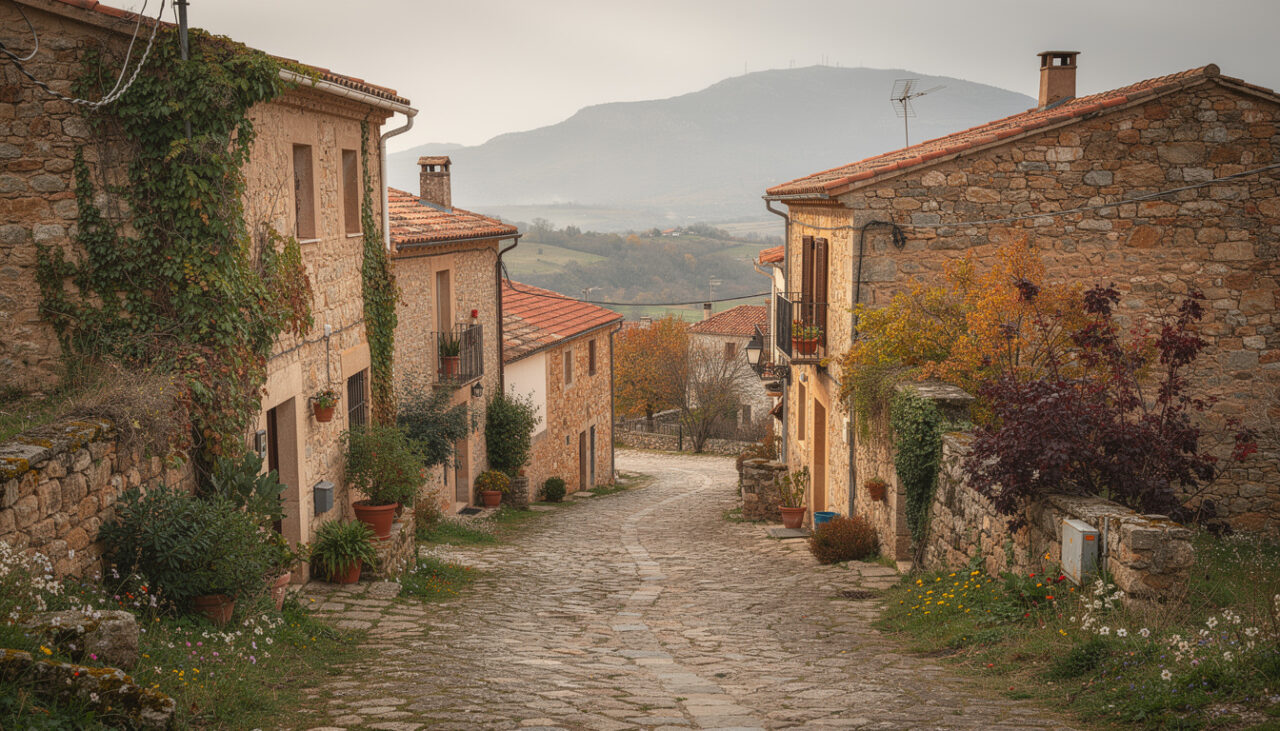
The addictive echo of feet stamping to a flamenco rhythm, cold air on the skin after a long hike in the Picos de Europa, and bar tops drowning in pintxos in quiet northern cities: this is the side of Spain that reveals itself when the crowds go home. Away from the classic hotspots of Barcelona and Madrid, off-season travel opens doors to hidden gems that feel almost private. Medieval hill towns glow peach at sunset, coastal villages serve steaming seafood to locals instead of tour buses, and wine regions welcome curious guests like old friends. For travelers hunting authentic experiences, these lesser-known travel destinations deliver that precious mix of quiet places, rich local culture, and pleasantly affordable travel. Seasonal shifts reshape each region: cider season in Asturias, patio festivals in Córdoba, contraband reenactments on the Portuguese border. Exploring these undiscovered spots outside peak months turns Spain into a different country—more patient, more generous, and infinitely more memorable.
Key points about hidden gems in Spain for off-season travel
- 🌍 Off-season Spain means fewer crowds, softer prices, and easier conversations with locals in truly quiet places.
- 🍷 Northern wine regions like Rioja, Valladolid, and Murcia’s Monastrell country mix affordable travel with world-class tasting experiences.
- 🏔 Mountain areas such as Picos de Europa, Babia, and Potes become cinematic backdrops for slow hiking and deep local culture encounters.
- 🏖 Coastal hidden gems like Gijón, Cudillero, Calella de Palafrugell, and Port de Sóller shine outside summer, when beaches and promenades feel like private stages.
- 🏰 Medieval and Roman towns—Cuenca, Segovia, Cartagena, Lugo—offer museum-level architecture with the relaxed rhythm of off-season travel.
- 🎭 Seasonal festivals and food rituals in Córdoba, Sanlúcar de Guadiana, and San Sebastián turn seasonal tourism into pure immersion and authentic experiences.
Mountain and Village Escapes: Quiet Hidden Gems in Northern Spain
When summer heat bakes the south and the Mediterranean coasts overflow with sunbeds, the northern mountains stay unexpectedly gentle. For travelers craving quiet places and fresh air, the combination of limestone peaks, stone villages, and honest mountain food in northern Spain feels like a secret that should probably never trend on social media.
A fictional couple, Emma and Luis, found this out the moment they traded Barcelona’s queues for the valleys around Potes. One misty morning, they watched clouds lift from the jagged ridges of the Picos de Europa, revealing peaks that might as well have been teleported from the Dolomites. Off-season, the trails were almost empty, bar the occasional cowbell or shout from a shepherd. Instead of tour buses, a local cheese maker in nearby Cabrales welcomed them into a damp cave, torchlight bouncing off wheels of ripening blue cheese. That single tasting—strong, salty, and earthy—did more to explain Asturian pride than any guidebook.
Picos de Europa and Babia: Wild horizons without the masses
The Picos de Europa national park stretches across Asturias, Cantabria, and León, a playground of limestone spires, deep gorges, and medieval hamlets. In August, some famous trails can feel busy, but from late September through late spring, the area transforms. Accommodation prices drop, trailheads gain parking again, and conversations with guesthouse owners lengthen into stories about harsh winters and vanished mountain routes.
Nearby, the highland region of Babia stays even quieter. Peaks over 2,000 meters, glacial lakes, and wide valleys form a biosphere reserve that hikers still whisper about. In off-season months, paths around Peña Ubiña or the valleys near Cabrilanes are often shared only with a few local walkers and their dogs. Short daylight hours in winter invite slower days: morning in the hills, afternoons in village bars where a steaming cocido or hearty fabada replaces any need for fine dining.
Potes and Laguardia: Storybook villages with serious flavor
The village of Potes sits at the confluence of four valleys, watched over by medieval towers and crossed by old stone bridges. Outside high summer, its cobbled lanes feel like a movie set between takes. Market days are a sensory onslaught: cheese samples, smoky cured meats, local honey, and generous pours of orujo served with a shrug and a smile. For travelers used to fighting through crowds for postcard views, being urged to “try another slice, it’s on the house” can feel surreal. ✨
Further east, the walled town of Laguardia in Rioja Alavesa delivers a different mountain-village mood. Five old gates lead inside, but the real secret lies beneath: some 250 underground tunnels used as wine cellars. Cars are largely banned from the center to protect this honeycomb of caves, so streets stay blissfully quiet. Off-season, tasting rooms such as Bodega El Fabulista have time to walk guests through traditional methods, finishing with a glass of red in a lantern-lit cellar that feels half monastery, half speakeasy.
Cabrales and hidden cheese caves: Flavor as a time machine
In the green folds near Picos de Europa, the hamlet of Cabrales hides one of the most memorable authentic experiences in rural Spain. In off-season months, the Cueva del Queso de Cabrales museum becomes less of a tour and more of a conversation. Guides, often from families who still produce the cheese, walk visitors through the underground galleries where wheels mature in dripping darkness.
Tastings in these caves hit differently when rain drums softly outside and mist clings to the valley. Without peak-season crowds, there’s time to ask why certain pastures are prized, or how climate shifts are nudging the aging process. For slow travelers, this is where seasonal tourism becomes a living classroom—one that ends with a chunk of pungent blue on crusty bread and a glass of Asturian cider.
Mountain escapes like these show how off-season travel in northern Spain trades spectacle for connection, offering landscapes that feel personal rather than postcard-perfect.
Coastal Hidden Gems in Spain: Quiet Bays, Working Harbors, and Soft Light
While famous resort strips chase the summer surge, a different set of coastal hidden gems in Spain thrive when things slow down. Off-season travel along the Costa Verde, Costa Brava, and Balearic shores delivers fishing villages and port towns stripped back to who they truly are. Waves still break, seafood still arrives at dawn, but the soundtrack shifts from beach bars to seagulls and clinking coffee cups.
A small group of friends from Dublin—searching for undiscovered spots with decent Wi‑Fi—found their base in Gijón. They worked mornings from apartments overlooking the bay, then walked barefoot along San Lorenzo beach in the pale winter sun. In the evenings, they traded after-work drinks for sidra poured from arm’s length in local sidrerías, learning to catch the cider in their glasses without flinching. That blend of normal life and coastal calm is exactly what makes northern beaches shine outside summer.
Gijón, Cudillero, and Lastres: The Atlantic’s quiet curve
On Asturias’ Green Coast, Gijón balances a long urban beach, Art Nouveau façades, and underground Roman baths. Off-season, locals reclaim the promenade. Surfers pick bigger winter swells, retirees walk lap after lap along the sand, and travelers blend into a genuinely lived-in city. Accommodation prices often dip well below summer levels, turning this into a perfect hub for affordable travel.
From here, day trips to seaside villages keep the tempo low. Cudillero clings to a rocky amphitheater, pastel houses stacked like theater seats around a tiny harbor. Off-season, its viewpoints—high above the lighthouse and old town—offer windswept solitude instead of selfie traffic. Nearby Lastres, known to Spanish TV fans from the series “Doctor Mateo,” serves up steep cobbled streets, pretty churches, and one of the most cinematic viewpoints on the northern coast: the San Roque mirador, where the village appears as a cascade of roofs dropping into the sea, backed by the distant Picos de Europa. 🌊
Calella de Palafrugell and Tossa de Mar: Costa Brava with character
The phrase “Costa Brava” tends to summon images of party strips, yet off-season this coast becomes one of Catalonia’s loveliest travel destinations. In Calella de Palafrugell, wooden fishing boats still rest on the sand, whitewashed arches frame the sea, and small coves remain perfectly walkable even in low, golden light. Restaurants stay open for locals and a trickle of savvy visitors, so grilled fish and rice dishes arrive at the table without any sense of rush.
A short drive away, Tossa de Mar adds drama. The medieval fortress of Vila Vella rises above twin beaches, stone walls guarding a maze of alleys. Wander them on a crisp autumn afternoon, and it’s hard to believe this is the same Spain known from crowded beach brochures. Cafés inside the old walls serve hot chocolate instead of frozen cocktails, and the walk to the lighthouse becomes a contemplative stroll rather than a shuffling queue.
Balearic islands beyond party season: Port de Sóller and quiet Ibiza
The Balearic islands have spent decades branding themselves around nightlife, yet a different story plays out from late autumn to early spring. On Mallorca, the vintage tram between Sóller and Port de Sóller rattles past orange groves, carrying hikers, locals, and a few off-season travelers instead of packed tour groups. The port itself feels like a movie backdrop: horseshoe bay, shuttered townhouses, and a promenade made for aimless wandering.
On Ibiza, the shift is even more striking. As islanders pivot away from an all-night reputation, villa retreats, wellness weekends, and food-forward getaways take center stage during shoulder seasons. Quieter resorts like Santa Eulalia and Portinatx stay open just enough to feel welcoming, giving visitors space to explore pine-clad coves, hilltop villages, and UNESCO-listed Dalt Vila without neon distraction. This is seasonal tourism redesigned, turning a former party epicenter into an island of reflection, long lunches, and sunset hikes.
Collectively, these coastal corners show how off-season travel in Spain’s seaside regions can trade crowds and queues for stillness and soft light, while keeping every ounce of coastal charm.
Wine and Food Routes: Affordable Travel Through Spain’s Secret Cellars
Food and wine shape every conversation in Spain, but outside the peak months they become even more central. Vineyard teams have time to talk. Tapas bars slow the pace. Seasonal dishes appear—wild mushrooms, roasted chestnuts, hearty stews—ready to comfort travelers who use cooler months to trace the country’s culinary map. For those hunting authentic experiences, these quieter periods turn hidden gastronomic corners into the most memorable travel destinations.
A solo traveler, Nadia, built her entire winter route around Spanish wine: Logroño in La Rioja, Valladolid in Castilla y León, and the lesser-known Murcia wine route in the southeast. Her budget stretched further than expected off-season, with tasting menus at prices that would barely cover a glass back home. More than anything, the lack of crowds meant winemakers themselves often led the tours, pouring their own story into every glass.
Logroño and San Sebastián: Pintxos, pinchos, and secret kitchens
In Logroño, capital of La Rioja, the nightlife revolves around Calle Laurel. Off-season evenings here are electric without being chaotic. Locals drift from bar to bar, ordering a single pincho—a small skewer of food often served on bread—and a glass of local vino tinto before moving on. Visitors who follow their lead discover how each bar specializes: one known for grilled mushrooms, another for chorizo, yet another for slow-cooked pork cheek. 🍷
Further north along the Basque coast, San Sebastián already dominates foodie bucket lists, yet its most fascinating side stays almost invisible. Around 150 private gastronomic societies—txokos—hide in basements and backstreets. Members share keys, recipes, and stories as they cook side by side. Off-season, some small-group tours gain access to these spaces, turning a typical restaurant dinner into a communal feast where guests watch, stir, and taste alongside locals. It’s a hidden layer of city life, proof that local culture here grows as much in underground kitchens as in Michelin-starred dining rooms.
Valladolid and Rioja Alavesa: Wine education without the stiff collar
Valladolid flies under the radar for most international visitors, yet the province hosts five DOP appellations and around twenty grape varieties. Off-season, high-speed trains from Madrid empty into a city buzzing with students and wine lovers, not tour groups. The Museo Nacional de Escultura delivers baroque intensity inside a 15th‑century college, while nearby bars pour local reds that rarely leave Spain’s borders.
Combine the city with excursions to surrounding vineyards, and an entire world of hidden gems appears: family-run bodegas, experimental natural wine makers, and tasting rooms set inside reimagined farmhouses. Nearby Laguardia, already mentioned for its medieval charm, anchors the Rioja Alavesa region. In off-season, vineyard restaurants like Villa Lucía Espacio Gastronómico host long lunches where the line between tasting and storytelling happily blurs.
Murcia and Cartagena: Monastrell vines and coastal kitchens
The region of Murcia might be one of mainland Spain’s best-kept wine secrets. Towns like Bullas, Jumilla, and Yecla sit along a dedicated wine route shaped by the Monastrell grape. Unlike towering trellises, Monastrell vines grow low and wide, dotting the landscape with stubby silhouettes. Off-season, the vineyard roads stay empty, and tasting rooms have time to pour generously and explain patiently.
What makes this route such a gift for affordable travel is the value: elaborate tasting menus paired with multiple wines often come in under €40. On top of that, unusual accommodation options—windmills in orchards, castles turned into rural hotels, vineyard stays—remain easier to book outside high season and usually at kinder prices.
Down on the coast, the port city of Cartagena adds archaeological flavor to the mix. A Roman amphitheater peeks between tapas bars and graffiti-splashed walls, while the National Museum of Underwater Archaeology showcases shipwrecked treasures in relative quiet. After a day of ruins and harbor walks, tucking into local seafood and regional wine—at prices far below Barcelona’s—is the sort of everyday luxury that turns off-season Spain into a habit rather than a one-off trip.
| 🍇 Region | 🍷 Signature grape / specialty | 💶 Off-season advantage |
|---|---|---|
| La Rioja (Logroño) | Tempranillo, classic barrel-aged reds | Fewer tour buses, easier access to iconic bodegas |
| Rioja Alavesa (Laguardia) | Elegant reds aged in underground caves | Quieter tunnels, personal tastings with winemakers |
| Valladolid province | Verdejo, Tempranillo, blends from 5 DOPs | Affordable travel, student energy, uncrowded museums |
| Murcia (Bullas, Jumilla, Yecla) | Monastrell and experimental reds | Low-cost tasting menus, unusual rural stays |
| Basque Country (San Sebastián) | Txakoli and pintxos culture | Access to private txokos via tours, fewer queues in bars |
Follow these routes, and food and wine stop being background pleasures—they become the framework for a slower, tastier approach to off-season travel in Spain.
Historic Towns and Cities: Roman Stones and Medieval Walls Without Crowds
Some of Spain’s most impressive treasures aren’t beaches or tapas bars but stone: Roman bridges, Gothic cathedrals, Moorish fortresses, and entire city centers that feel untouched by time. In peak season, these places can feel like open-air museums. With off-season travel, they revert to what they really are—living towns whose residents know their history is extraordinary, but still need to buy groceries and pick up children from school.
A small architecture group from Berlin once mapped their route entirely around such places: Segovia, Cuenca, Lugo, and Cáceres. By traveling outside holidays, they found themselves alone inside chapels, in near-empty plazas, and on city walls where footsteps echoed more than voices. Their photos captured frost on stone battlements, not crowds behind ropes.
Segovia and Lugo: Everyday life behind World Heritage labels
Segovia sits an easy train ride from Madrid, yet on a gray November day the Roman aqueduct can belong to a single early riser. Each granite block stands without mortar, a 2,000‑year lesson in engineering towering above morning dog walkers and delivery vans. Nearby, the Alcázar de Segovia—its turrets rising like something from a storybook—hosts a museum of armory and royal rooms, but the best views come from outside. Climb to the Mirador del Alcázar opposite the fortress, and the entire complex rises over river and rock like a sculpture.
On the other side of the country, Lugo guards its own Roman secret: the only fully intact Roman walls encircling a city anywhere in the world. Off-season, walking the full loop becomes meditative. Locals use the ramparts as a jogging track or shortcut across town; visitors trace the outline of the old settlement while watching modern life play out below. Roman baths still linger under a more recent spa complex, reminding everyone that this has been a place to soak and linger for centuries.
Cuenca, Cáceres, and Cartagena: Layers of time in quiet streets
Cuenca seems to float. The old town balances on a rocky spur between two gorges, colorful houses stacked above river and rock. The famous Casas Colgadas—“hanging houses” that appear to dangle off the cliff—deserve their photos, yet wandering beyond them is where off-season magic lives. Narrow alleys open suddenly to views across the karst landscape; church doors stand open between services; a café log fire draws in chilled explorers at dusk. With fewer visitors, conversations stretch. A bar owner might explain how snow sometimes isolates the old town, or how festivals fill the gorge with sound and color in spring.
Cáceres, in Extremadura, has enjoyed a brief spike in fame thanks to fantasy series shooting scenes of King’s Landing here. That wave has already receded, leaving behind an old town of Gothic and Renaissance palaces, Arab walls, and towers that ring out the hours. Off-season evenings here are hushed. A handful of visitors wander cobbles polished by centuries, occasionally glancing up at stork nests balanced on church roofs. Local restaurants serve Extremadura’s pride: Jamón Ibérico from black pigs raised on acorns. Prices stay generous compared with more famous cities, making this a satisfying stop for those chasing affordable travel with serious flavor.
Back on the Mediterranean, Cartagena offers another kind of time travel. Founded by the Carthaginians, layered by Romans, Byzantines, and modern Spain, it packs millennia into a compact port city. The Roman theater, once buried and forgotten, now unfolds between apartment blocks and cafés. Off-season schedules at the city’s museums—especially the underwater archaeology collection—allow unhurried visits. Outside, palm-lined promenades and harbor views soften the weight of all that history.
Almería and Guadix: Desert light and cave dwellings
Almería stands where desert meets sea, framed by dry sierras and crowned by an 11th‑century Alcazaba fortress. Off-season, the city loses much of its package-tour shine and regains a frontier feel. The Alcazaba’s ramparts look across the port and out to the Tabernas desert, where spaghetti westerns and more recent epics were filmed. Inside the fortress, intricate water channels and gardens speak quietly of Moorish knowledge of drought-resistant living, a topic that feels more relevant each passing year.
Inland, the town of Guadix hides another world below ground. The Barrio de Cuevas—cave district—sprinkles white chimneys across ochre hills, each marking a home dug into the rock. Staying overnight in a cave house during cooler months turns a quirky idea into the coziest of experiences. Underground rooms stay naturally insulated: cool in summer, comfortably warm in winter with a small heater or fireplace. Walking the barrio at dusk, with smoke rising from dozens of chimneys, travelers sense how past and present overlap here, and how seasonal tourism barely scrapes the surface of such places.
Together, these towns prove that some of Spain’s strongest stories are written in stone, waiting for travelers willing to trade heat and crowds for sharp air and empty streets.
Festivals, Rituals, and Local Culture: Seasonal Tourism with Soul
Traveling out of season doesn’t mean missing out on energy or celebration. Across Spain, some of the most memorable events flower outside peak summer: flower festivals in spring, contraband reenactments before Easter, and courtyard competitions as temperatures begin to rise. Travelers who plan around these moments discover local culture that hasn’t been smoothed over for mass tourism yet still welcomes outsiders curious enough to show up.
A fictional group of friends from Toronto timed their trip to hit three such events: the Patio Festival in Córdoba, the Contraband Festival in Sanlúcar de Guadiana, and a cooking-club dinner in San Sebastián. They spent more time with residents than with other visitors, and their photos—courtyards bursting with geraniums, border guards in costume laughing at faux smugglers, strangers sharing recipes over wine—tell a different story of seasonal tourism.
Córdoba’s flower-filled patios: Hidden courtyards opened to the world
Every May, when Andalusian heat begins to sharpen but high season hasn’t arrived, Córdoba throws open its doors—literally. The city’s Patios Festival dates back to 1918, survived interruptions during the Civil War, and today turns private courtyards into fleeting public art installations. For two fragrant weeks, residents decorate patios with cascades of potted plants, bright tiles, and fountains, inviting visitors inside free of charge, with donations encouraged. 🌺
Wander these neighborhoods off-season, and the patios are mostly closed, but echoes of the festival remain: vivid tiles, wrought-iron balconies, fountains glimpsed through half-open doors. During the event itself, streets fill with a mix of locals, domestic tourists, and a growing number of international travelers who’ve learned that off-season doesn’t always mean quiet. What it does mean is context. Hosts are happy to talk about watering routines, plant varieties, and family history, turning floral displays into conversations about resilience, pride, and neighborhood identity.
Sanlúcar de Guadiana and the smuggler’s festival: Playful history on the border
On the Guadiana River, the white village of Sanlúcar de Guadiana faces its Portuguese cousin Alcoutim. For most of the year, this is a sleepy place whose main surprise is a cross-border zip line—Limite Zero—that sends riders over the river and back in time one hour thanks to the time-zone shift. 🚡
At the end of March, though, the villages awake. The Contraband Festival celebrates their shared smuggling past with a wink: temporary “border guards” in costume, market stalls selling crafts and food, music drifting back and forth as families stroll across a floating bridge built just for the three-day event. Off-season travelers arriving here meet a rare kind of festival: small, local-first, and more about remembering hard times together than staging a show. Those who stay on after the weekend watch the river return to its usual slow pace, carrying the memory of how flexible borders can feel when people decide to celebrate rather than divide.
San Sebastián’s cooking clubs and A Coruña’s seafood tables
In San Sebastián, the txoko tradition covers the calendar. These private gastronomy clubs, born from small homes and big family gatherings, operate year-round. For off-season travelers joining a guided visit, the experience feels especially intimate. Rain-slicked streets above, steamy stoves below; groups of friends sharing pans of fish, discussing sauces, teasing each other about technique. Here, food isn’t just served; it’s argued over, perfected, and passed down.
Further west, on Galicia’s Atlantic edge, A Coruña adds another seasonal layer. Autumn and winter bring powerful swells and rich seafood. Coastal paths around the Tower of Hercules deliver views of storms rolling in, while the city’s markets and taverns serve octopus, barnacles, and other treasures pulled from the water that morning. Off-season, tables are easier to book and staff have more time to explain which dish pairs best with a crisp Albariño or a local Ribeiro. 🍤
- 🎉 Córdoba Patios (May) – perfect for flower lovers and photographers chasing color and tradition.
- 🌉 Sanlúcar Contraband Festival (late March) – ideal for history buffs who like their stories with music and humor.
- 🍽️ San Sebastián txoko dinners (year-round) – a dream for serious food travelers seeking authentic experiences.
- 🌊 A Coruña in autumn/winter – fits slow travelers who favor wild coastlines and markets over beaches and bars.
These events and rituals prove that off-season doesn’t have to mean off-energy. It just means the spotlight shifts from big, polished spectacles to smaller gatherings where guests are treated less like spectators and more like welcomed curiosities.
Designing Your Own Off-Season Spain Adventure: Routes, Media, and Mindset
Every traveler builds off-season travel differently. Some chase specific festivals, others follow their taste buds or map out quiet places connected by scenic train rides. The real advantage of this style of trip in Spain lies in flexibility: with fewer crowds, more availability, and softer prices, the country becomes a canvas for bespoke journeys through hidden gems and undiscovered spots.
Consider a fictional digital nomad, Amir, who spends two months each winter exploring new corners of Europe while working remotely. In one season, he sets up in Gijón as a base, then strings together weekend trips to Lugo, Cudillero, Potes, and Cabrales, using buses and regional trains. The next year, he picks Murcia city, dividing his days between laptop time at the Real Casino de Murcia’s ornate café and evenings sampling Monastrell along the wine route, with a couple of archaeology-filled weekends in Cartagena. Each stay feels less like tourism and more like a temporary life.
Sample off-season itineraries through hidden Spain
Travelers drawn to authentic experiences often benefit from thinking in themes rather than checklists. Some ideas:
- 🚶♀️ Stone & Story Route: Madrid → Segovia → Cuenca → Almería → Guadix.
- 🌊 North Coast Calm: Bilbao → San Sebastián → Gijón → Cudillero → A Coruña.
- 🍇 Wine & Caves Circuit: Logroño → Laguardia → Valladolid → Murcia → Jumilla → Cartagena.
- 🏰 Medieval Dreams: Carmona → Cáceres → Potes → Peratallada → Calella de Palafrugell.
Each route threads together well-connected travel destinations where off-season conditions elevate rather than diminish the experience: cheaper accommodation, friendlier pace, and a sense of discovery.
Using video and local media to deepen your trip
Modern travelers have a secret weapon previous generations never enjoyed: free, on-demand media that can enrich understanding before, during, and after each stop. Watching a few short videos transforms unfamiliar names into places that feel almost known.
A mini-documentary about hiking in the Picos de Europa in autumn, for example, reveals trail conditions, weather patterns, and village life when leaves turn gold. Another video showcasing Córdoba’s patios or San Sebastián’s pintxos crawls can help travelers decide which festivals or neighborhoods fit their style.
These visual references also encourage more respectful behavior: understanding how locals use plazas, churches, or markets leads visitors to move with the flow rather than against it. When off-season visitors arrive informed, conversations with residents start a step further, diving into opinions and memories rather than basic explanations.
Mindset shifts: From checklist tourism to seasonal companionship
Perhaps the deepest advantage of off-season travel through hidden gems in Spain is the way it nudges mindset. Instead of racing through attractions “before the tour bus arrives,” travelers learn to sync with local rhythms: late breakfasts, long lunches, quiet afternoons, and vibrant evenings. Cold spells, rain showers, or early sunsets aren’t obstacles; they’re cues to duck into a bar for caldo, linger in a museum, or strike up conversation with whoever sits at the next table.
Viewed this way, each lesser-known town—whether high above a river like Albarracín or curling around a tiny harbor like Calella de Palafrugell—stops being a “spot” and starts being a short-lived relationship. Travelers arrive not as consumers of views, but as temporary neighbors borrowing space and stories. That shift is what turns quiet places into cherished memories—and keeps Spain’s most special corners feeling both shared and protected.