Eco-Friendly Cruises in the Caribbean
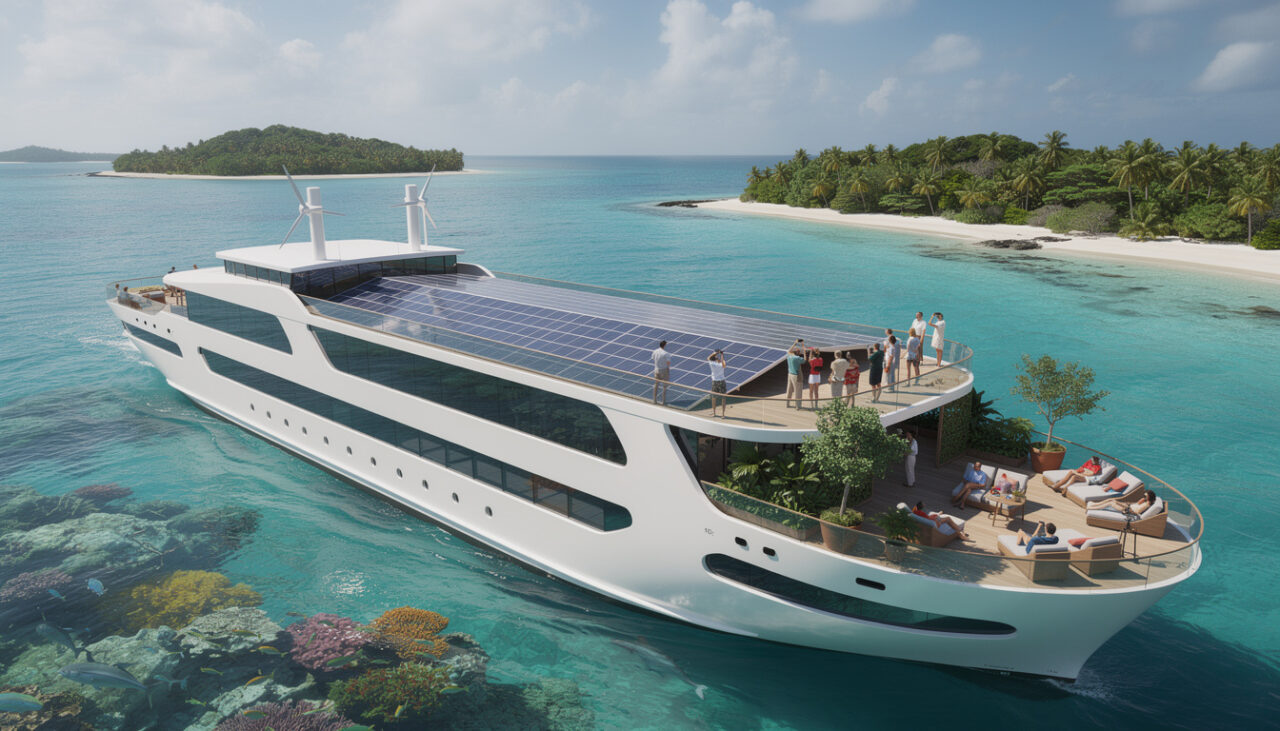
Eco-friendly cruises in the Caribbean are rewriting the story of ocean travel, replacing smokestacks and excess with low emissions engineering, marine conservation projects, and slow, sensory-rich journeys through turquoise water. Travelers who once hesitated at the environmental cost of cruising are now finding green cruises that run on cleaner fuels, harness renewable energy, and support coral restoration in bays where sea turtles glide under the hull. The Caribbean has become a real-time laboratory for sustainable travel, where new ships experiment with hybrid propulsion, zero-waste restaurants, and shore excursions centered on eco-tourism and wildlife protection rather than mass shopping trips.
Behind the scenes, engineers, marine biologists, chefs, and local island communities are collaborating on solutions that feel surprisingly accessible to everyday travelers. A guest might sip fair-trade coffee on deck without realizing the vessel beneath them uses advanced wastewater treatment that returns water to the sea cleaner than it arrived, or that the sunscreen offered at the spa is carefully chosen to protect fragile Caribbean reefs. Eco-friendly cruises in this region no longer ask travelers to choose between comfort and conscience; instead, they invite them to step aboard a floating micro-city where comfort, technology, and care for the ocean constantly interact. For anyone craving tropical sun without leaving a heavy mark on the sea, the Caribbean is quietly becoming a benchmark for what responsible cruising can look like.
Key points about eco-friendly cruises in the Caribbean
- 🌊 Eco-friendly cruises in the Caribbean blend comfort with sustainable travel, using low emissions technologies, advanced wastewater treatment, and smarter routing.
- ⚙️ New “green ships” rely on LNG, hybrid-electric propulsion, shore power, and even renewable energy systems to cut fuel burn and pollution at sea and in port.
- 🥗 Onboard life is evolving: plant-rich menus, plastic-free bars, reef-safe spas, and eco-tourism excursions support local communities and marine conservation.
- 🐢 Wildlife protection is woven into excursions through partnerships with NGOs restoring coral, monitoring turtles, and educating guests about the region’s fragile ecosystems.
- ⛵ Smaller ships and boutique lines deliver more intimate green cruises, with fewer passengers and lighter anchoring systems to protect reefs and seagrass.
- 📊 Travelers can compare cruise lines by looking at fuel type, waste systems, shore power access, and carbon offset policies before choosing a ship.
Eco-Friendly Caribbean Cruise Ships: Technology Behind Greener Seas
Eco-friendly cruises in the Caribbean start with the ship itself. These vessels are no longer just floating resorts; they are high-tech experiments in how a city on the sea can operate on far fewer resources while still feeling indulgent. Engineers speak of each new build as a reset button: a chance to re-think engines, hull shapes, energy flows, and even how guests move through spaces. The goal stays simple but ambitious—dramatically lower emissions, smarter use of water and waste, and quieter interaction with the marine world that cradles the ship.
Large cruise brands now deploy LNG-powered ships on Caribbean routes, shifting away from heavy fuel oil that once defined the industry’s smoke-filled skyline. Liquefied natural gas doesn’t solve everything, yet it slashes sulfur emissions and cuts CO₂ output per passenger compared with older fleets. On top of that, hybrid-electric propulsion, battery packs, and energy recovery systems recover waste heat from engines and redirect it to power air conditioning or hot water. The Caribbean’s warm climate demands cooling, so every kilowatt saved feels like a silent win for cleaner, low emissions cruising.
Hull design also plays a surprisingly intimate role in sustainability. Some of the most advanced Caribbean-focused ships use air lubrication: a carpet of bubbles released along the hull that reduces friction with the water. Less drag equals less fuel, which directly supports the core promise of green cruises. Guests rarely notice this technology at work, but they do notice the calmer ride and the sense that they are gliding rather than ploughing through the sea.
Water systems are undergoing the same quiet revolution. The newest eco-friendly ships serving the Caribbean treat wastewater to near-potable standards through multi-stage purification that includes biological, mechanical, and UV steps. The result is clear, clean discharge compatible with strict marine regulations. Potable water often comes from onboard desalination, which has become more energy-efficient thanks to heat recovery and smart pumps. Every shower, every pool splash under the Caribbean sun, sits atop a complex web of conservation choices made behind the scenes.
Energy efficiency extends above deck as well. LED lighting, smart thermostats in cabins, motion sensors in corridors, and coated glass that reduces heat gain all add up. A single balcony cabin might use half the electricity it did a decade ago, while guests still enjoy chilled rooms and bright spaces. Solar panels on some ships—often installed over sports courts or on top decks—add a touch of renewable energy, powering small loads such as lighting, elevators, or navigation systems. No one claims these panels run the whole ship, yet they demonstrate a directional shift that aligns with the broader movement toward cleaner Caribbean cruising.
Real change often unfolds in small, specific stories. Consider “Azure Horizon,” a fictional yet typical modern Caribbean ship that combines LNG engines with battery packs. When approaching a sensitive bay known for dolphins and manatees, Azure Horizon switches to battery-assisted operation, slowing down and reducing vibration. Marine mammals respond to quieter engines, and guests notice more wildlife alongside the ship. That single maneuver weaves together wildlife protection, guest experience, and technology-driven sustainability.
These advances wouldn’t matter without reliable data. Ships now bristle with sensors monitoring fuel use, water production, and waste generation in real time. Officers can see exactly how tweaks in speed, route choice, or HVAC settings impact the ship’s footprint. Some lines share simplified dashboard data with guests, making environmental performance part of the onboard storytelling. When travelers see carbon figures drop because the ship slowed overnight or plugged into shore power at a Caribbean port, sustainability stops feeling abstract and starts feeling personal.
As propulsion, water, and energy systems evolve together, eco-friendly cruises in the Caribbean gain credibility. Technology no longer hides at the bottom of an engineering report; it becomes the backbone of every promise made to guests who choose sustainable travel over outdated excess. The ship itself turns into the first, and strongest, proof that comfort and responsibility can sail in the same direction.
Low Emissions, Shore Power, and Smarter Routes in the Caribbean
Beyond engines and hulls, route planning and port behavior define how green a Caribbean voyage can become. A ship that sprints between islands at high speed burns disproportionately more fuel than one that glides on optimized schedules. Captain briefings now often include a sustainability dimension: finding the “sweet spot” where speed, current, and weather align to keep arrival times without wasting energy. On a typical seven-day island loop, shaving a knot or two from average speed can cut fuel use significantly while barely changing the guest experience.
Ports across the region are stepping up too. Several Caribbean harbors now offer shore power or are actively building it, allowing ships to shut down engines and plug into cleaner electricity while docked. For residents who once lived with a constant low rumble and haze of exhaust, this shift feels transformative. Cruisers strolling the waterfront notice clearer views, quieter evenings, and a sense that the ship is part of a shared urban landscape rather than an alien intruder anchored offshore.
Technology alone cannot deliver fully eco-friendly cruises in the Caribbean, yet it lays the groundwork. When LNG, shore power, route optimization, and real-time monitoring work hand in hand, green cruises stop being a marketing slogan and start becoming a measurable reality. That technical backbone sets the stage for everything else—from dining to excursions—that shapes the emotional side of sustainable travel.
Onboard Sustainable Lifestyle: Dining, Wellness, and Plastic-Free Comfort
Eco-friendly cruises in the Caribbean don’t just rely on hardware; they transform how life unfolds onboard. Guests wake to Caribbean light streaming through large windows, order breakfast made with regional produce, and walk along decks free from the clutter of disposable cups and flyers. The ship becomes a curated experience where every seemingly small choice has been redesigned to reduce waste, support local communities, and nurture a deeper connection to sea and sky.
Dining often sets the tone. Today’s green cruises embrace plant-rich menus that celebrate mango, papaya, callaloo, cassava, and line-caught Caribbean fish rather than importing everything from afar. Buffets have shifted from mountains of excess to smaller, more frequently refreshed displays, guided by real-time tracking of what guests actually eat. The change doesn’t feel like sacrifice; it feels like a chef-led exploration of place. Vegan and vegetarian options no longer hide in a corner. They anchor menus with dishes like coconut-lime curry, roasted plantain bowls, or jackfruit tacos that appeal across dietary lines.
Waste reduction quietly continues behind the galley doors. Food scraps head to biodigesters or dehydrators, glass meets compactors, aluminum gets baled, and cardboard finds its way into recycling. Some ships even generate energy from organic waste, feeding it back into the grid that powers lights and laundry. For travelers who care about sustainable travel, there is comfort in knowing that the artistry on the plate doesn’t end with a trash bag headed ashore.
Beverage culture has changed as well. Guests now encounter refillable glass bottles in their cabins, water refill stations scattered across decks, and handsome aluminum tumblers at pool bars. Cocktail menus highlight Caribbean rums from small producers who practice responsible sourcing, and paper straws or no straws at all have become the default. That once-ubiquitous plastic straw floating in a wave pool feels like a relic from another era. Every sip becomes an understated nod toward lower plastic footprints at sea.
Wellness spaces have joined the shift. Spas on eco-friendly Caribbean cruises curate product lines that avoid oxybenzone and octinoxate—chemicals linked to coral bleaching—replacing them with reef-safe sunscreens and natural body oils. Massage protocols sometimes incorporate local ingredients like coconut oil, sugar scrubs, or volcanic stones sourced respectfully from nearby islands. Guests heading to the sundeck receive quiet reminders about sun protection that cares for both skin and reef, intertwining personal health with marine conservation.
Retail areas support the same philosophy. Boutiques now spotlight ethically made resort wear, bamboo-fiber loungewear, and swimwear woven from recycled plastics. Shelves display jewelry crafted by Caribbean artisans whose work directly funds schooling or reef restoration, turning shopping into a chance to leave a positive trace. Instead of generic port-logo trinkets, travelers bring home objects with stories rooted in place.
Plastic reduction has become a rallying point across many lines. Single-use water bottles, cocktail stirrers, and individual toiletry bottles are disappearing. In their place: full-size dispensers in cabins, digital programs replacing printed brochures, and reusable room keys made from bamboo or recycled materials. A guest might barely register each detail on its own, yet the cumulative impact becomes visible in cleaner decks, tidier waste rooms, and a lighter environmental footprint.
Even entertainment is being reimagined with sustainability in mind. Some ships schedule “lights-down” evenings where exterior lighting is reduced while sailing through zones frequented by migratory birds or nesting turtles. Stargazing sessions replace some of the visual noise, turning the Caribbean sky into a stage. Guests go to bed with the Milky Way in their memories instead of only LED glare, and nocturnal species receive a gentler passage overhead.
All these elements—food, drinks, wellness rituals, shopping, and entertainment—create a tapestry where eco-friendly choices feel natural, stylish, and pleasurable. That emotional resonance matters. When sustainable habits feel luxurious rather than restrictive, travelers carry pieces of that lifestyle back home, turning a single Caribbean cruise into a lasting change in how they think about their footprint on land and sea.
Practical Tips for Choosing a Sustainable Onboard Experience
Travelers looking for genuinely eco-friendly cruises in the Caribbean can decode a ship’s onboard culture with a few quick checks. Does the line publish details about waste reduction or carbon offset efforts on its website? Are refillable water stations clearly marked on deck plans? Do menus cite local fishermen or farms by name? These clues reveal how deeply sustainability is woven into the experience rather than tacked on as an afterthought.
Guests can also ask crew members simple, friendly questions: where does the ship’s drinking water come from, or what happens to leftover food? Crew often light up when sharing these behind-the-scenes stories, because they see directly how much effort goes into running a responsible ship. Those conversations turn sustainability from a distant corporate statement into a human-scale narrative told by the people who wake early to keep the vessel humming through Caribbean waters.
Eco-Tourism Shore Excursions: Caribbean Islands with a Conscience
For many travelers, the real magic of eco-friendly cruises in the Caribbean happens the moment the gangway drops. Stepping onto an island, travelers move from the controlled ecosystem of the ship into living communities shaped by hurricanes, coral bleaching, fishing traditions, and cultural resilience. Shore excursions are where the promises made onboard either come alive or fall flat. Green cruises that take sustainability seriously now treat each port call as a chance to practice eco-tourism that respects both locals and landscapes.
Traditional excursions once prioritized speed: see as many sights as possible, shop at big-box souvenir stops, and rush back to the ship. The new wave of sustainable travel in the Caribbean favors depth over breadth. Guests might spend a morning with guides from a local marine NGO, planting coral fragments on a damaged reef or helping monitor seagrass beds that shelter juvenile fish. These projects aren’t performative; they feed into multi-year programs backed by cruise line funding and scientific coaching. Travelers finish the day with salt on their skin and a direct sense of how marine conservation actually works.
Wildlife-focused tours are evolving too. Instead of feeding rays or chasing pods of dolphins at high speed, eco-certified operators keep respectful distances, cap group sizes, and limit engine use in sensitive zones. They explain how boat noise affects communication between whales or how turtle nesting beaches must be kept dark at night. Kids on these trips soak up lessons without realizing they’re in a moving classroom. Parents witness a more grounded form of wildlife protection, where photographs come second to quiet observation.
On land, hiking and cultural trips offer similar shifts. Guides in Dominica might lead small groups through rainforest trails while pointing out medicinal plants and traditional uses passed down over generations. Farmers in Saint Lucia invite visitors to pick cocoa pods, taste raw beans, and learn how climate change reshapes harvest cycles. These excursions create direct financial incentives for preserving forests, mangroves, and small-scale agriculture rather than clearing land for short-term gain.
A fictional couple, Maya and Daniel, offer a useful lens here. They choose a seven-night eco-friendly Caribbean cruise because they crave warmth without guilt. In Barbados, they skip the crowded beach club trip and sign up fpr a day with a turtle rescue organization. They help clean a small stretch of sand littered after a recent storm, learn to identify hatchling tracks, and assist with gentle tagging of adult turtles under supervision. Back onboard that evening, they scroll through photos not of cocktails at a loud bar but of a green turtle disappearing into clear surf. Their most treasured souvenir is the knowledge that hatchlings from that beach might still be alive in ten years, because someone cared enough to protect them.
Energy use on shore excursions deserves attention as well. Many green cruises now highlight tours that travel by kayak, sailboat, e-bike, or on foot rather than fossil-fuel-heavy buses. Paddling through a mangrove channel at sunrise brings travelers within arm’s length of juvenile fish, herons, and crabs, creating emotional bonds with ecosystems that store immense amounts of blue carbon. When guests experience the hush of a paddle instead of the roar of an engine, the value of quiet, low emissions exploration speaks for itself.
Responsible operators also coordinate schedules to avoid overwhelming small communities. Staggered arrivals, group caps, and long-term partnerships with local co-ops prevent the boom-and-bust cycle that can hollow out port towns. Money from shore excursions stays in the Caribbean rather than flowing out through distant intermediaries, helping finance better waste management, renewable power projects, and coastal defenses that protect both people and reefs from storms.
Everything circles back to choice. Eco-friendly cruisers who scan excursion lists with care quickly see which ones align with their values. Any description that mentions conservation projects, local ownership, small groups, or cultural immersion tends to move the trip from passive sightseeing toward active stewardship. When enough guests choose those options, cruise lines respond by offering more of them, creating a powerful feedback loop that reshapes the future of Caribbean tourism.
Checklist: How to Spot Genuine Eco-Tourism Excursions 🌱
Not every “green” excursion delivers on its promise, so a quick mental checklist helps. Look for tours that:
- 🌴 Are led by locally owned operators or community cooperatives.
- 🐠 Include an educational component about reefs, mangroves, or cultural history.
- 🚣 Use low-impact transport such as kayaks, sailboats, or hiking rather than large buses.
- 🌎 Mention clear contributions to marine conservation or local projects, not just generic donations.
- 👥 Limit group size and practice respectful wildlife viewing rules.
- ♻️ Avoid disposable plastics and encourage guests to bring reusable bottles or bags.
These simple markers help travelers filter out experiences that merely borrow green language from those that genuinely support sustainable travel across the Caribbean’s islands and waterways.
Smaller Ships, Boutique Lines, and Low-Impact Caribbean Routes
While big newbuilds dominate headlines, some of the most intriguing eco-friendly cruises in the Caribbean happen on smaller ships and expedition-style vessels. These ships often carry a fraction of the passengers of a mega-liner, allowing them to slip into narrow channels, anchor off less-visited coves, and operate with a lighter physical and visual presence. Their business model leans away from quantity—thousands of guests at a time—and toward depth of experience, where each stop becomes a chapter rather than a tick box.
An intimate, 200-guest vessel sailing a loop through the Grenadines, for instance, might spend an entire day anchored off a single island. Guests rotate among snorkeling, guided hikes, beach cleanups, and lazy hours in hammocks under almond trees. The slower rhythm reduces fuel use because the ship spends more time at rest and less time racing between ports. This pacing also eases pressure on fragile destinations, allowing local ecosystems and communities to breathe between visits.
Many boutique lines invest heavily in alternative anchoring systems. Rather than dropping heavy chains that can crush seagrass or scar coral, they rely on mooring buoys installed in consultation with marine biologists. These buoys distribute weight more gently and keep hulls from swinging across sensitive habitats. For guests, the system is invisible; for parrotfish and seahorses living below the keel, it can mean the difference between a safe meadow and a shredded one.
Educational programming tends to be stronger on smaller ships as well. Marine biologists, conservation photographers, or local historians often join segments of Caribbean itineraries, offering talks and field guidance. Lounge areas host informal sessions on everything from coral spawning events to the ethics of dolphin encounters. Instead of filling evenings solely with large-scale shows, these lines blend entertainment with learning, creating coastal journeys that leave guests both relaxed and informed.
The flexibility of smaller ships also opens doors to unconventional ports. Rather than repeating the same sequence of major Caribbean cities, some routes visit protected marine parks, remote villages accessible only by tender, or islands that have embraced regenerative tourism. This diversification spreads tourism revenue beyond a handful of heavily trafficked hubs, giving more communities a stake in preserving marine and coastal resources.
Pricing often sparks debate. Boutique eco-friendly cruises can cost more per night than mass-market options, raising questions about accessibility. Yet when guests compare what is included—higher staff-to-guest ratios, specialized guides, smaller group excursions, and more funds dedicated to replacement of aging equipment with efficient systems—the value proposition becomes clearer. These itineraries don’t just sell a cabin; they sell a philosophy of gentle presence in the Caribbean, with costs aligned to that ambition.
To help travelers see the distinctions, it helps to compare ship styles side by side. The following table offers a snapshot of how different cruise formats typically approach sustainability on Caribbean routes:
| Ship Type ⚓ | Typical Passenger Count 👥 | Environmental Features 🌿 | Experience Style 🌞 |
|---|---|---|---|
| Mega Ship (New LNG) | 3,000–6,000 | LNG engines, advanced wastewater treatment, partial renewable energy, shore power where available 😃 | Resort-like, many venues, mix of mass-market and eco options |
| Mid-Size Green Cruise Ship | 1,000–2,500 | Hybrid propulsion, extensive recycling, strong plastic reduction programs ✅ | Balance of amenities and learning-focused activities |
| Boutique / Expedition Vessel | 100–500 | Low-impact anchoring, small-group landings, emphasis on wildlife protection and eco-tourism 🐢 | Immersive, slower-paced, education-rich experiences |
This comparison doesn’t crown a single winner. Instead, it highlights how different formats can support sustainable travel in distinct ways. A mega ship might lead on cutting-edge engine tech, while a boutique vessel excels at light-touch visits to sensitive bays. The common thread is intention: a commitment to aligning Caribbean itineraries with the carrying capacity of the sea and shorelines they touch.
For travelers, choosing low-impact routes means paying attention to more than just departure dates and price. Checking how many sea days versus port days a cruise offers, how far apart ports lie, and whether itineraries concentrate on smaller geographic clusters can reveal much about expected fuel use. Routes that trace gentle arcs through island groups rather than zigzagging across the region tend to use less energy, keep time pressure low, and leave more room for spontaneous encounters with dolphins, frigatebirds, or sudden rainbows after a passing shower.
When green cruises in the Caribbean embrace smaller scales—whether through ship size, group size, or geographic focus—they open a path to travel that feels slower, richer, and kinder to the watery world below the keel. That shift in tempo may be one of the most profound contributions eco-friendly cruising can offer to the future of marine tourism.
How Travelers Can Support Carbon-Conscious, Eco-Friendly Caribbean Cruises
Even the most advanced eco-friendly cruise ship still has a footprint, which means traveler choices matter. Guests are not passive passengers; they act as co-authors of the experience, shaping how sustainable travel in the Caribbean evolves over the coming years. From booking decisions to onboard habits, every step offers a chance to reinforce the industry’s shift toward responsibility.
The first decision happens long before anyone steps onto a gangway: choosing which cruise line, ship, and itinerary to support. Environmentally aware travelers increasingly study sustainability reports, checking for concrete measures rather than vague promises. Clear metrics—percentage reductions in fuel use per passenger, investments in renewable energy systems, partnerships with NGOs working on marine conservation—offer far more reassurance than glossy taglines. A line that publishes its progress, acknowledges remaining challenges, and sets time-bound goals often indicates an authentic commitment to green cruises.
Booking policies around carbon offset programs deserve special attention. Some companies offer opt-in schemes that direct funds toward reforestation, mangrove restoration, or clean energy projects in regions connected to Caribbean shipping routes. Offsets never replace the need to reduce emissions at the source, but they can help bridge gaps while the industry transitions toward cleaner fuels, hydrogen pilots, and even wind-assisted propulsion in the future. Guests who choose such options send a clear message: environmental stewardship has market value.
Once onboard, a simple, powerful rule of thumb guides sustainable behavior: use the ship as if it were a small island with limited resources. That might mean shorter showers, reusing towels, switching off cabin lights, or resisting the temptation to run balcony doors open with air conditioning blasting. These habits echo the same care taken by residents of small Caribbean islands grappling with water scarcity and high electricity costs. By mirroring local frugality, travelers show respect for the broader region hosting their escape.
Waste choices also matter. Bringing a reusable bottle, coffee cup, and small tote bag can dramatically reduce personal plastic consumption across a week-long voyage. Saying no to souvenirs that rely on coral, shells, or reef-derived materials supports wildlife protection by dampening demand. Participating in onboard or shoreside cleanups helps intercept trash before it fragments into microplastics that haunt Caribbean currents for decades.
Engagement with learning opportunities strengthens these efforts. Attending a short talk on coral bleaching, volunteering for a citizen science project, or asking guides thoughtful questions about their community’s challenges builds empathy. Those conversations travel home in memory and sometimes spark lifetime changes in how guests vote, donate, or shape personal habits. A single sunset talk on deck, led by a marine biologist pointing out bioluminescence in the ship’s wake, can shift how someone views nighttime lights or chemical use in their own backyard.
For travelers eager to integrate sustainability into each part of their journey, a simple planning list can help.
- 🛳️ Choose ships with clear low emissions strategies (LNG, hybrid, shore power, verified reporting).
- 🌍 Opt into reputable carbon offset programs that fund restoration and clean energy tied to coastal or marine projects.
- 🥤 Pack reusables: bottle, cup, cutlery, and small containers to avoid single-use plastics.
- 🐢 Prioritize excursions that emphasize eco-tourism, community partnerships, and wildlife protection.
- 🧴 Use reef-safe sunscreen and personal care products that align with marine conservation goals.
- 📚 Join onboard talks or tours focused on sustainability to deepen understanding and motivation.
Every small habit, multiplied by thousands of guests across peak Caribbean season, adds weight to the scales. The industry notices when guests praise low-impact practices, choose greener cabins or itineraries, and leave positive feedback about conservation-centered excursions. That feedback loops back into future designs, budgets, and partnerships, slowly bending the arc of cruise tourism toward healthier oceans.
Eco-friendly cruises in the Caribbean thrive when technology, policy, and human behavior align. Travelers who seek sunshine and salt air while honoring the sea’s limits act as quiet catalysts, helping steer vast ships—and the entire sector—toward a more balanced relationship with the blue planet.