All-Inclusive Resorts in Turkey: What to Expect
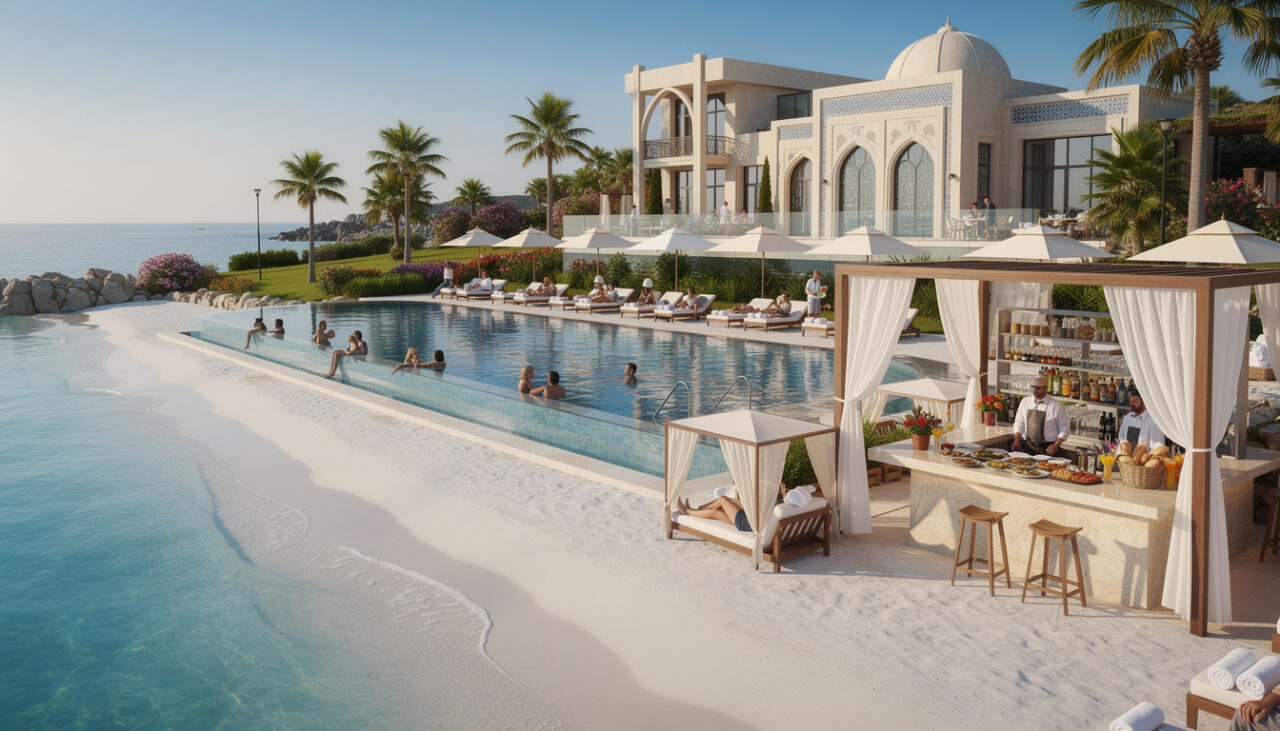
All-inclusive resorts in Turkey promise that rare blend of sun-drenched ease and generous hospitality that keeps travelers returning year after year. From the pine-fringed bays of the Turkish Riviera to sweeping Aegean beaches, these properties are designed for guests who want all meals included, drinks ready before they are even ordered, and entertainment that runs from sunrise yoga to late-night shows. Behind the glossy brochure photos, there is a very real culture of service and ritual around food, wellness, and the sea. Travelers browsing Turkey travel blogs and vacation packages often wonder what actually happens inside these sprawling complexes: How relaxed is the pace? How crowded are the pools? What do days really look like for couples, families, or solo guests?
The reality is more layered than any single marketing image. Some all-inclusive resorts feel like floating villages with multiple à la carte restaurants, water parks, and beach clubs. Others lean into understated luxury, placing as much weight on sleep quality and spa rituals as on buffet variety. Holiday expectations need to be calibrated: yes, there will be buffets and sun loungers, yet there can also be quiet corners, thoughtful design, and pockets of authentic Turkish culture. This guide walks through the textures of resort life, from check-in rituals and room categories to resort amenities, spa circuits, and small details that elevate a holiday from predictable to unforgettable.
Key points about all-inclusive resorts in Turkey 🏖️
- 🇹🇷 All-inclusive resorts in Turkey range from huge family-friendly resorts with water parks to intimate luxury retreats focused on wellness and gastronomy.
- 🍽️ Guests can expect all meals included, snack corners, patisseries, and bars serving local drinks, with upgrades for premium brands and à la carte venues.
- 🏊 Resort amenities often include multiple pools, kids’ clubs, spas, sports facilities, and direct beach access, especially along the Turkish Riviera.
- 👨👩👧👦 Many properties are tailored as family-friendly resorts, while others prioritize adults-only atmospheres and romantic beach holidays.
- 💼 Smart use of vacation packages helps match budget, location, and expectations on crowds, noise levels, and service style.
- 🌅 Guests who plan ahead—choosing the right season, room type, and vibe—tend to see their holiday expectations not just met, but pleasantly exceeded.
What Life Really Feels Like Inside All-Inclusive Resorts in Turkey
Life inside Turkish all-inclusive resorts follows its own unhurried rhythm, shaped by the sun, buffet times, and the sound of distant music drifting from pool stages. A typical day starts early, not because guests are rushing to work, but because the light over the sea is simply too beautiful to sleep through. Some wander straight to breakfast in flip-flops, others head for a quick swim before the crowds arrive. The atmosphere carries that soft background buzz: clinking cutlery, coffee machines hissing, and kids negotiating which pool slide they will conquer next. For many, this immediate access to food, water, and comfort is the core of the experience.
The all-inclusive formula in Turkey tends to be generous. Buffets overflow with fresh tomatoes, cucumbers, olives, cheeses, and eggs cooked any style, all anchored by soft, fragrant bread. Guests who travel frequently through Europe often remark on how abundant Turkish breakfast feels. With all meals included, there is no mental math before ordering another plate or cappuccino; that financial freedom subtly changes the energy. Travelers arriving tired from work-heavy weeks soften faster when they know the wallet can stay in the room safe. That kind of freedom is one of the hidden luxuries of these properties, even in mid-range categories.
As the day warms up, the resort reveals its layered geography. There is always a “main pool” where activities explode into life—water aerobics, DJ sets, foam parties, maybe a volleyball tournament. Those who seek quiet drift toward garden pools, adult-only decks, or more secluded corners of the beach. The diversity of spaces explains why the same property can feel loud to one traveler and peaceful to another. Couples on romantic beach holidays usually learn to claim a favorite spot: a specific cabana, a quiet corner under pine trees, or a balcony that catches the evening breeze.
Midday is when the scale of resort amenities becomes fully visible. Snack bars roll up their shutters, patisseries serve cakes, and the smell of grilled meat and gözleme flatbreads spreads through the paths. Guests returning from excursions—to ancient sites like Perge or boat trips along the Turkish Riviera—drop their bags, jump into the pool, and let the staff handle everything else. The all-inclusive system works best for those who treat the resort as both basecamp and playground: a place where spontaneity is easy because logistics are already solved.
As evening falls, the entire mood changes. Children with sun-lightened hair tumble through mini discos while parents sip rakı or local wine. Stages host dance performances, cover bands, or acrobatics. Guests dress up more than during the day; this is the time when “holiday selves” emerge: relaxed, shiny, moving more slowly. The feeling of being in a little village of travelers, each group with its stories and routines, makes Turkish all-inclusive resorts feel like living microcosms rather than anonymous hotel blocks. That sense of temporary community is what many guests carry home long after the tan fades.
Behind this experience stands a culture of service that prides itself on warmth. Staff remember favorite drinks, playful bartenders throw in juggling tricks, and housekeeping creates towel swans for kids. These details might sound small, yet they constantly reinforce the sense that guests are welcomed as recurring characters, not one-off transactions. For travelers trying Turkey travel for the first time, that combination of effortless abundance and genuine friendliness becomes the benchmark against which other resort stays are measured.
Food, Drinks, and Dining Rituals in Turkish All-Inclusive Resorts
Food stands at the center of Turkish hospitality, and that heritage flows directly into the all-inclusive scene. When travelers book vacation packages promising abundant buffets and open bars, they are stepping into a culture that views feeding guests as both pleasure and responsibility. Breakfast, lunch, and dinner buffets are only the starting line. Many properties add snack corners, gözleme stations, patisseries, and “midnight soup” for night owls. Guests who equate buffets with bland repetition are often surprised by how much variety appears across a week-long stay, especially in resorts that take culinary quality seriously.
At breakfast, color dominates the tables. Bowls of olives, chopped vegetables, honeycombs, tahini, molasses, and fresh cheeses create what feels more like a leisurely brunch than a quick meal. Western staples such as pancakes and cereals are usually present, yet the local touches leave a stronger memory. That morning ritual can become the quiet anchor of the day: parents mapping out pool time and kids’ club, couples debating which à la carte restaurant to reserve, solo travelers scanning excursion boards while sipping strong Turkish tea. In that moment, the fact that all meals are included transforms food from budget concern to daily pleasure.
Lunch often spreads toward the pool or beach. Rather than dressing up and marching back to the main restaurant, many guests prefer casual options: grilled köfte, flatbreads filled with cheese and herbs, salads, and fresh fruit. Staff circulate with trays of drinks or ice cream, adding little flashes of delight—especially for children who start to recognize the timing of the ice-cream cart. These informal rituals shape how people experience time; the day blurs into easy cycles of swim, snack, rest, repeat.
Dinner expresses the full power of the buffet. Alongside international dishes—pasta, roast meats, vegetarian trays—there are often Turkish specialties like stuffed vegetables, stews, pide, and fragrant pilaf. Live cooking stations bring movement and sound: sizzling grills, chefs tossing food in pans, the occasional dramatic flambé. Guests who pay attention can turn dinner into a small culinary discovery tour, tasting different regional dishes each night rather than defaulting to safe international options. That curiosity often becomes a springboard, inspiring future trips to explore more of the country beyond the resort gates.
Apart from buffets, many luxury resorts on the Turkish Riviera create à la carte restaurants that feel like little worlds of their own: a beachside seafood deck with lanterns and waves, a chic rooftop with Mediterranean tasting menus, or a cozy Turkish tavern-style venue where meze arrive in endless plates. Guests usually have a limited number of à la carte dinners included, with extra visits charged. Those evenings often become the emotional high points of a stay: carefully plated dishes, slower service, and that sense of being on a date even in the middle of a huge property.
Drinks follow a similar pattern of abundance with tiers. Local soft drinks, draft beer, simple cocktails, and wines fall under the standard all-inclusive umbrella, while premium spirits and branded champagnes typically cost extra. Guests focused on wellness often appreciate the easy availability of water, herbal teas, and fresh juices. Meanwhile, night owls gravitate toward lobby bars or beach bars that stay open late, turning them into social hubs. Friendships spark at those counters; stories are shared between visitors from different countries, united temporarily by the same bracelet color and shared resort life.
A smart way to approach dining is to treat the resort like a small food city. Rather than trying everything on the first day, travelers who pace themselves and explore different corners—patisserie today, Turkish corner tomorrow, seafood deck another night—unlock the variety built into the concept. That relaxed, exploratory approach aligns perfectly with the core promise of all-inclusive resorts: a holiday where appetite meets abundance without stress.
Seeing how varied buffets and à la carte dinners look in practice helps set realistic yet exciting expectations for anyone planning their next coastal escape.
Choosing the Right All-Inclusive Resort in Turkey for Your Travel Style
With hundreds of properties scattered across Antalya, Belek, Side, Bodrum, and beyond, the biggest challenge in Turkey travel is not whether to pick an all-inclusive stay, but which one aligns with personal preferences. The photos may all feature turquoise pools, yet the vibe can differ wildly: roaring water parks versus meditative spa decks, DJ-heavy nights versus candlelit piano bars. Matching holiday expectations to the right resort style turns a good trip into a genuinely energizing one.
Take the fictional family of Lena and Marco with their two kids, aged six and eleven. For them, family-friendly resorts with kids’ clubs, shallow pools, and slide complexes feel non-negotiable. They look for animation teams, child-friendly buffets, and large family rooms. Noise around the main pool is not a problem; in fact, it signals that their children will find playmates. A couple celebrating an anniversary, on the other hand, tends to appreciate adult-only wings, quieter beaches, and smaller properties where staff quickly recognize returning faces. Same coastline, completely different needs.
Price categories also shape expectations. Budget-friendly properties often emphasize quantity over high-end design, while luxury resorts introduce extras like butler service, à la carte breakfasts, branded toiletries, and sophisticated spa circuits. Travelers booking bundled vacation packages might see only a small cost difference between categories once flights and transfers are included, yet that upgrade can transform the overall feel of the stay. A slightly higher room price that buys better soundproofing or direct sea views can have a disproportionate impact on how restorative the holiday feels.
To compare options clearly, many travelers sketch out their priorities before searching. Some focus on the beach—sand quality, entry slope, and shade options. Others center on wellness, looking for well-equipped gyms, yoga decks, and serious hammam facilities. For culture-curious travelers, proximity to ancient ruins or traditional towns matters more than the number of waterslides. A simple checklist turns the overwhelming variety of all-inclusive resorts into a manageable field of choices.
| Traveler Type 🌍 | Best Resort Match 🏨 | Key Perks ✅ |
|---|---|---|
| Young family 👨👩👧👦 | Family-friendly resorts with water parks | Kids’ clubs, shallow pools, flexible meal times |
| Romantic couple 💑 | Adults-only or quiet boutique all-inclusive | Calm pools, à la carte dinners, spa focus |
| Luxury seeker 💎 | Luxury resorts on the Turkish Riviera | Premium drinks, refined design, private cabanas |
| Activity lover 🏄 | Sports-oriented beachfront resorts | Water sports, tennis, fitness classes |
| Culture explorer 🏺 | Resorts near historical sites | Easy access to tours, shorter transfer times |
Seasonal timing also plays a role. High summer heats up both temperatures and occupancy, meaning more crowded pools but an electric atmosphere. Shoulder months like May, early June, late September, and October often bring softer light, easier restaurant reservations, and milder weather, making them popular with couples and retirees. Those who prize space over constant entertainment usually gravitate toward these quieter periods when resort life breathes at a slower pace.
Smart guests also read between the lines of marketing language. Words like “lively” or “animation-focused” often signal booming music and non-stop activities, while terms such as “serene,” “boutique,” or “wellness-oriented” hint at a calmer environment. Balancing those clues with honest self-awareness—Does daily pool disco sound fun or exhausting?—keeps expectations aligned. Choosing a property whose natural rhythm matches personal energy levels sets the stage for effortless days where everything simply flows.
Key criteria to evaluate before booking an all-inclusive stay in Turkey
Certain decision points consistently shape guest satisfaction. Travelers who walk away glowing usually considered these elements before making a reservation, rather than discovering them late on arrival day.
- 📍 Location and surroundings: beach type, distance from airport, access to towns or archaeological sites.
- 🏊 Pool and beach vibe: loud and social versus calm and spacious, presence of adult-only areas.
- 🍸 All-inclusive concept details: which drinks are included, opening hours of bars and snack points.
- 🧒 Family vs adults focus: children’s activities, age limits, and designated quiet zones.
- 💤 Room comfort: size, soundproofing, bedding quality, blackout curtains.
- 💆 Wellness and activities: spa facilities, fitness classes, watersports, excursions.
Clarifying these factors before booking allows travelers to treat their resort not just as accommodation, but as a temporary lifestyle that matches their ideal version of rest.
Watching firsthand reviews and walkthroughs helps bridge the gap between polished photos and the lived reality of daily resort life.
Family-Friendly Resorts, Kids’ Clubs, and Multigenerational Holidays
For families, Turkish all-inclusive resorts often feel like a secret shortcut to effortless holidays. Parents step off the transfer bus and are handed welcome drinks, children immediately spot pools and slides, and grandparents find shaded corners where they can simply observe the joyful chaos. When family-friendly resorts are designed thoughtfully, each generation receives its own version of rest while still sharing core experiences: meals, shows, sunset walks along the beach.
Kids’ clubs usually act as the engine of daytime happiness. Bright rooms stocked with crafts, games, and bilingual staff become second homes for younger guests. Parents who are initially hesitant to leave their children often find that the kids themselves start requesting club time. Activities like treasure hunts, beach games, and mini talent shows build mini-communities of children from different countries, speaking in a hybrid of languages and gestures. Those friendships, however brief, color kids’ memories of Turkey more than any monument.
Meanwhile, pools and aqua parks take center stage. Shallow children’s sections, multi-colored slides, lazy rivers, and splash zones keep energy flowing all day. Families like Lena and Marco quickly learn to set small rituals: “two slides, one juice, one break in the shade.” With all meals included, they do not negotiate over every snack; instead, boundaries focus on rest and safety. That reduction in financial negotiation lightens the emotional load, letting parents say “yes” more often without worrying about the bill.
Evening entertainment tends to revolve around families as well. Mini discos give shy children a chance to dance with costumed mascots, while parents cheer from nearby tables. Later, stage shows mix humor, acrobatics, and music, creating that balcony-seat feeling without leaving the resort grounds. On nights when kids fade early, room-service snacks or late-night buffets rescue parents who want to share a quiet balcony drink after bedtime.
Multigenerational travel adds a further layer. Grandparents often appreciate the structure of all-inclusive resorts because everything they might need—wheelchair-friendly paths, elevators, rest areas, soft entertainment—sits within easy reach. Families can split up during the day and reunite effortlessly at meal times. Without the need to coordinate reservations or split bills, energy shifts from planning logistics to simply being together.
Of course, the flip side of family focus is noise. Those seeking peaceful naps by the main pool may be disappointed if they underestimate how central children are to the resort’s character. That is why reading reviews and seeking specific mentions of adult-only zones pays off. Resorts that carve out separate wellness or quiet pools create space for parents to alternate between high-energy family time and deeper rest, often transforming what could have been an exhausting trip into a sustainable rhythm of play and recovery.
When all these elements align, Turkish all-inclusive properties become stages where families build shared stories. Splashing in warm water, sneaking extra desserts, watching fireworks over the sea—all those moments combine into a narrative that children retell for years. For many parents, that emotional return eclipses even the practical advantages, making them choose Turkey again when planning their next coastal escape.
Wellness, Relaxation, and Hidden Corners of Luxury in Turkish All-Inclusive Resorts
Beneath the surface of buffets and pool games lies another universe of Turkish resort life: the wellness world. Guests arriving drained from long working months frequently step into hammams, saunas, and treatment rooms and walk out feeling as if someone has pressed a reset button. Luxury resorts on the Turkish Riviera treat wellness not as an add-on, but as a defining pillar of their identity. They create spa complexes that smell of eucalyptus and rosewater, with quiet music, dim lighting, and therapists who have perfected the art of coaxing tension from tired shoulders.
The traditional Turkish bath ritual often becomes the centerpiece of this wellness journey. Guests move from warm marble rooms to hotter steam areas, lying on heated stones while attendants perform time-honored scrubbing and foam rituals. Many first-timers walk in slightly nervous and walk out astonished at how light and new their skin feels. Coupled with gentle massages and body wraps, that experience alone has the power to reframe a whole holiday as a turning point in personal wellbeing.
Wellness does not live only inside treatment rooms. Early mornings by the sea, with soft waves and near-empty beaches, create a natural sanctuary. Some resorts organize yoga or stretching classes on wooden decks overlooking the water, blending physical care with the calming effect of horizon views. Guests who might never attend a fitness class at home increasingly try them while on beach holidays, free from their usual schedules and social roles. These experiments often leave echoes; people return home with a renewed desire to move more, sleep better, and treat their bodies with greater kindness.
Hidden corners of luxury also appear in less showy details. High-quality mattresses and blackout curtains are hardly glamorous on brochures, yet they underpin truly restorative sleep. Quiet, shaded reading nooks away from loudspeakers give introverts their own refuge. Attentive towel service, chilled lemon-scented water pitchers, and staff who discreetly respect silent zones signal to guests that their rest carries genuine value. When these details line up, travelers start speaking of resorts not just as “nice” but as places where they felt deeply restored.
Some properties now blend wellness with light digital detox concepts. Strong Wi-Fi may blanket the lobby and main pool, but spa gardens or adult-only zones are subtly kept less connected, encouraging people to lift their gaze from screens. Guests who expected nothing more than sun and cocktails sometimes discover an unexpected relief in those unplugged hours. They find themselves listening to their own thoughts, noticing the play of light on water, and reconnecting with their travel companions beyond quick snapshots and messages.
All of this shows that Turkish all-inclusive resorts can be much more than machines of entertainment and consumption. When chosen with care, they become temporary sanctuaries where guests rebalance body and mind. Visitors often arrive seeking rest in the blunt sense—sleep, food, sunshine—and leave having reclaimed a deeper, quieter kind of energy that stays with them long after the suitcase is unpacked at home.